

How Beeswax Candles Are Made: From Hive to Home
How Beeswax Candles Are Made: From Hive to Home
Beeswax is the oldest candle material on the planet. Archaeologists have found beeswax candles dating back to ancient Egypt, roughly 5,000 years ago. The Romans burned it in temples. Medieval churches reserved it for sacred ceremonies. For most of human history, if you wanted real candlelight, beeswax was the only answer worth having.
Then paraffin showed up in the 1850s, a byproduct of petroleum refining, and everything changed. Most people today have never even seen a pure beeswax candle, let alone understood what goes into making one.
Once you understand how beeswax candles are actually made, from raw honeycomb all the way to the finished candle, it becomes very difficult to go back to anything else.
Where Beeswax Actually Comes From
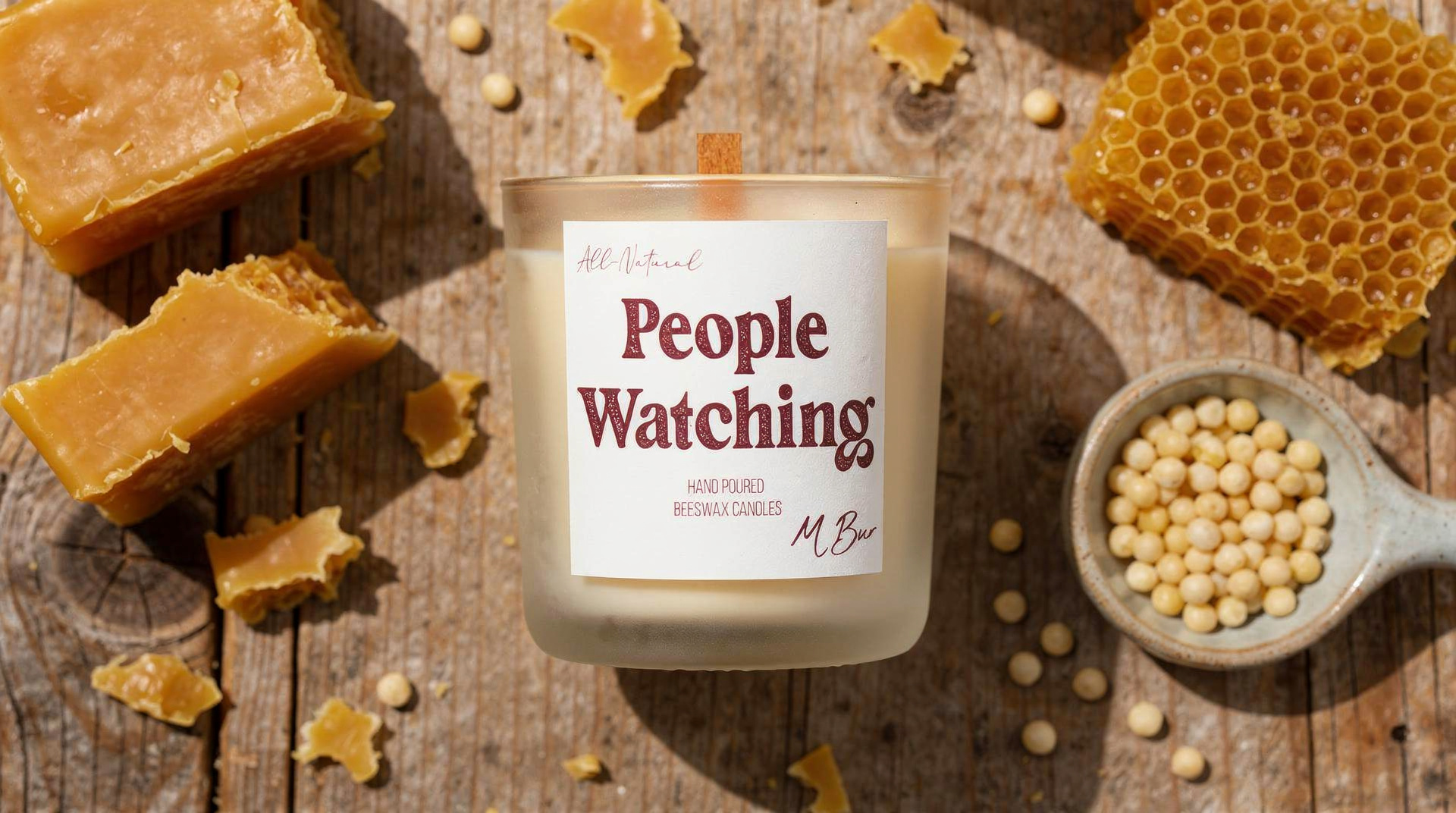
Honeybees produce beeswax through glands on the underside of their abdomens. Worker bees consume honey and secrete wax flakes, then chew and work the wax until it becomes pliable enough to build comb. A single bee produces only about one eighth of a teaspoon of wax in its entire lifetime. To produce one pound of beeswax, bees must consume approximately six to eight pounds of honey.
When beekeepers harvest honey, the honeycomb gets uncapped and the honey extracted. The leftover wax, called raw comb, is what eventually becomes candle wax.
The Cleaning and Filtering Process
Raw beeswax from a hive is dark, sticky, and full of impurities. Bee parts, propolis, pollen, cocoon residue, dirt. The raw wax is melted down and filtered, usually multiple times. Most producers use a combination of gravity filtering through fine mesh and centrifugal methods. Some use solar melting.
What comes out is cosmetic grade or pharmaceutical grade beeswax. The color ranges from pale yellow to deep amber depending on the floral sources the bees worked. Lower grade beeswax, filtered less thoroughly, will produce more soot and uneven results.
Why Beeswax Melting Point Matters More Than You Think
Beeswax has the highest melting point of any candle wax, between 144 and 147 degrees Fahrenheit, compared to paraffin at around 115 to 130 degrees and soy at roughly 115 to 125 degrees. A slower, hotter melt means the wax is consumed more gradually. The result is a burn time that can reach up to 80 hours in a 12oz candle.
The high melting point also means beeswax is more heat stable. It holds its shape in warm rooms and does not pool unevenly around the wick.
Choosing a Wick: The Detail Most Candle Guides Skip
Because beeswax is denser and has a higher melting point, it requires a wick with enough fuel draw to keep the flame consistent. Too thin a wick and the flame drowns in its own wax pool. Too thick and you get an oversized flame, excessive soot, and a candle that burns through too fast.
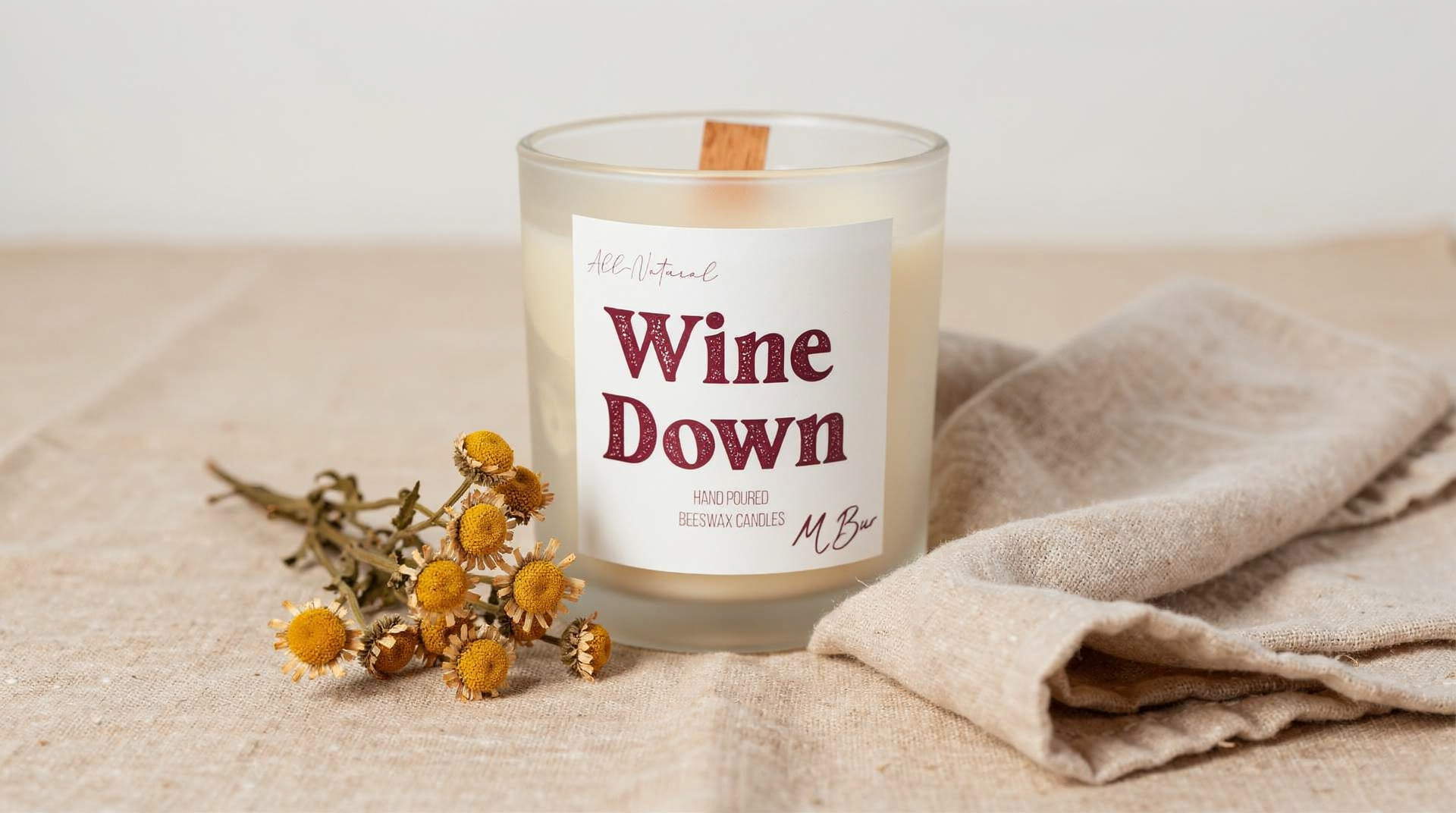
Cotton wicks are the default in most commercial candles. Wooden wicks create a wider, more stable flame profile that suits beeswax particularly well. They also produce the soft crackling sound that most people associate with a fireplace.
Adding Fragrance: Not All Scent Is Created Equal
Pure beeswax has a subtle, naturally sweet scent. But most people want a specific fragrance profile, and that is where the process gets more complicated.
Toxic fragrance is cheap, widely available, and frequently contains phthalates. Non toxic, phthalate free fragrance oils are more expensive and require more careful sourcing, but they produce a clean scent throw without the chemical load. When added to beeswax, the fragrance needs to be introduced at a specific temperature window.
Every MBur candle uses phthalate free fragrance. No chemical dyes either. What you see in the jar is the natural color of filtered beeswax.
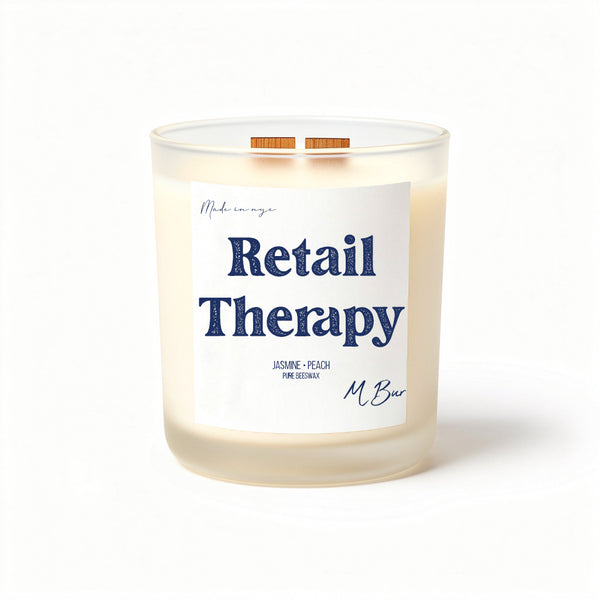
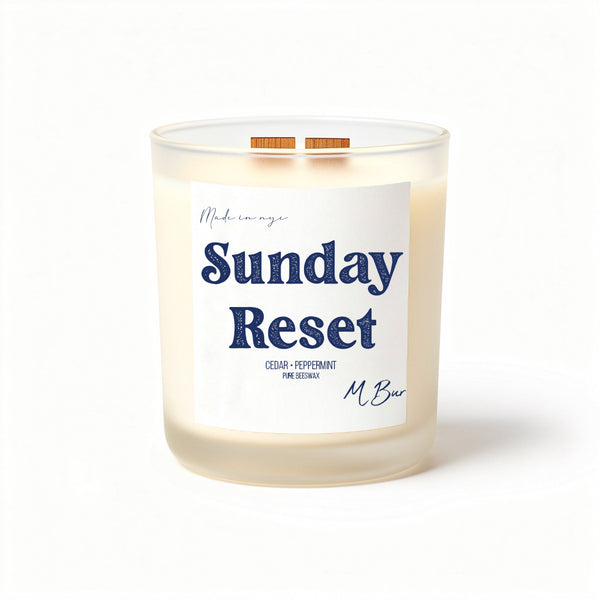
"I absolutely love these candles! I instantly notice the difference in the air quality, in comparison to the Bath and Body scented candles. I love Bath and Body's candles but I acknowledge that it caused a slight headache and other minor respiratory discomfort. Awesome products. Totally addicted." Jason H., Sunday Reset Candle
The Pouring Process: Slower Than You Expect
Beeswax contracts as it cools, which means a single pour almost always results in a sinkhole. Most serious beeswax candle makers do a two stage pour: an initial pour, a waiting period, and then a top up pour to fill the sink and level the surface.
Cooling time also matters. Beeswax should cool slowly and evenly. The candles are then left to cure, which allows the fragrance to fully bond with the wax at a molecular level. A candle poured today and burned tomorrow will not smell as good as the same candle burned after a proper cure period.
What Makes Beeswax Genuinely Different to Burn
Beeswax produces a flame with a light spectrum closer to natural sunlight than any other candle material. It burns cleaner than paraffin, produces significantly less soot, and does not release the volatile organic compounds that paraffin candles are documented to emit.
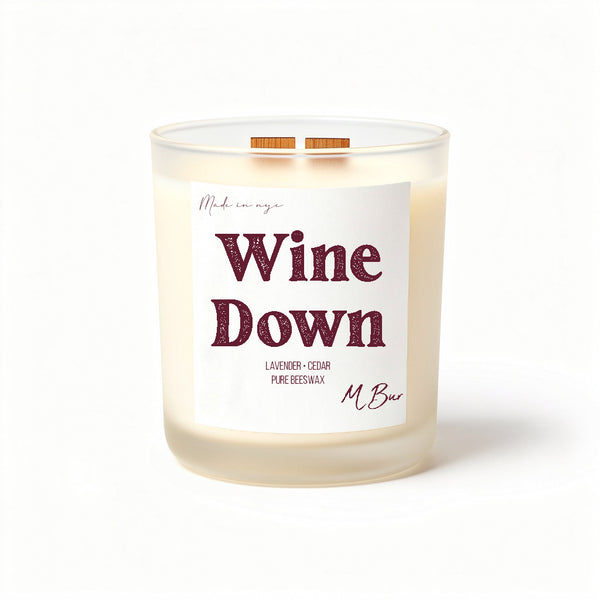
The Wine Down beeswax candle was specifically developed for the kind of extended evening burn where air quality matters most. Lavender, chamomile, sage, cedar, and sandalwood in a phthalate free fragrance blend that fills a room without overwhelming it.
Beeswax and the Beekeeping Ecosystem
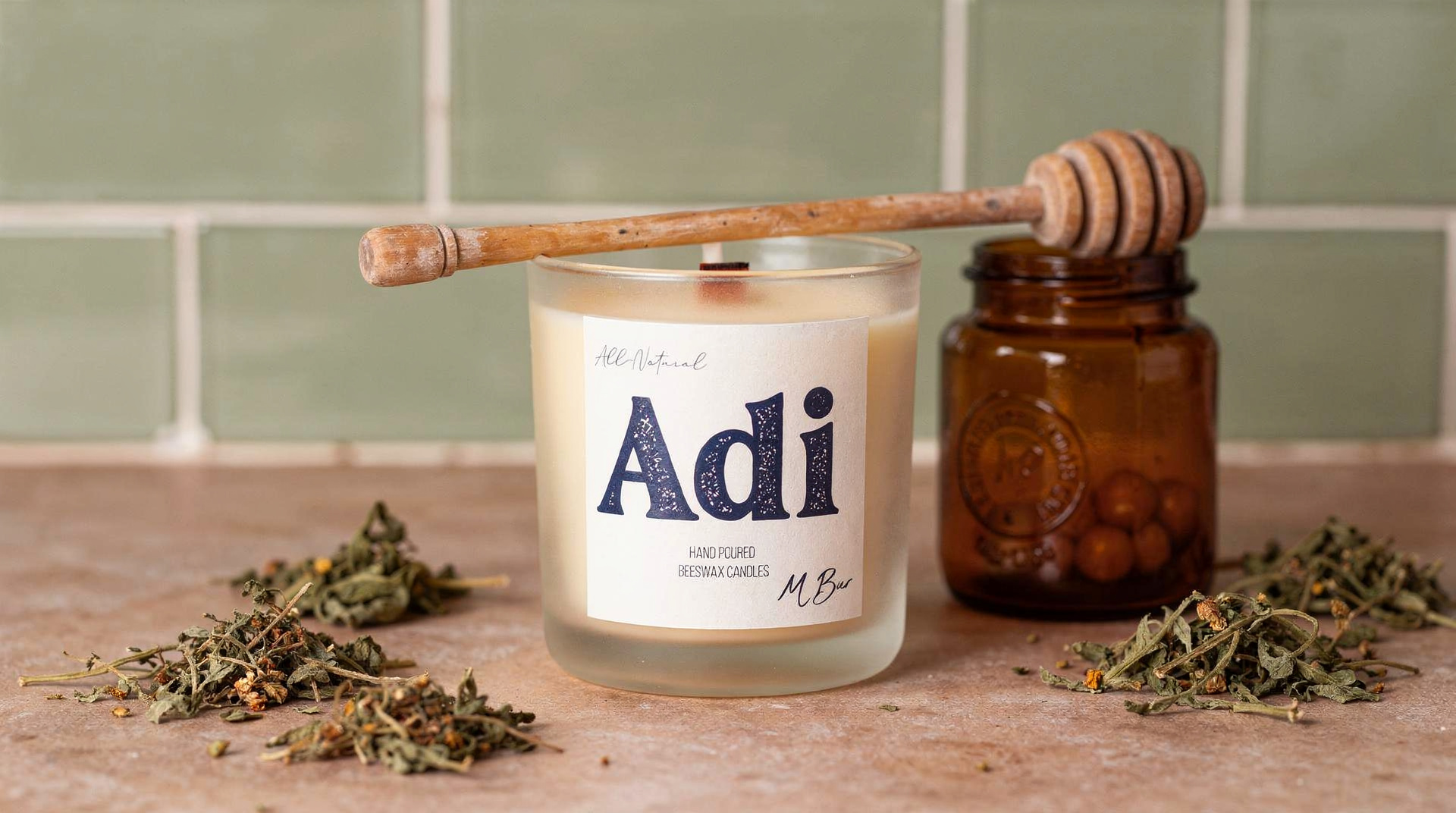
Beeswax is not harvested at the expense of the hive. It is a byproduct of honey production. Buying beeswax candles supports the economic viability of beekeeping operations, which in turn supports pollinator populations that agriculture depends on.
This is a genuinely different supply chain story from soy wax, which is predominantly sourced from large scale monoculture agriculture and is frequently blended with paraffin without disclosure.
The MBur Production Approach
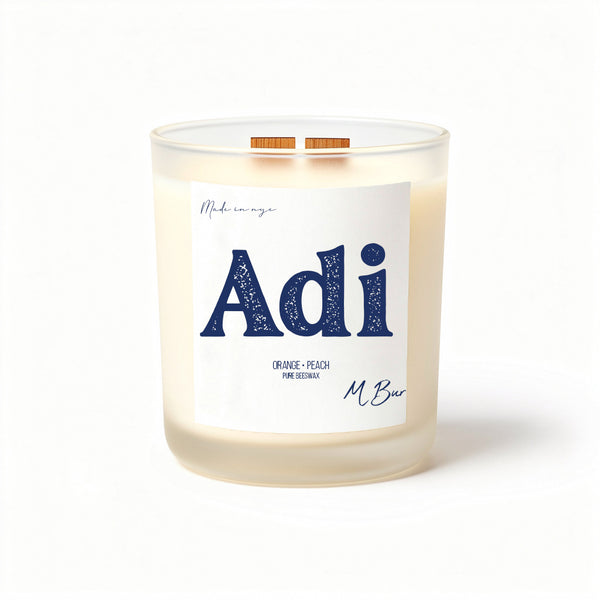
Everything made at MBur Candle Co. is handmade in Queens, NY. Small batch production, two stage pours, proper cure times, and hands on quality checks. The 12oz candle in any scent burns up to 80 hours. The wooden wick is chosen specifically for beeswax compatibility. The fragrance is phthalate free and the wax is 100% pure beeswax.
Frequently Asked Questions
How long do beeswax candles actually burn compared to other candles?
A 12oz beeswax candle burns up to 80 hours. A comparable soy candle typically burns 40 to 60 hours, and paraffin less than that. When you calculate cost per burn hour, beeswax frequently competes with or beats cheaper alternatives.
Is beeswax candle making bad for bees?
No. Beeswax is a byproduct of honey production. The comb is removed during normal harvest, and bees rebuild it naturally.
Why does my beeswax candle have a white coating on the outside?
That is called bloom. It is a natural migration of certain wax compounds to the surface and does not affect burn quality or scent. You can wipe it away with a soft cloth.
Are all beeswax candles made the same way?
Not remotely. Grade of beeswax, wick selection, fragrance sourcing, pour temperature, cure time, and whether the wax is pure or blended all vary significantly. Look for 100% pure beeswax and verify what else is in the candle.
What scents work best in beeswax candles?
Beeswax pairs particularly well with botanical and citrus based fragrances because the natural sweetness of the wax complements rather than competes with those scent profiles.
The Bottom Line
Beeswax candle making is not a shortcut process. When it is done right, the result is a candle that burns longer, cleaner, and more beautifully than anything else on the market. The oldest light source in human history turns out to still be the best one.
Shop the full MBur beeswax candle collection
What buyers say:
Related reading:

