

Does Paraffin Wax Cause Cancer? What the Science Actually Says
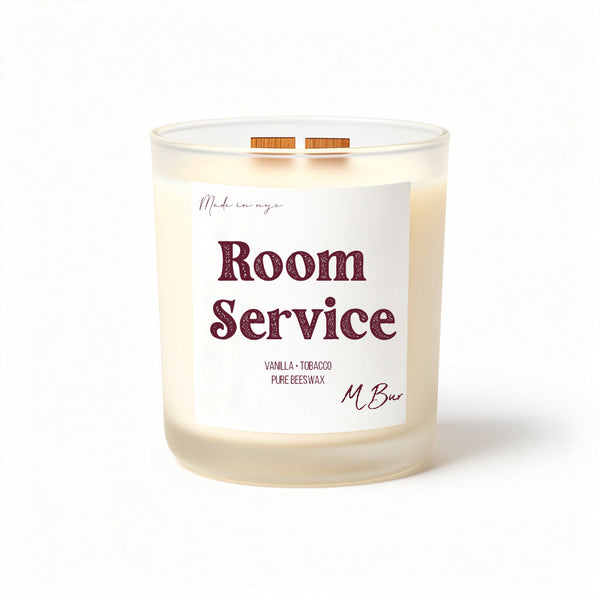
Paraffin is the most common candle wax in the world, so it is understandable that people ask whether burning it could cause cancer. It is a question that deserves a straight, non-alarmist answer rather than either scare tactics or dismissal. The short version is that the evidence does not support the claim that normal candle use causes cancer, but there are real, more modest reasons to think about air quality with paraffin. Here is what the science actually says and what it means for you. We make 100% beeswax candles, and the full collection is here as you read. This is general information, not medical advice.
What paraffin actually is
Paraffin is a wax derived from petroleum, which is the root of a lot of the concern, since it is a fossil-fuel byproduct rather than a natural material. That origin is why paraffin has a worse reputation than waxes like beeswax or soy, and it is a fair reason some people prefer to avoid it. But origin alone does not tell you whether burning it is harmful, which is a separate question that depends on what it releases when it burns and in what amounts.
What the evidence does and does not show
Here is the honest state of things. Burning any candle releases some combustion byproducts, including soot and small amounts of various compounds, and some laboratory studies have measured emissions from paraffin candles and raised questions. But there is no strong evidence that ordinary candle use causes cancer in people, and major health authorities have not established candles as a cancer cause. Much of the alarming framing online overstates limited lab findings. The responsible takeaway is that the cancer claim is not supported for normal use, while air quality is still a reasonable, smaller thing to consider.
The real, more modest concern
The practical issue with paraffin is not cancer, it is soot and air quality. Paraffin tends to produce more soot than cleaner waxes, and that soot, along with fragrance and any smoke, adds particulate to your indoor air. In a small, unventilated room, or with many candles burning often, that can make the air feel heavier and may bother sensitive people, those with asthma or respiratory issues in particular. This is a matter of comfort and air quality rather than a serious disease risk, and it is the thing actually worth managing.
How to reduce soot, whatever wax you choose
Most of the air-quality concern is manageable with simple habits. Keep candles out of drafts, since moving air makes a flame flicker and produce more soot. Trim the wick before each burn so the flame stays low and clean rather than tall and smoky. Ventilate the room so nothing concentrates. And do not burn many candles at once in a small closed space. These steps cut soot substantially with any candle, so even if you burn paraffin, burning it well makes a real difference to your air.
Why cleaner waxes help
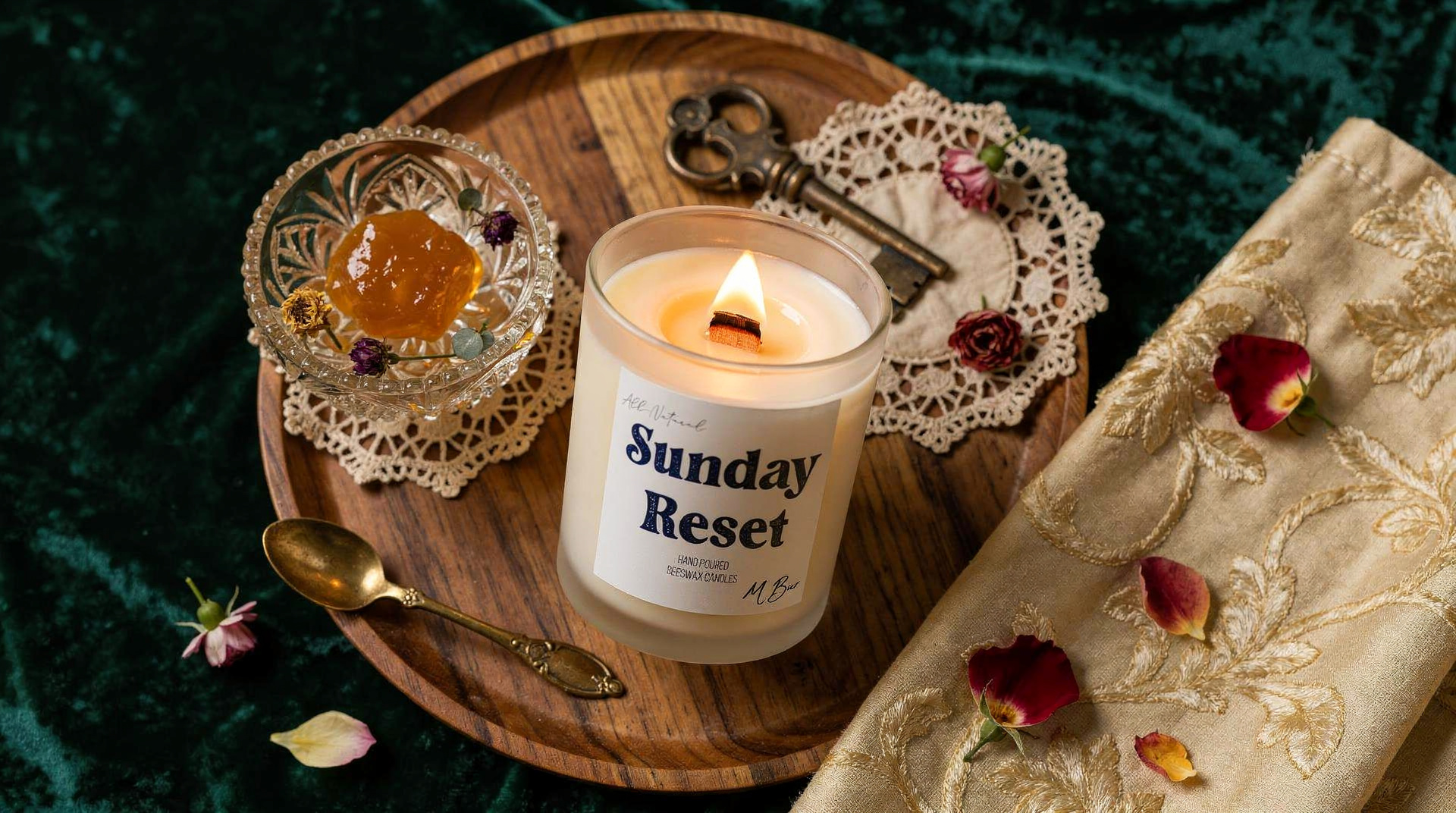
If you would rather reduce soot at the source, the wax is the place to start. Beeswax has the highest melting point of the common candle waxes and burns slowly and cleanly, producing very little soot, and it is a natural material rather than a petroleum byproduct. Soy is also a cleaner-burning plant wax. Switching to a clean wax like beeswax, with a phthalate-free fragrance and a wooden or cotton wick, gives you noticeably less soot without giving up scent or ambiance. For anyone who is sensitive or simply prefers to minimize what they breathe, it is the straightforward choice.
Keeping it in perspective
The sensible way to hold all this is somewhere between panic and dismissal. There is no good evidence that enjoying candles causes cancer, so there is no need for fear. At the same time, paraffin does produce more soot, so if clean air matters to you, cleaner waxes and good habits are a reasonable, easy improvement. You do not have to throw out every paraffin candle you own, but choosing beeswax and burning it well is a simple way to breathe a little easier, on the merits rather than out of worry.
| Question | Honest answer |
|---|---|
| Does paraffin cause cancer? | Not supported for normal candle use |
| Is there any real concern? | Soot and air quality, more modest |
| Who should care most? | Sensitive or respiratory-prone people |
| Easiest improvement | Cleaner wax like beeswax, burn it well |
People who switch to a cleaner wax often notice the difference:
No headache or feeling nauseous like the Bath & Body candles with all the extra chemicals. - Jason H., verified buyer
Common questions
Does paraffin wax cause cancer?
There is no strong evidence that normal candle use causes cancer, and major health authorities have not established candles as a cause, so the alarming claims online overstate limited lab findings. The real, more modest concern with paraffin is soot and air quality. If that matters to you, a cleaner wax like beeswax helps, viewable in the collection.
Is paraffin wax toxic to breathe?
Burning any candle releases some soot and combustion byproducts, and paraffin tends to produce more soot than cleaner waxes, which can bother sensitive people in small, unventilated spaces. It is an air-quality and comfort issue rather than a proven serious health risk. Ventilating, trimming the wick, and choosing a cleaner wax all reduce it.
Is beeswax safer than paraffin?
Beeswax burns more cleanly, with very little soot, and is a natural material rather than a petroleum byproduct, so it is a good choice for reducing soot at the source. That makes it a sensible pick for sensitive people or anyone who prefers to minimize what they breathe, though good burning habits matter with any wax.
The bottom line
The claim that paraffin candles cause cancer is not supported by the evidence for normal use, so there is no need for fear, but paraffin does produce more soot, which is a reasonable air-quality concern. Burn any candle well, with a trimmed wick, good ventilation, and no drafts, and choose a cleaner wax like beeswax if you want less soot at the source.

