
Do Candles Have Phthalates? How to Tell If Yours Are Safe
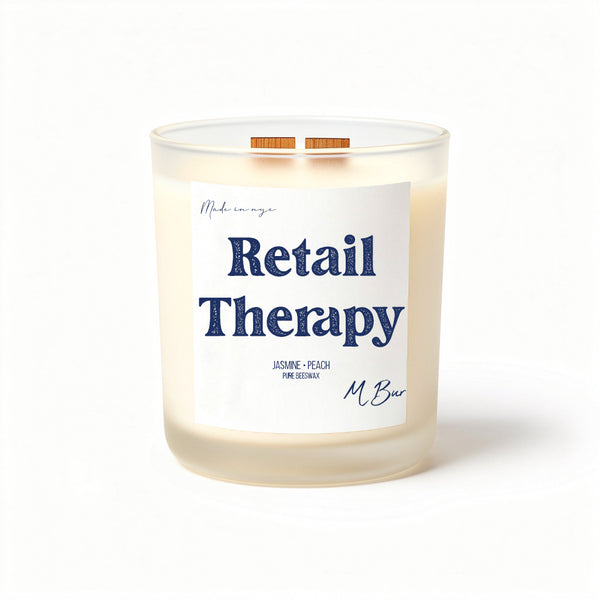
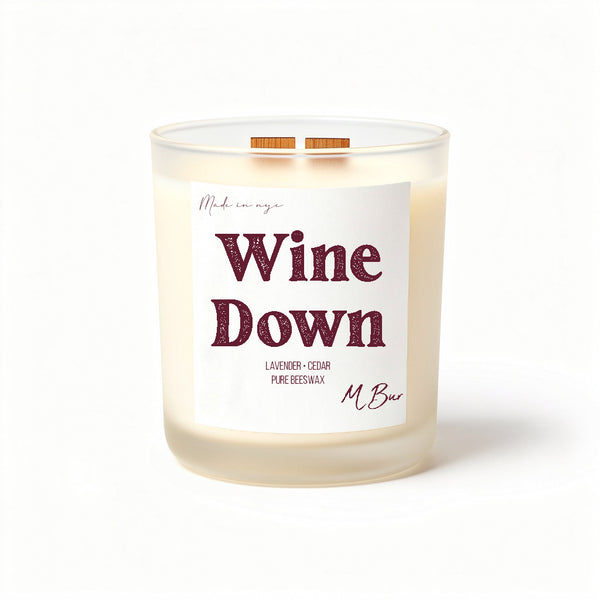
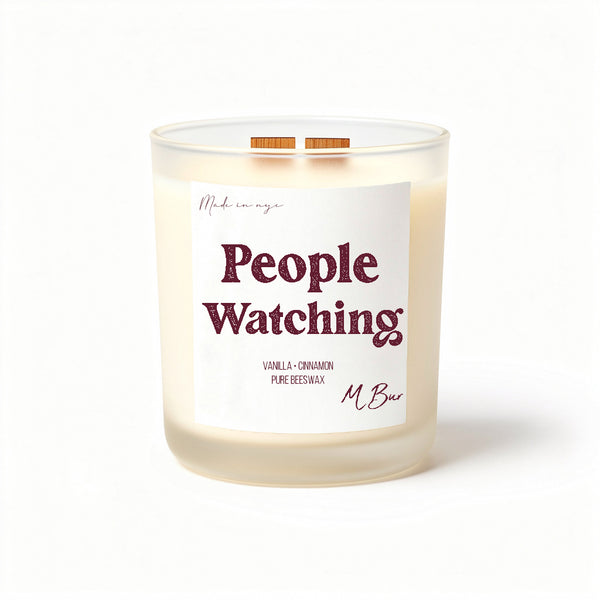
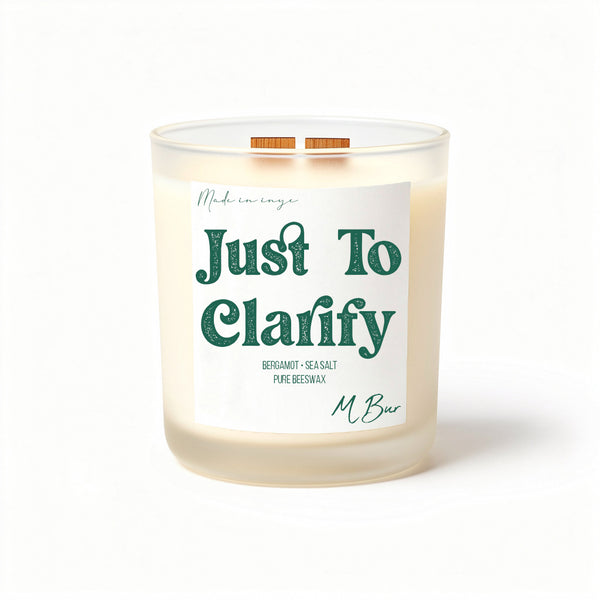
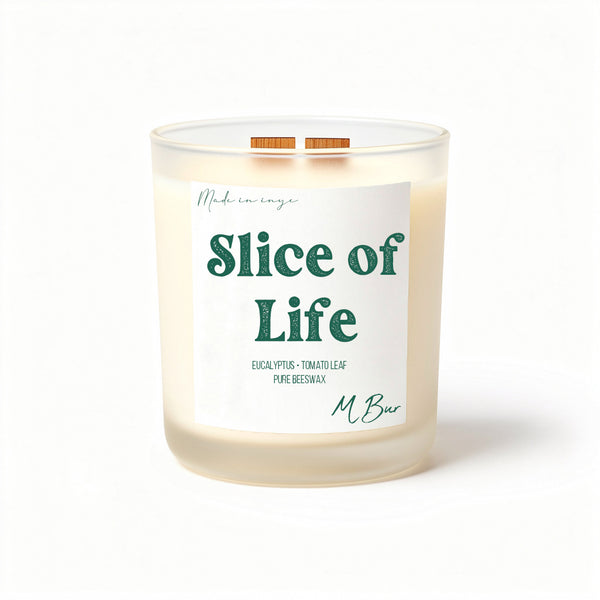
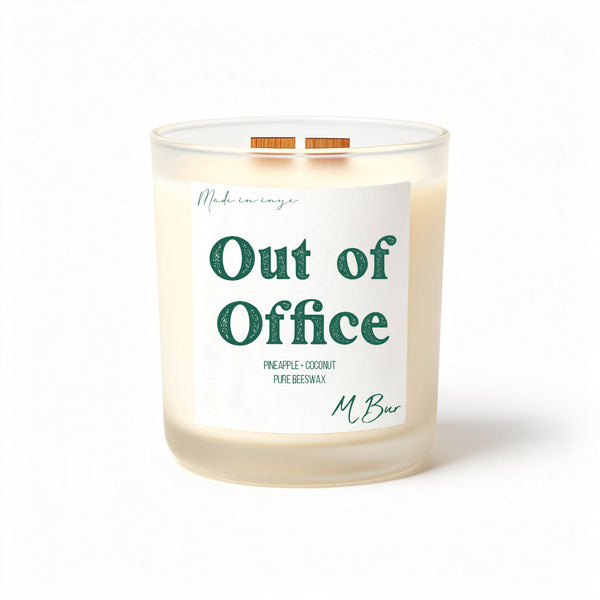
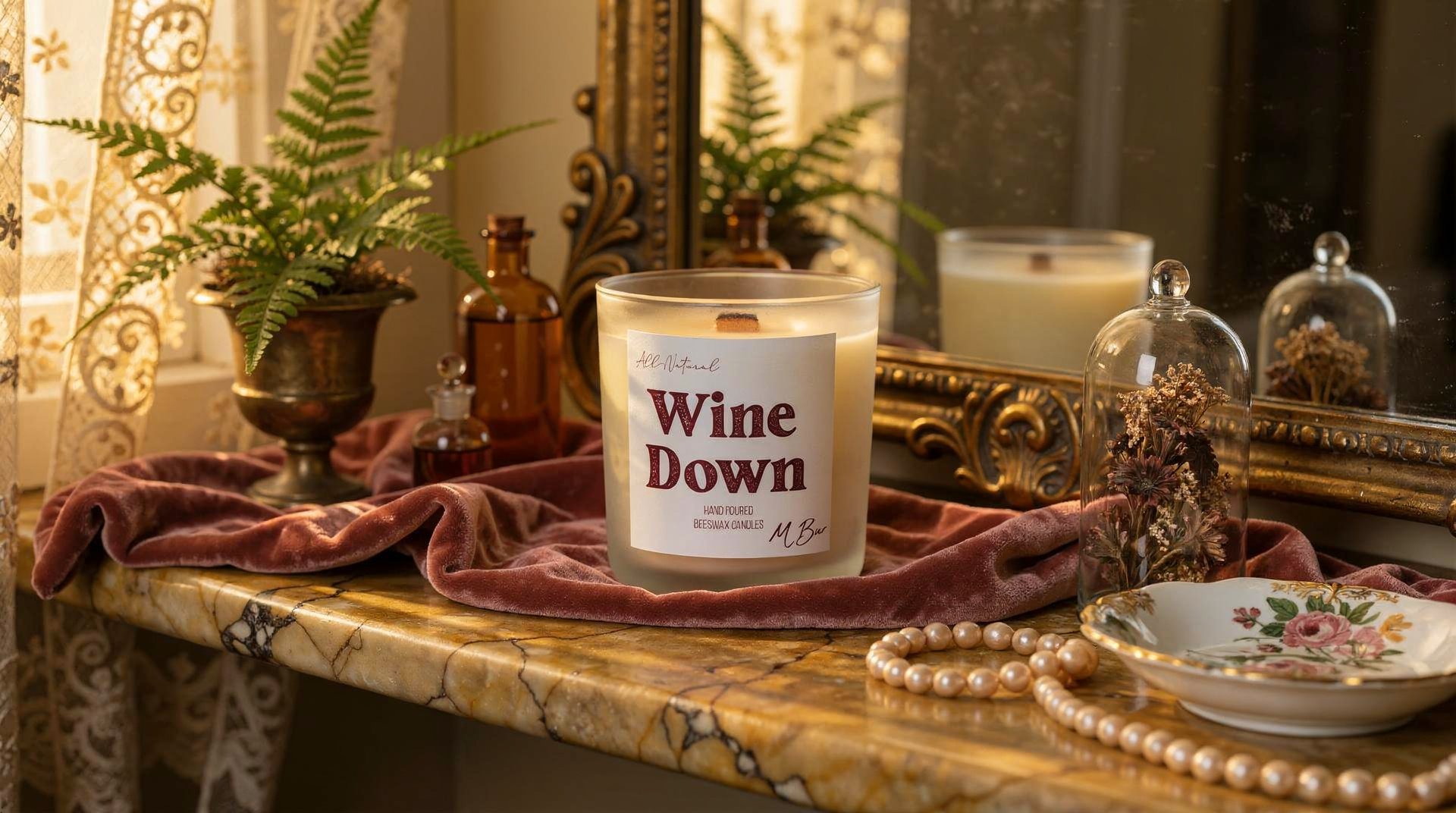
Phthalates are one of the most searched-for concerns in scented candles, and for good reason, they are common, often undisclosed, and largely unregulated in home fragrance. So do candles have phthalates? Many scented candles do, because of how fragrance is made, but plenty do not, and telling the difference is straightforward once you know what to look for. Here is what phthalates are doing in candles and how to tell if yours are clean. We make 100% beeswax candles with phthalate-free fragrance, and the full collection is here as you read.
What phthalates are and why they are in candles
Phthalates are a group of chemicals used in many products, and in fragrance they often serve to make a scent last longer and carry better. Because a scented candle's fragrance is where they would appear, a candle made with a conventional fragrance oil can contain them, frequently without any mention on the label. They are not in the wax itself so much as in the fragrance, which is why the fragrance is the part to scrutinize. That is how a candle ends up with phthalates: through the scent, not the wax.
Why you often cannot tell from the label
Here is the frustrating part. Candle and fragrance labeling is largely unregulated, and fragrance formulas are typically treated as proprietary, so a candle can simply list fragrance without disclosing what is in it. That means phthalates can be present without being named, and the absence of the word on a label does not mean they are absent. This lack of disclosure is exactly why the question comes up so often. You cannot assume a candle is phthalate-free just because it does not mention them, which is why you have to look for a positive statement instead.
How to tell if your candle is phthalate-free
The reliable signal is a clear, positive claim. A brand that has made the effort to use phthalate-free fragrance will say so plainly, since it is a selling point they have no reason to hide. So look for an explicit phthalate-free statement rather than the mere absence of the word. Beyond that, look for a brand that is transparent about its fragrance and wax generally, since openness about one usually means openness about the others. If a candle will not tell you whether its fragrance is phthalate-free, treat that silence as your answer and move on.
The wax is a clue too
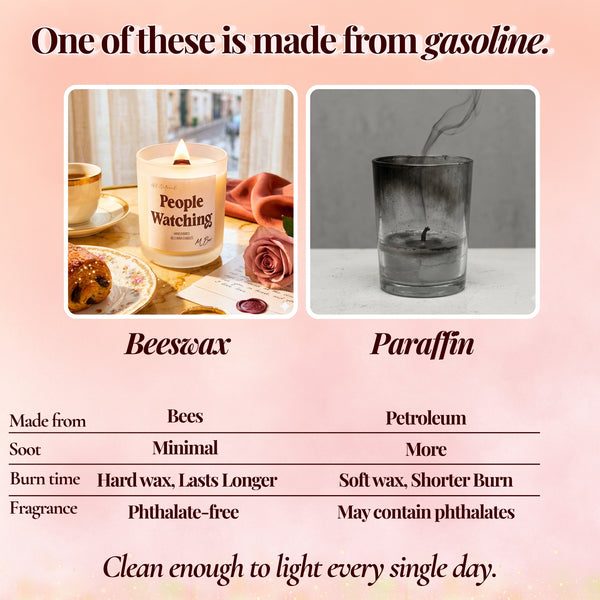
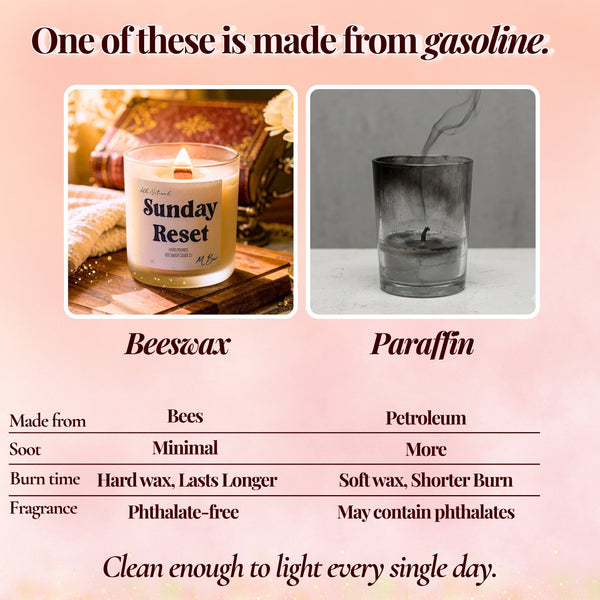
The kind of candle often correlates with how carefully the fragrance was chosen. Mass-market paraffin candles, made to a low price, are more likely to use conventional fragrance oils without much scrutiny of what is in them. Brands built around clean ingredients, like pure beeswax makers, are far more likely to have chosen a phthalate-free fragrance deliberately and to disclose it. The wax is not a guarantee on its own, but a clean-wax brand that is transparent about its fragrance is a much safer bet than a bargain candle that discloses nothing.
What phthalate-free actually gets you
Choosing a phthalate-free candle means the fragrance was made without that particular class of chemicals, which is one clear thing off the list of what you are breathing when you burn it. Combined with a clean wax like beeswax and a cotton or wooden wick, it is part of a genuinely cleaner candle overall. It is worth keeping perspective, a phthalate-free candle is still a scented product releasing fragrance into your air, so ventilation and a clean wax still matter, but removing undisclosed phthalates is a meaningful, concrete improvement.
How to choose a phthalate-free candle
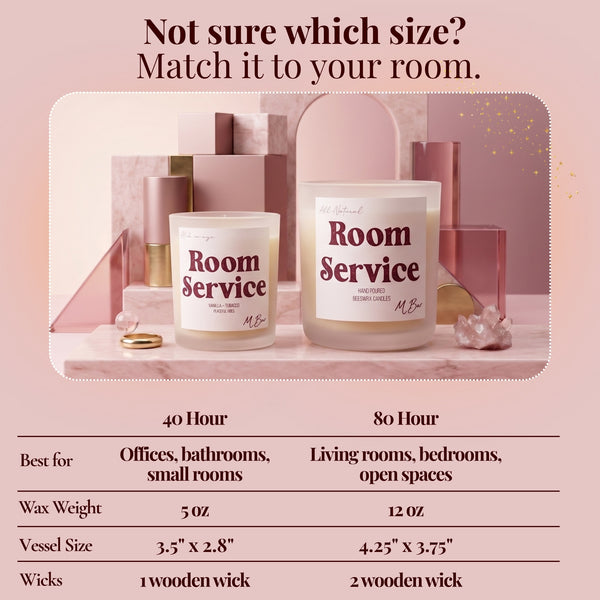
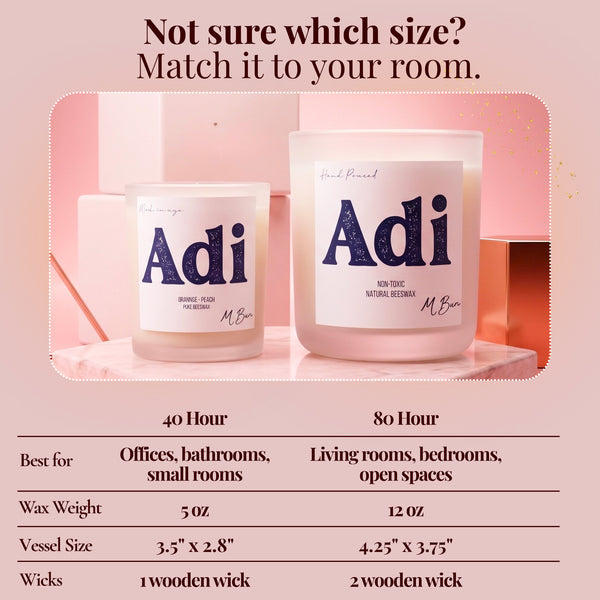
Putting it together, a few checks make it simple. Look for an explicit phthalate-free statement on the fragrance, not just the absence of the word. Favor brands that disclose their wax and fragrance openly. Lean toward clean waxes like 100% beeswax, whose makers are more likely to have chosen fragrance carefully. And treat vague labels that tell you nothing as a reason to choose something else. Our candles use phthalate-free non-toxic fragrance oils on a base of pure beeswax, which is exactly the combination these checks point toward.
| Look for | Why |
|---|---|
| Explicit phthalate-free claim | Absence of the word is not proof |
| Disclosed fragrance and wax | Transparency signals care |
| Clean wax like beeswax | Cleaner brands choose fragrance carefully |
| Vague, silent labels | A reason to pick something else |
People notice the difference a clean fragrance makes:
The scent is so light and clean. Other candles give me headaches, but these never do. - Nicole D., verified buyer
Common questions
Do all scented candles have phthalates?
No, but many do, because conventional fragrance oils can contain them and candle labeling is largely unregulated, so they often go undisclosed. Plenty of candles are made with phthalate-free fragrance instead. The way to tell is to look for an explicit phthalate-free statement. Our candles use phthalate-free fragrance, viewable in the collection.
How do I know if my candle has phthalates?
You usually cannot tell from a standard label, since fragrance formulas are proprietary and phthalates can be present without being named. The reliable signal is a clear, positive phthalate-free claim from a brand that is transparent about its fragrance. If a candle discloses nothing, assume you cannot verify it and choose one that does.
Are phthalate-free candles safer?
They remove one class of chemicals of concern from the fragrance, which is a concrete improvement, especially combined with a clean wax and wick. Keep perspective, though, since any scented candle still releases fragrance, so ventilation and a clean wax like beeswax still matter alongside a phthalate-free fragrance.
The bottom line
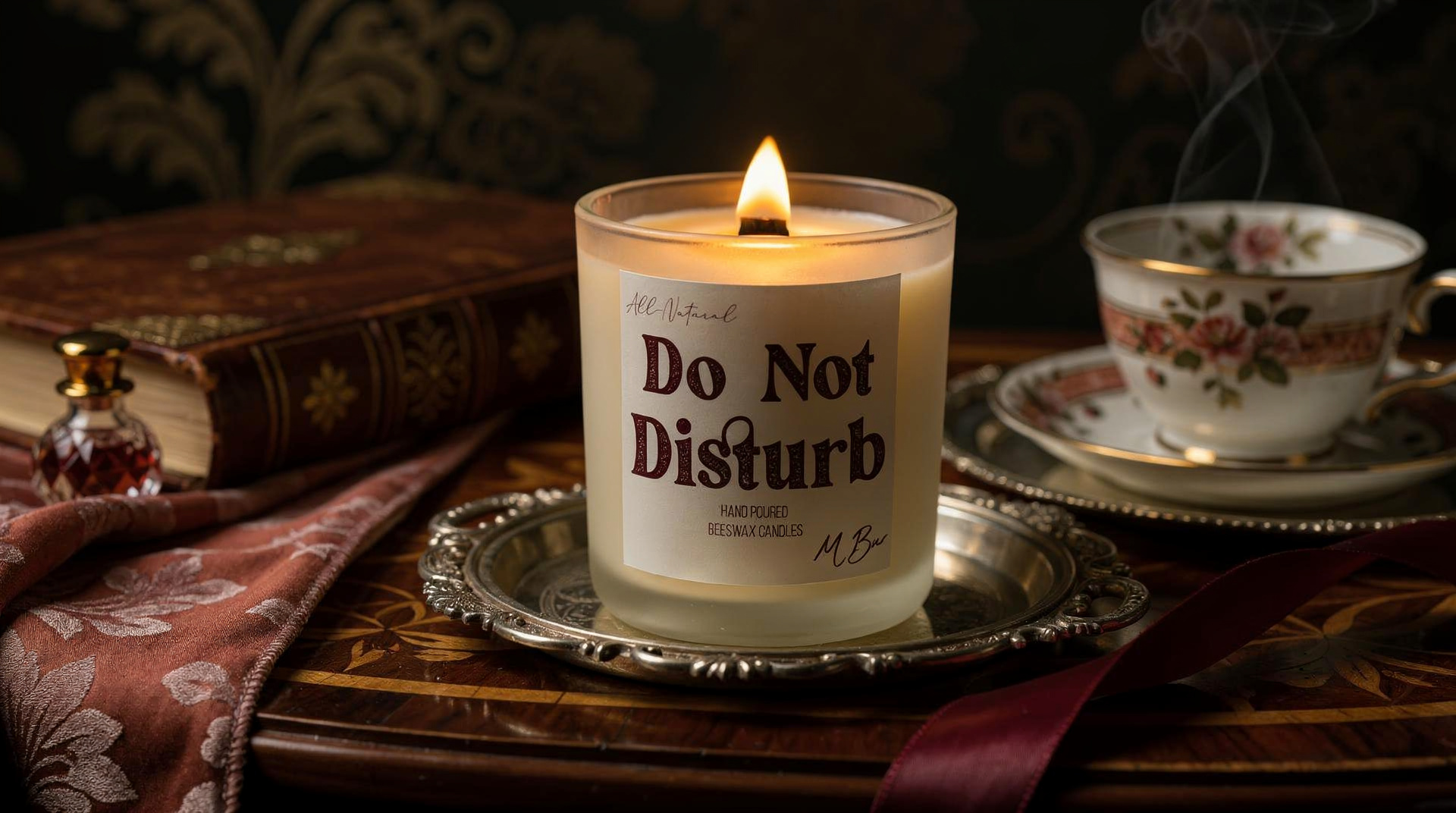
Many candles do contain phthalates, through their fragrance and usually without disclosure, because home fragrance is largely unregulated. The way to tell is to look for an explicit phthalate-free claim from a transparent brand, favor clean waxes like beeswax, and treat silent labels as a reason to choose something else. Phthalate-free fragrance on a clean base is the combination to look for.
Shop our candles