

Do Candle Warmers Make Candles Smell Stronger? The Science of Scent Throw
A disappointing scent throw from your candle warmer usually points directly to the temperature of the heating element. You plug in the device, watch the wax melt into a perfect pool, and wait for the room to fill with fragrance. Instead, you get a faint whisper of the top notes and absolutely nothing else. The heating bulb melts the wax, but the heat falls short of what heavier fragrance oils need to fully volatilize into the air. We are going to break down the exact science of scent intensity, explain why your warmer is muting your favorite candles, and show you how to fix it. If you want to skip the troubleshooting and just browse candles formulated for exceptional scent throw, explore our full beeswax candle collection.
The Science of Heat and Scent Intensity
Fragrance oils require specific temperature thresholds to evaporate and travel through the air. An open flame generates immense heat, easily pushing the wax temperature well past the combustion point of the wick and creating a vigorous melt pool. This high heat forces both light citrus notes and heavy woody base notes into the air simultaneously.

Candle warmers operate on a completely different thermal level. A standard warmer light bulb radiates heat downward, raising the wax surface temperature to roughly 140 to 180 degrees Fahrenheit. This gentle heat melts the top layer of wax and activates the lighter fragrance molecules.
Heavier fragrance compounds require much more energy to become airborne. Base notes like resins, deep woods, and rich ambers simply stay trapped in the liquid wax when the heat source is too mild. You end up smelling the bright lemon top notes while the complex vanilla and sandalwood base notes remain locked in the jar. The volatility of each specific fragrance oil dictates exactly how much heat it needs to project across a room.
Why Ingredient Quality Dictates Warmer Performance
The wax composition and fragrance quality completely change how a candle reacts to low heat. Paraffin wax is a petroleum byproduct that melts at a very low temperature. It releases scent quickly under a warmer bulb, but it also releases toxic fragrance compounds and volatile organic chemicals into your breathing space.
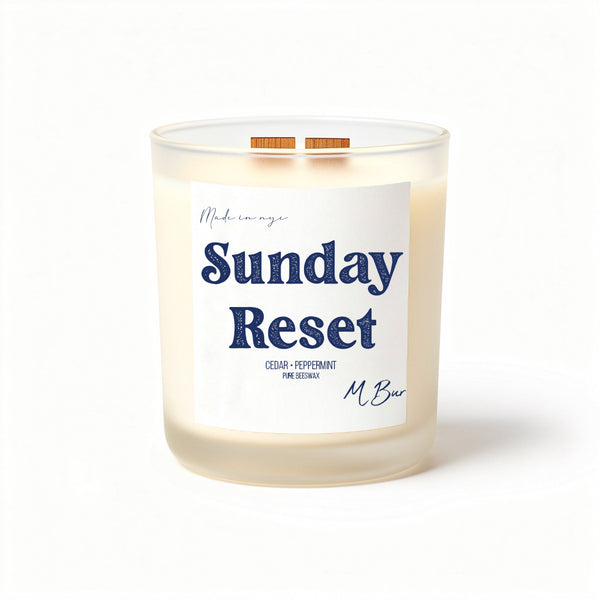
Beeswax has the highest melting point of any candle wax. It requires a robust warmer to create a full melt pool. When you pair pure beeswax with non toxic fragrance oils free of phthalates and parabens, the scent release is slower and much cleaner. The fragrance oils evaporate gradually, giving you a consistent scent throw over many hours without degrading the indoor air quality.
Recent chemical studies indicate that scented wax melts warmed in these devices can still degrade indoor air quality if they contain cheap chemical additives. Choosing clean ingredients ensures the scent you breathe is safe, regardless of the heat source. The physical purity of the wax acts as a clean carrier for the fragrance, allowing the true scent profile to emerge without chemical interference.
Actionable Steps to Maximize Scent Throw
You can absolutely get a strong, room filling scent from a candle warmer by adjusting your setup and your candle selection.
First, evaluate your warmer style. Overhead warmers use a halogen or incandescent bulb to melt the wax from the surface. This mimics a candle flame and generally provides a stronger initial scent throw. Base heating warmers use a hot plate to melt the wax from the bottom. These take longer to heat the entire jar and often result in a weaker scent projection.

Second, select candles with balanced fragrance profiles. Candles heavily weighted toward base notes will struggle on a low heat warmer. Look for fragrances with strong middle and top notes to ensure the warmer can actually push the scent into the room.
Third, give the wax time to fully pool. A warmer takes significantly longer to melt the wax than an open flame. Let the device run for at least 30 minutes before judging the scent intensity. The fragrance oils need time to heat evenly throughout the entire melt pool.
Fourth, maintain your wax. If you switch between burning and warming, always trim the wooden wick before lighting it. A clean wick ensures a proper flame size, which generates the high heat needed to release those stubborn base notes when you decide to burn the candle traditionally.
Formulated for Exceptional Scent Throw
Our candles are formulated to perform beautifully whether you burn them or warm them. The Room Service candle features top notes of exquisite saffron and delicate white tea, which project brilliantly under the gentle heat of a warmer lamp. The middle notes of enchanting peony and base notes of warm amber and smoky black tea emerge as the wax fully pools.
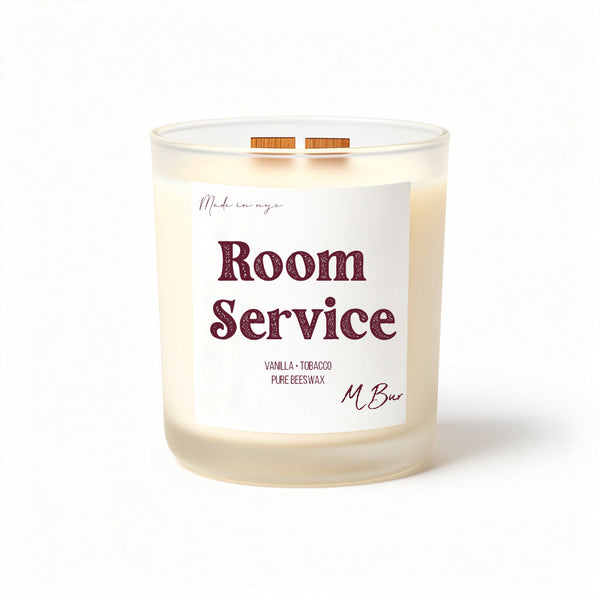
If you prefer a more relaxing profile, the Wine Down candle offers fragrant lavender and invigorating camphor at the top. These lighter, aromatic notes volatilize easily on a warmer, filling your bedroom with a soothing aroma.
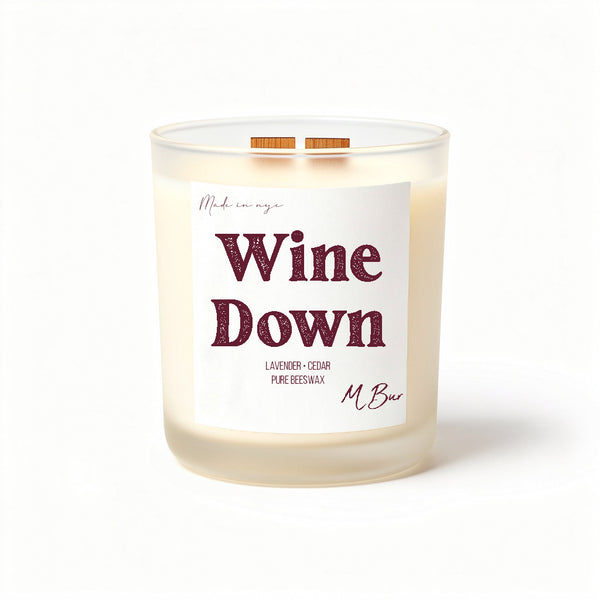
Our customers notice the difference in scent quality immediately. As Nicole D. shared about her experience:
"Absolutely loved the Wine Down candle! The scent is so light and clean, not overpowering at all, which is exactly what I look for. A lot of other candles tend to give me headaches, but this one was a total game changer. I was able to enjoy the calming aroma without any discomfort."
Frequently Asked Questions About Candle Warmers
Do candle warmers make candles last longer?
Yes. Because the wax is not being consumed by an open flame, the physical wax lasts much longer. The fragrance oils also evaporate at a slower rate, extending the total hours of scent you get from a single jar. You can browse our long lasting options in our full beeswax candle collection to find your perfect match.
Are candle warmers safer than burning candles?
Warmers eliminate the open flame, which reduces the risk of accidental fires and completely stops the production of black soot. However, the safety of the air you breathe depends entirely on the candle ingredients. Always choose candles with non toxic fragrance and clean wax to protect your indoor air quality.
Why does my candle smell weaker on a warmer?
The heating element in most warmers only reaches 140 to 180 degrees Fahrenheit. This temperature easily releases light citrus and floral top notes, but it lacks the thermal energy to push heavy woody or resinous base notes into the air.
Can I use any jar candle on a warmer?
Most standard jar candles work fine on a warmer. Just ensure the jar is made of heat safe glass and the candle does not contain metal components that could react to the heat. Our pure beeswax candles are poured into high quality, heat safe glass vessels designed for both burning and warming.

The Final Takeaway
Getting a strong scent from a candle warmer comes down to understanding heat thresholds and choosing the right ingredients. An overhead warmer and a clean, well balanced fragrance will give you hours of consistent, room filling scent without the soot or smoke of an open flame. Upgrade your home fragrance routine with clean ingredients that actually perform.
Explore our full beeswax candle collection to find your next favorite scent. With thousands of five star reviews from customers who refuse to burn anything else, you will immediately notice the difference in scent clarity and air quality.
Related reading

