

How to Get a Mildew Smell Out of a Rug: A Step by Step Guide
That damp, earthy smell rising from your rug is mildew. It means moisture is trapped deep in the fibers and fungi are actively multiplying. You might try to cover it up with a room spray, but masking the odor only delays the inevitable. Getting rid of a mildew smell requires removing the moisture and killing the spores.
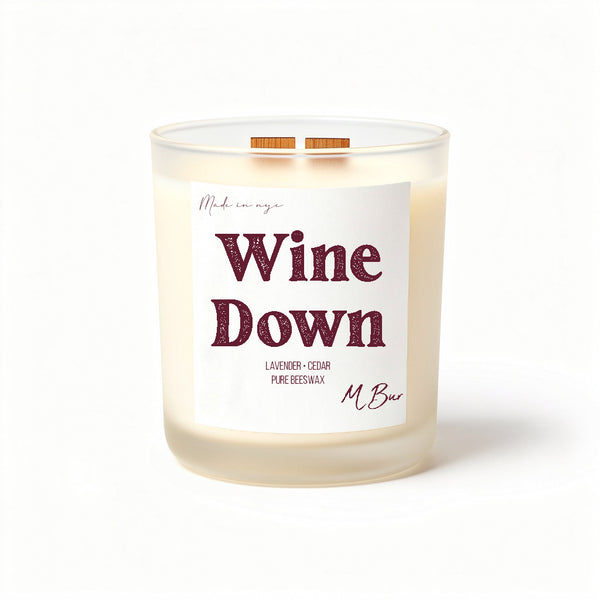
This guide walks you through the exact steps to remove mildew smell from your rug and restore your space. You will also learn how to maintain fresh indoor air once the deep cleaning is done, which is where our full beeswax candle collection comes in handy.

The Science Behind the Musty Odor
Mildew thrives in dark, damp, and humid conditions. A spilled glass of water, wet shoes tracking in rain, or poor room ventilation creates the perfect breeding ground. When mildew grows, it releases microbial volatile organic compounds. These compounds are responsible for that distinct, sour, musty odor.
The Environmental Protection Agency notes that mold and dampness can cause wheezing and respiratory irritation, especially for people with asthma. You can read more about managing indoor moisture on the EPA guide to mold and moisture.
Treating the rug quickly is crucial. If the mildew reaches the backing of the rug, the damage becomes much harder to reverse.
Step 1: Dry the Rug Completely
Moisture is the fuel for mildew. Your first step is removing every trace of dampness.
If the rug is small enough, take it outside and hang it in direct sunlight. The UV rays help kill spores while the air circulation dries the fibers.
For larger area rugs, use a wet and dry vacuum to extract standing water. Set up fans and a dehumidifier in the room to speed up the drying process. Wait until the rug is completely dry on both sides before moving to the next step.
Step 2: Vacuum with a HEPA Filter
Once the rug is dry, vacuum it thoroughly.
Use a vacuum equipped with a HEPA filter. Standard vacuums often blow fine particles and allergens right back into the air. A HEPA filter traps the microscopic mildew spores and removes them from your home environment.
Go over the rug slowly in multiple directions to pull up loose debris and dried spores.
Step 3: Apply a Baking Soda Treatment
Baking soda is a powerhouse for odor removal. It actively absorbs both odors and lingering moisture trapped in the carpet fibers.
Sprinkle a generous layer of baking soda over the entire affected area. Let it sit for at least two hours. For severe odors, leave it overnight.
Vacuum up the baking soda completely. You will notice a significant improvement in the smell right away.

Step 4: Use a White Vinegar Solution
White vinegar breaks down mildew and neutralizes stubborn odors.
Mix equal parts white vinegar and water in a spray bottle. Lightly mist the affected areas of the rug. Avoid soaking the fibers, as adding too much moisture will just restart the mildew growth cycle.
Let the solution sit for a few hours. The vinegar smell will be strong at first, but it dissipates completely as it dries, taking the mildew odor with it.
Blot the area with clean, dry towels and let it air dry completely.
Step 5: Try an Enzyme Cleaner for Stubborn Spots
If the smell persists, an enzyme cleaner rated for mildew is your next line of defense.
Spray the enzyme cleaner directly onto the carpet and let it sit for about twenty five minutes. The enzymes break down the organic matter causing the smell.
Blot the area dry and allow it to ventilate.
Step 6: Steam Clean for Deep Odors
When mildew penetrates deep into the rug padding, surface treatments might fall short.
Steam cleaning uses high heat to kill lingering mold spores and break down remaining mildew odors in the deepest carpet fibers. You can rent a steam cleaner from a local hardware store or hire a professional carpet cleaning service.
Professional cleaning at least once a year helps eliminate embedded spores and removes deep dirt.
Preventing Mildew from Returning
Keep the room well ventilated. Open windows regularly to let fresh air circulate and reduce indoor humidity.
Use a dehumidifier in damp areas like basements or bathrooms. Keeping the humidity level below fifty percent stops mildew spores from activating.
Address spills immediately. Blot liquids with a clean towel and use a fan to dry the spot completely.
Avoid placing large area rugs in rooms with high moisture, like bathrooms or directly inside entryways where wet shoes accumulate.
Maintaining Fresh Air After the Clean
Once your rug is clean and dry, you want to keep the air in the room feeling fresh and inviting.
Many people reach for a standard scented candle to celebrate a clean house. Most conventional candles use toxic fragrance containing phthalates and parabens. Burning those chemicals just adds irritants back into the air you worked so hard to purify.
MBur candles use pure beeswax and non toxic fragrance. The beeswax burns cleanly without releasing black soot or chemical byproducts.
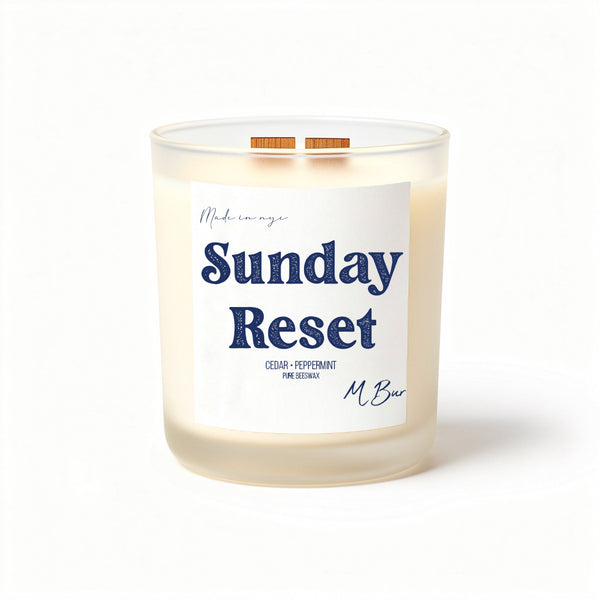
Lighting the Sunday Reset Candle gives your room that crisp, just cleaned everything freshness. It features refreshing peppermint, invigorating eucalyptus, spicy clove, earthy cedar, and rich patchouli.
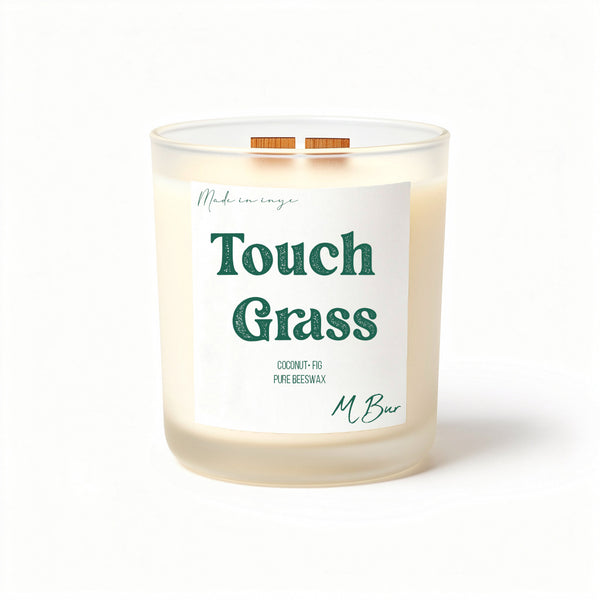
If you prefer a crisp outdoor vibe, the Touch Grass Candle brings the scent of fresh, dewy fig leaves and green galbanum right into your living room.

Our customers notice the difference in air quality immediately. As Jason H. shared about his experience, "I absolutely love these candles! I instantly notice the difference in the air quality, in comparison to the Bath & Body scented candles. I love Bath & Body's candles but I acknowledge that it caused a slight headache and other minor respiratory discomfort. Awesome products. Totally addicted."
Frequently Asked Questions
How do I know if my rug has mildew or just regular dirt?
Regular dirt smells dusty or earthy when dry, but mildew has a distinctly sour, damp, and pungent odor. If the smell gets stronger when the room is humid or after you clean the rug with water, you are dealing with mildew.
What happens if mildew reaches the rug backing?
When mildew penetrates the backing, it indicates severe moisture damage. The backing materials can deteriorate, and the spores become much harder to extract. You will likely need professional restoration or might have to replace the rug entirely.
When should I call a professional carpet cleaner?
Call a professional if the mildew smell returns shortly after your DIY treatments, or if the affected area is larger than a few square feet. Professionals have commercial grade extraction tools and antimicrobial treatments that reach deep into the rug padding.
Final Thoughts
Removing a mildew smell from a rug takes a little elbow grease, but the results are absolutely worth it. Drying the rug thoroughly, treating it with baking soda and vinegar, and maintaining a clean environment will keep your home smelling incredible. Celebrate your fresh, clean space by lighting a pure beeswax candle. Browse our full beeswax candle collection to find the perfect clean scent for your newly refreshed room.
Related reading

