
Why Wood Wick Candles Crackle, and Why It Feels So Calming
If you have ever lit a wood wick candle, you know the sound before you know anything else about it: a soft, irregular crackle, like a fireplace shrunk down to fit on a side table. It is one of the main reasons people who switch to wood wicks rarely go back to cotton. At MBur Candle Co., we use wood wicks for the clean burn and the wide flame, but the sound is a real part of why. Here is what actually causes that crackle, why it has the effect it does, and how to get the best version of it.
What customers say on Google
View on Google
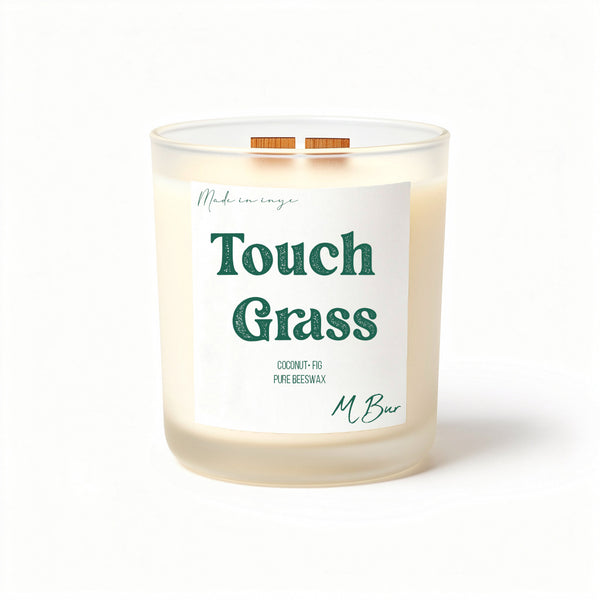
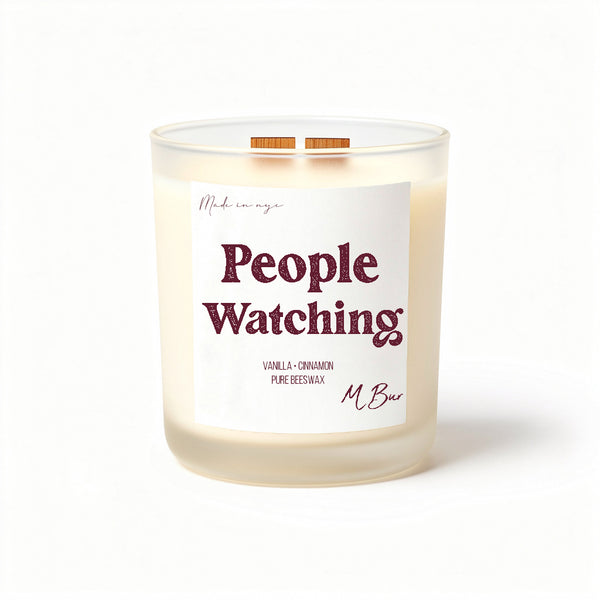
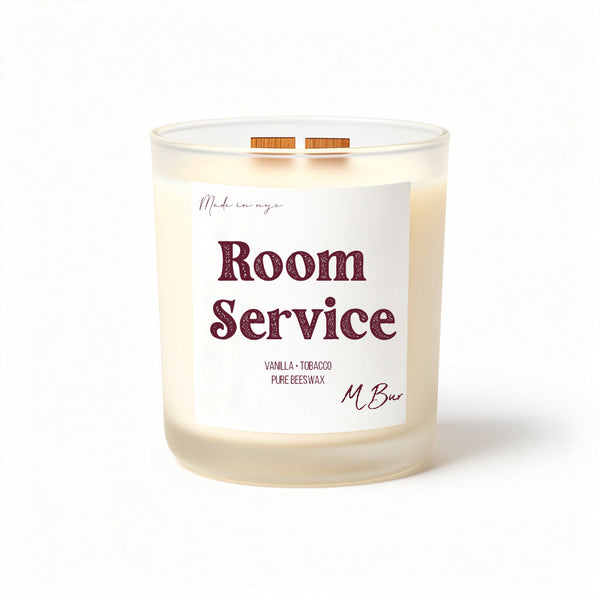
If you want to hear it for yourself, the full MBur beeswax candle collection uses wood wicks across every scent.
What Actually Makes a Wood Wick Crackle
The crackle is not a gimmick added to the candle. It is a byproduct of how a wood wick burns. A wood wick is a thin, flat strip of wood rather than a braided cotton string. As the flame heats it, the wax drawn up into the wood vaporizes and combusts in small, uneven bursts, and tiny pockets of moisture and resin in the wood release as they heat. Those little bursts are what you hear as popping and crackling. It is the same basic process that makes a campfire snap, just scaled down to a single small flame.
The flat shape also gives a wood wick a wider, more horizontal flame than a cotton wick's tall teardrop. That wide flame melts wax across a broader area, which is part of why wood wicks tend to pool evenly instead of tunneling down the center.
Why the Sound Has Such a Calming Effect
Two things are going on. The first is that gentle, repetitive, natural sounds give a busy mind a soft focal point to settle on, which is the same mechanism behind the ASMR (Autonomous Sensory Meridian Response) videos a lot of people use to relax or fall asleep. The crackle is quiet, unpredictable in a low-stakes way, and easy to tune into, which makes it a useful anchor when your thoughts are scattered.
The second is older than any of that. The sound of a crackling fire is tied in human memory to warmth, safety, and gathering. For most of history, a fire meant a place to be at the end of the day. A wood wick brings a small version of that into a modern apartment, which is part of why it reads as comforting rather than just pleasant.
Pairing the Sound with Scent
The crackle does its best work alongside a calming scent, which turns a candle into more of a wind-down ritual than just a light. The sound keeps you in the present while the scent does the work of shifting the mood of the room.
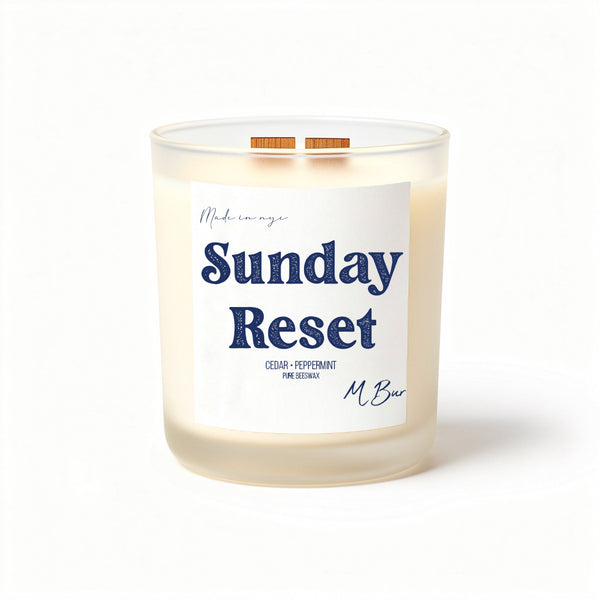
Our Sunday Reset candle (eucalyptus, peppermint, clove, cedar, patchouli) is a good match for this, with phthalate-free non-toxic fragrance that reads as clean and clear-headed rather than heavy. The soft crackle underneath it makes a quiet afternoon feel deliberate, whether you are resetting for the week ahead or unwinding after a long day.
How to Get the Best Crackle
A clean wick gives the most consistent sound. Before each burn, knock the spent carbon char off the top of the wood wick (for our wicks, you can pinch the soft, ashy part off with your fingertips once it has cooled). A clean wick draws fuel cleanly, which keeps the flame steady and the crackle even. An untrimmed, carbon-heavy wick produces a weaker flame and a less consistent sound, along with more soot.
The Bottom Line
The crackle of a wood wick comes from the wax and the wood combusting in small bursts as the flame heats them, the same thing that makes a campfire snap, scaled down. It is calming for a practical reason and an older one: it gives a busy mind something soft to focus on, and it taps into a long association between fire and feeling safe. Paired with a clean scent and a properly trimmed wick, it turns an ordinary candle into a quieter, more grounding part of a room.
Shop the full MBur beeswax candle collection
What buyers say:
Related reading:

