
Candle Warmer vs Burning: Which Is Actually Better for Your Health?
Candle Warmer vs Burning: Which Is Actually Better for Your Health?
The candle warmer debate usually gets framed as flame versus no flame. That framing skips past the variable that actually decides whether either method is safe for you. Both methods release compounds from your candle into the air. What those compounds are depends on the wax, the fragrance, and the wick. The heat source comes second.
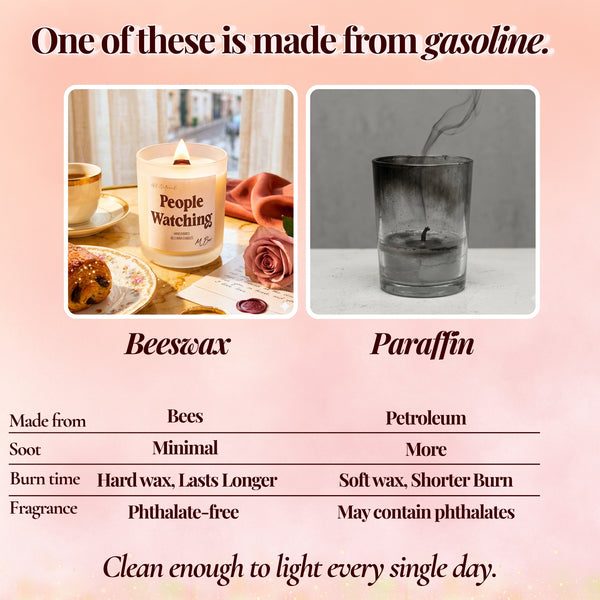
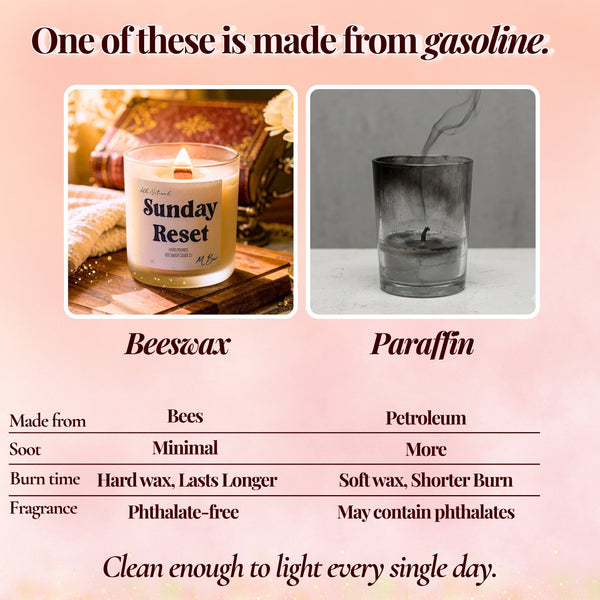
A paraffin candle warmed gently on a ceramic plate is still releasing the same petroleum-derived compounds it would release over a flame. A 100% beeswax candle burned properly in a ventilated room is one of the cleanest ways to scent a space. The material sets the ceiling on how safe either method can be.
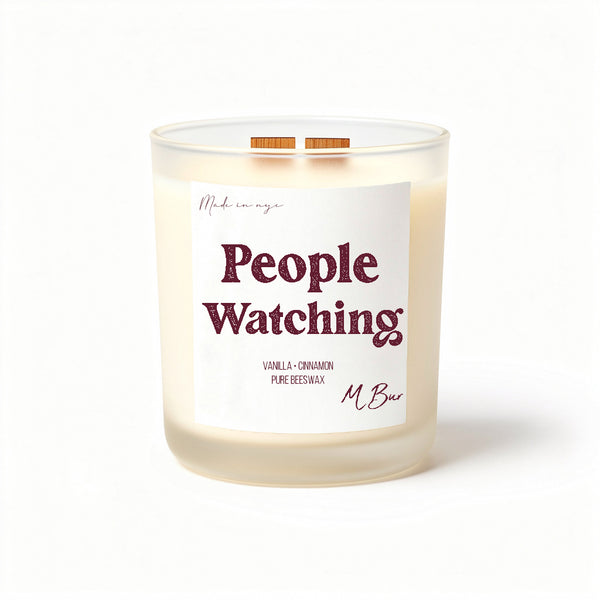
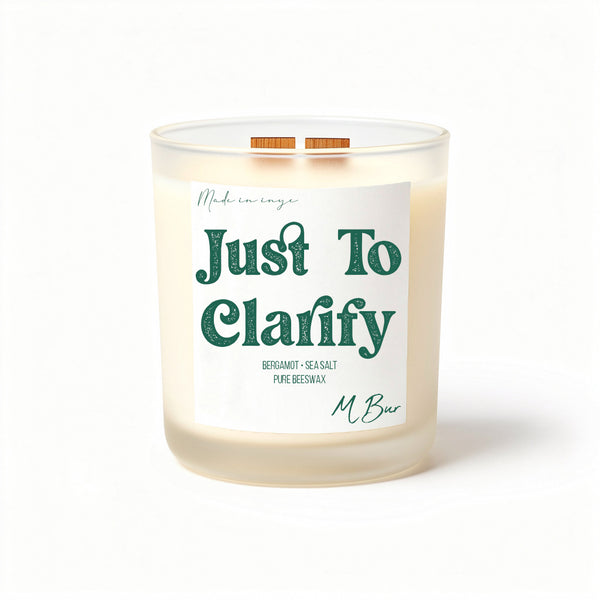
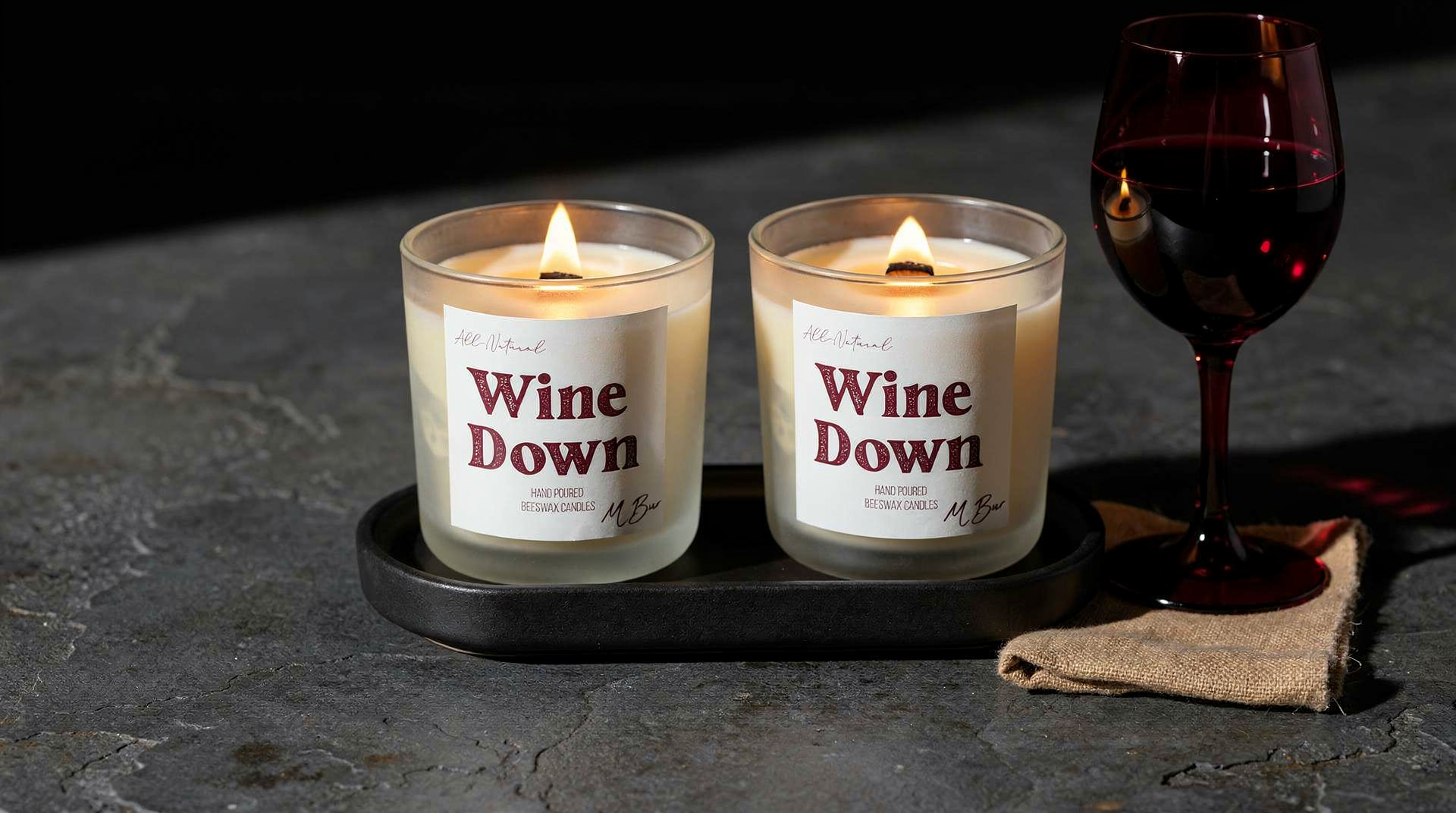
This guide goes through ingredients, heat mechanics, scent throw, cost per hour, and the health data so you can make an informed call for your specific situation. Browse the full MBur beeswax candle collection to see what clean-burn candles look like in practice.
The Core Question Nobody Is Asking Correctly
Most comparisons stop at warmer versus flame. The more useful question is: what is your candle made of, and how does heat affect those ingredients?
Every candle releases compounds when heated, whether that heat comes from a flame or an electric warmer. The difference is temperature and combustion. A flame burns the wax and fragrance together, producing combustion byproducts along with scent molecules. A warmer melts the wax gently, releasing fragrance without combustion, and also without the higher temperatures that help push scent across a room.
If your candle contains paraffin wax, phthalate-heavy fragrance oils, or metal core wicks, both methods release compounds you do not want in your air. The warmer just does it more slowly.
If your candle is made from a single-ingredient wax like beeswax, uses phthalate-free non-toxic fragrance oils, and burns on a wooden wick, you start from a much cleaner baseline and both methods perform well.
The Comparison Framework
Here is how the two methods stack up across every factor that matters.
1. Health Impact
Burning paraffin candles releases benzene, toluene, and formaldehyde. These are documented VOCs (volatile organic compounds). A 2009 South Carolina State University study presented to the American Chemical Society found that paraffin candles emitted these compounds at levels that could pose risks with repeated, poorly ventilated indoor use. That finding lines up with what we know about combusting petroleum byproducts in enclosed spaces.
Candle warmers eliminate combustion entirely. No smoke, no soot, no combustion byproducts. For people with asthma, allergies, or respiratory sensitivity, that is a meaningful difference. If you are managing a respiratory condition, our guide to candles for asthma sufferers covers the ingredient-level risks in more detail.
The catch with warmers is that they still volatilize fragrance compounds. If your candle uses phthalate-heavy fragrance oils, a warmer releases those into your air at a lower temperature and in a more sustained, concentrated way, since there is no draft or airflow from a flame to disperse them.
With beeswax candles specifically, combustion runs remarkably clean. Beeswax has a higher melting point than any other candle wax, which supports a more complete combustion and significantly less soot and particulate matter. For a deeper look at how different waxes compare on air quality, see our paraffin vs beeswax vs soy comparison.
Winner for health (paraffin candles): Candle warmer, clearly.
Winner for health (beeswax with phthalate-free fragrance oils): Too close to call. Both are genuinely clean.
2. Scent Throw
This is where warmers consistently lose ground, and the gap is bigger than most people expect.
A burning candle creates a convection current. Hot air rises from the flame, pulling cooler air toward the wick and pushing scent molecules outward in all directions. A well-made candle with a wooden wick can fill a large room within 20 to 30 minutes of lighting.
Warmers heat the wax from above or below, melting the surface layer and releasing fragrance passively. The scent dispersal is gentler and more localized. For a small bathroom or a desk setup, that works fine. For a living room or an open-plan space, you will notice the difference.
With beeswax specifically, warmers need a higher surface temperature to match the throw of a flame, because beeswax has the highest melting point of any candle wax. Lower-temperature warmers sometimes barely crack the surface. If you use a warmer with beeswax, look for one with a temperature setting of at least 140 to 160 degrees Fahrenheit.
Winner for scent throw: Burning, consistently.
3. Burn Time and Value
Warmers are often marketed as more economical because the wax survives. That logic only holds if the wax stays useful indefinitely, and it does not.
When you warm a candle, you release the fragrance while the wax stays behind. Eventually the fragrance load in the wax depletes and you are left with scentless wax. Plenty of material remains in the vessel, and as a scented product it is functionally done.
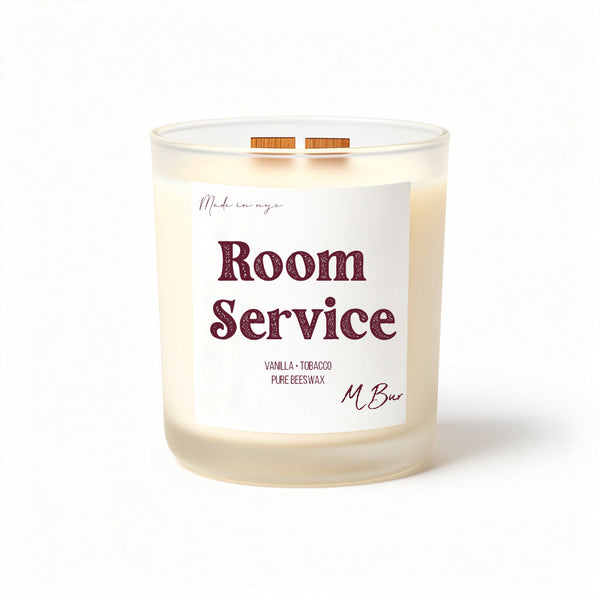
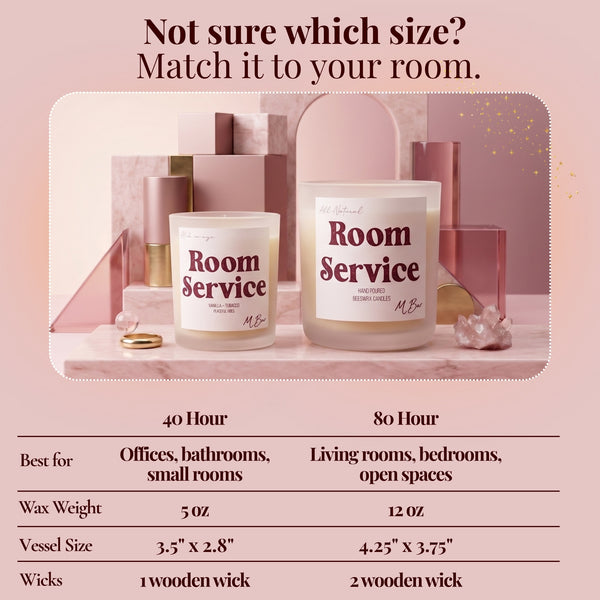
With burning, you consume wax at a predictable rate and the fragrance dispersal is more efficient per hour of use. A beeswax candle like Room Service in the 80-hour size burns for a full 80 hours at $60, which works out to $0.75 per hour. That burn time is possible specifically because beeswax has the highest melting point of any candle wax, so it consumes itself more slowly than paraffin or soy.
Winner for predictable value: Burning, because you know exactly what you are getting per hour.
4. Safety and Convenience
Open flames require attention. You should never leave a burning candle unattended, keep it away from drafts and flammable materials, and trim the wick before every burn. These are real considerations, especially in households with kids, pets, or general chaos.
Warmers eliminate open flame risk entirely. Many have auto-shutoff timers. You can set one on a warmer and leave the room without the anxiety that comes with an open flame. For offices, bedrooms where you fall asleep, or homes with curious cats, that peace of mind matters. If you have cats specifically, our post on whether candles are safe for cats covers the full safety picture.
That said, warmers carry their own risks. The plate or bulb surface can reach temperatures high enough to cause burns on contact, and a warmer that overheats a candle container can crack glass or scorch ceramic surfaces.
Winner for convenience and safety: Candle warmer, especially for unattended use.
5. Ambiance and Experience
A warmer gives you fragrance without a flame, and the missing flame matters more than the practical crowd wants to admit.
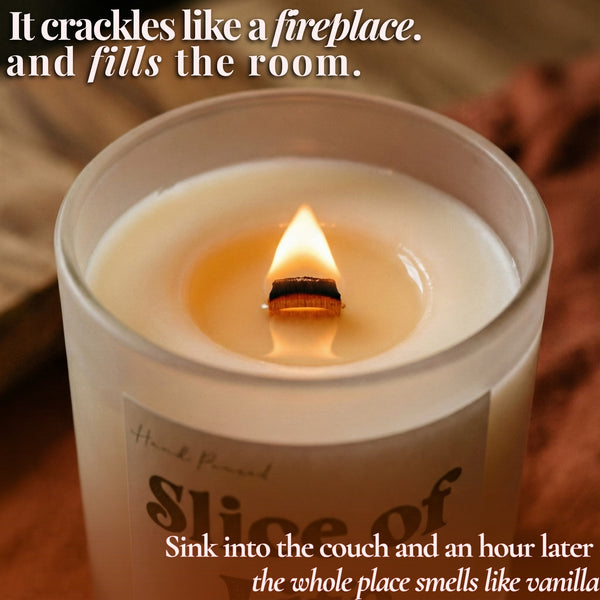
A wooden wick crackling quietly, warm light pooling on a table, the gradual shift in a room as a scent builds and fills the space. That sensory experience is a meaningful part of why candles exist. If you are using a candle purely for fragrance delivery, a warmer is an efficient tool. If the ritual matters to you, and for many people it does, burning provides something a warmer cannot replicate.
Winner for experience: Burning.
The Comparison Table
| Factor | Candle Warmer | Burning (Flame) |
|---|---|---|
| Health (paraffin candles) | Better (no combustion) | VOCs released through combustion |
| Health (beeswax candles) | Clean | Also clean, minimal soot |
| Scent Throw | Moderate, localized | Strong, room filling |
| Burn Time Value | Fragrance depletes, unpredictable | Predictable hours per candle |
| Open Flame Risk | None | Present, manageable with care |
| Ambiance | Scent only | Scent plus light, sound, ritual |
| Best Candle Wax for Warmers | Soy or paraffin (lower melt point) | Beeswax excels |
What Real Customers Notice
The shift from mainstream candle brands to beeswax comes up repeatedly in customer feedback, and the observations are physical rather than abstract. Both of these come from the same repeat buyer across two different scents.
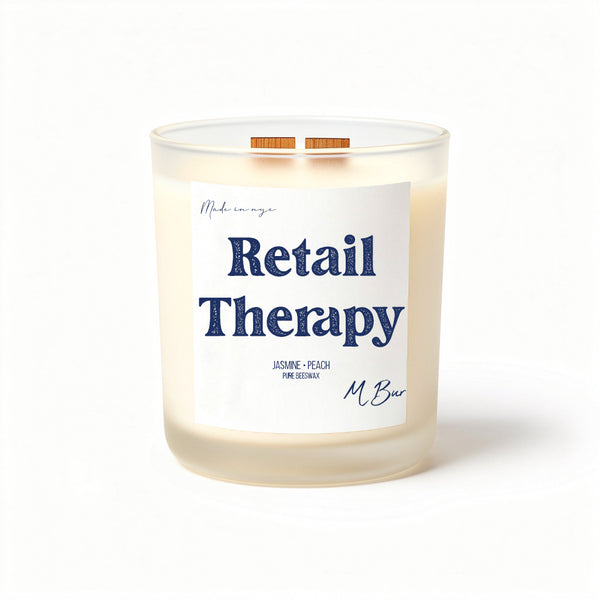
"I absolutely love these candles! I instantly notice the difference in the air quality, in comparison to the Bath & Body scented candles. I love Bath & Body's candles but I acknowledge that it caused a slight headache and other minor respiratory discomfort. Awesome products. Totally addicted." Jason H., verified buyer, on Retail Therapy
"I love these candles. No headache or feeling nauseous like the Bath & Body candles with all the extra chemicals. In addition, I love the package and how carefully everything was wrapped." Jason H., verified buyer, on Room Service
Notice what both reviews describe: the wax and what it puts into the air. The ingredient composition determines your experience regardless of whether you heat it with a flame or a plate.
Declaring a Winner for Each Use Case
There is no single correct answer here. The right method depends on what you are optimizing for.
Use a candle warmer if: You have respiratory sensitivities or asthma and are using any candle other than 100% beeswax. You want unattended fragrance without open flame risk. You are scenting a small room like a bathroom, bedroom, or office. You use paraffin or blended wax candles and want to reduce combustion byproduct exposure.
Burn your candle if: You are using a beeswax candle with a wooden wick and phthalate-free non-toxic fragrance oils, because that combination produces a genuinely clean burn and strong scent throw. You want the full sensory experience. You are scenting a large or open-plan space. You have invested in quality wax and want to get every hour of rated burn time.
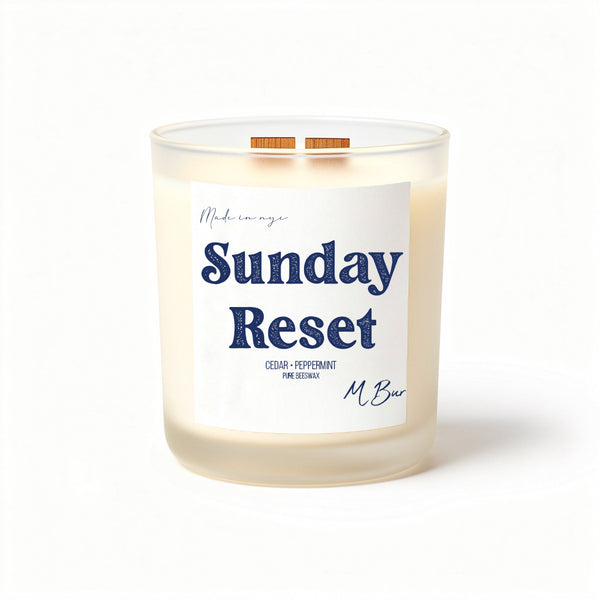
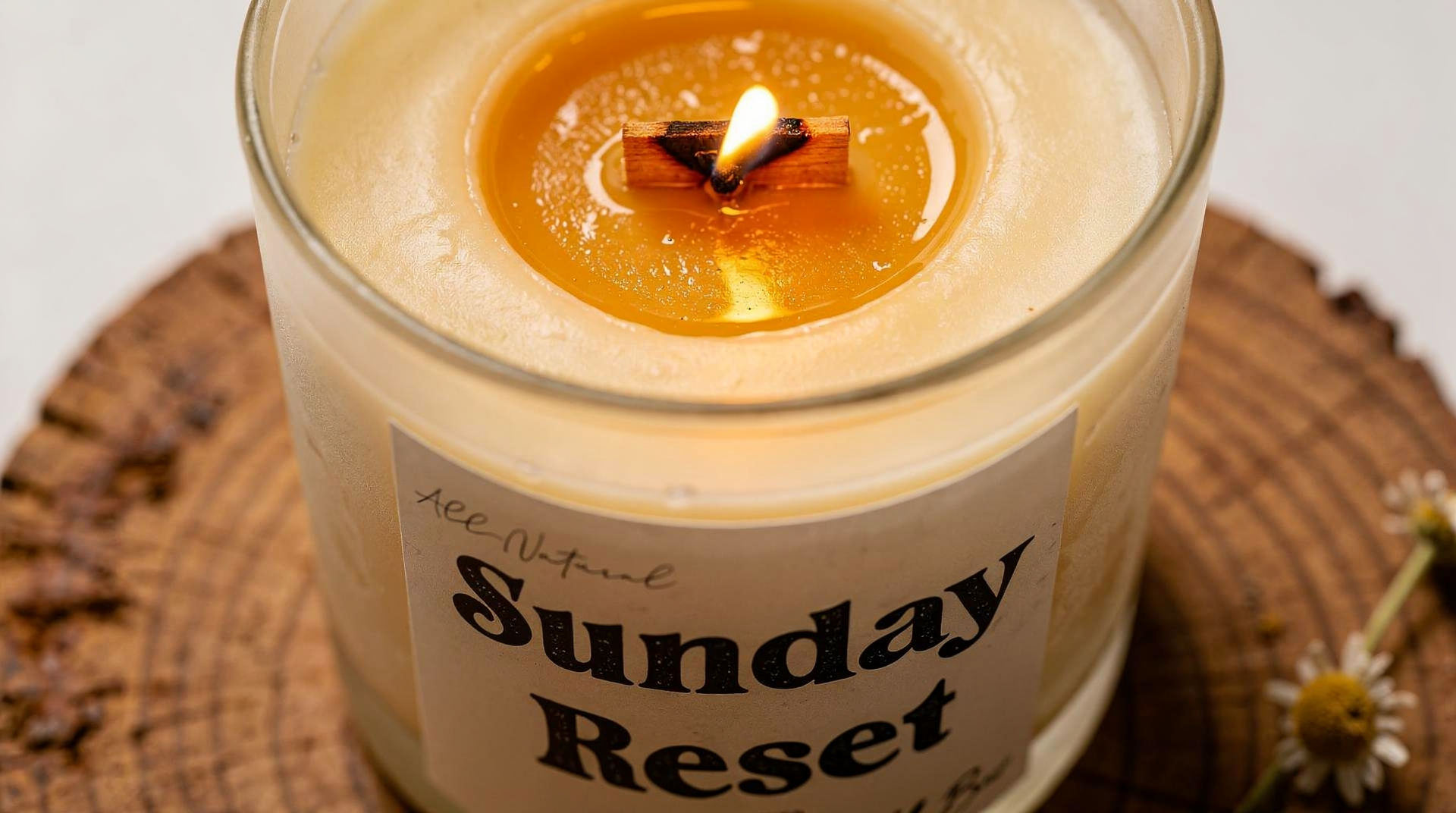
The Sunday Reset beeswax candle is a strong example of a candle that performs well under flame. The scent profile is eucalyptus, peppermint, clove, cedar, and patchouli. The wooden wick gives you a soft crackle, the scent fills a room quickly, and the burn runs clean from start to finish.
If you are new to MBur and want to figure out which scent works for your space, start with any of the 20-hour candles at $20. That gives you enough burn time to test scent throw in your actual environment before committing to the 80-hour size.
Frequently Asked Questions
Are candle warmers actually safer than burning candles?
For paraffin candles, yes. Warmers eliminate combustion, which is where most of the harmful VOCs come from. For beeswax candles with phthalate-free non-toxic fragrance oils, the safety difference shrinks to almost nothing. The wax type matters more than the heat method.
Do candle warmers work with beeswax candles?
They can, but beeswax has a higher melting point than soy or paraffin, so you need a warmer that reaches at least 140 degrees Fahrenheit to get a good scent throw. Lower-temperature warmers may barely melt the surface. For maximum performance from a beeswax candle, burning remains the better method.
Does using a warmer use up the candle faster?
The wax lasts longer on a warmer, since none of it combusts. The fragrance load is what runs out. Once the scent depletes, the remaining wax is functionally spent as a candle even though the vessel still looks full. Burning gives you a more predictable per-hour value.
What candles are safest to burn if I have asthma or allergies?
Look for 100% beeswax, wooden wicks, phthalate-free fragrance, and no chemical dyes. Every MBur candle meets all four criteria. For allergy sufferers specifically, our post on the best beeswax candles for allergy sufferers goes deeper into what to look for.
Can I use any candle in a warmer?
Technically yes, but the container matters. Glass containers are safest. Avoid warmers that generate intense localized heat under a thin-walled vessel, as it can crack. Always follow the warmer manufacturer's temperature guidelines and do not leave a warmer unattended for extended periods.
The Bottom Line
Candle warmers are a useful tool, especially if you are working with paraffin wax or managing respiratory sensitivities. The variable that decides whether either method is safe for your health is the candle itself: the wax, the fragrance, and the wick. A 100% beeswax candle with phthalate-free non-toxic fragrance oils and a wooden wick produces a clean burn with minimal soot, zero petroleum derivatives, and scent that fills a room the way a candle is supposed to.
Start with any of the 20-hour candles at $20 and burn it properly. Trim the wick to a quarter inch before lighting, let it reach a full melt pool on the first burn, and see the difference for yourself.
Shop the full collection at MBur Candle Co.
What buyers say:
Related reading:
Shop our candles