

Best Clean-Burning Candles for a Lung-Sensitive Home
If you have a serious lung condition, no candle treats it. A pulmonary embolism is a blood clot in the lung, and it needs a doctor and medication, never a scented jar. So please follow your doctor's guidance first. This post is about the smaller daily question many lung-sensitive people ask: which candles are kinder to the air you breathe at home.
Because the truth is that most candles are working against you. The soot and heavy fumes that make some people cough often come from the wax and the fragrance, not the flame. That is why MBur's pure beeswax candles keep a room smelling fresh without the paraffin soot or heavy fumes, fixing the air instead of masking it. Let's look at why the wax matters so much.

The concern is real, and your nose is right to flag it
People with asthma or COPD often feel it fast. A headache. A tight chest. A cough that shows up ten minutes after a candle is lit. That reaction is your body doing its job.
Research has shown that burning candles raises fine particle levels in a room. These tiny bits of soot are called PM2.5. They float in the air and are small enough to reach deep into your lungs.
Studies have also found that some people report headache, shortness of breath, and coughing after burning scented candles. Those are the exact symptoms lung-sensitive readers worry about. You are not imagining it.
Here is the honest part. One large study did not find a clear link between candle use and serious lung or heart events. So the danger is not the whole candle category. The danger is specific to what a candle is made of. That distinction is the whole game.
If you already have a diagnosed lung condition, be extra careful with home air quality. Talk to your doctor about what is safe for you. Everything below is about lowering irritation, not treating any illness.
Where the problem actually starts: the wax
Most cheap candles are made from paraffin. Paraffin is a byproduct of petroleum, the same crude oil that becomes gasoline. When it burns, it releases things you do not want to breathe.
Paraffin candles do release benzene, toluene, and formaldehyde. Those are known harmful compounds. In an unvented room, they build up in the air around you.
Paraffin also throws more soot. That black mark on a jar or a wall is fine particle pollution landing on a surface instead of your lungs. A candle that soots is a candle you can feel.
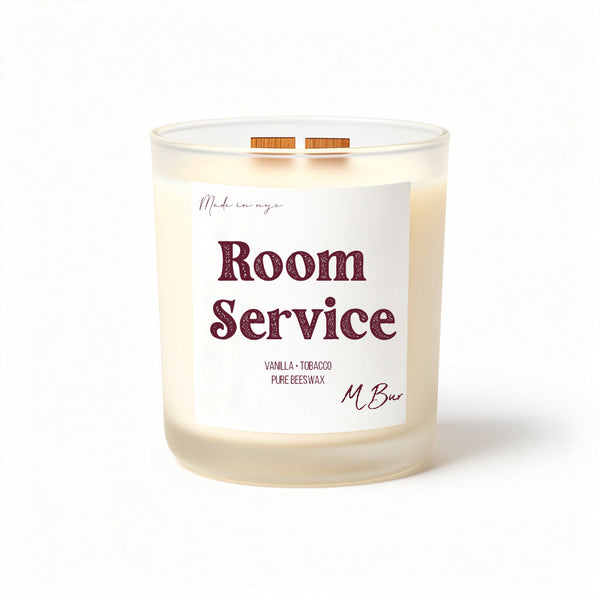
So the wax sets the floor for everything else. Get the wax wrong and no fancy scent will save you. Get it right and the rest gets easier.
How the three main waxes compare
| Wax type | What it is | Burn quality | Emissions concern |
|---|---|---|---|
| Paraffin | Petroleum byproduct | Sooty, faster burn | Releases benzene, toluene, formaldehyde |
| Soy | Plant wax, often blended | Cleaner than paraffin, uneven if blended | Cleaner, but may be cut with paraffin or use toxic fragrance |
| Beeswax (MBur, 100%) | Made by bees, single ingredient | Slow, even, longest burn (up to 80 hours) | Cleanest burn, no chemical processing |
Beeswax has the highest melting point of the common candle waxes. That is why it burns slow and even. It is also the oldest candle material, used since about 5,000 BCE.
Soy sits in the middle. It is better than paraffin, but soy candles are often blended with paraffin, and many still carry toxic fragrance. The label does the most work here, so read it.

The word on the label doing the most work
Wax is half the story. Fragrance is the other half. Many candles use toxic fragrances that contain phthalates and parabens.
Phthalates are chemicals that help scent stick and spread. When inhaled, they can make allergies and asthma worse for sensitive people. That is the ingredient your body is reacting to, not the smell of vanilla itself.
A clean candle keeps the scent you love and drops the compounds your body reacts to. MBur uses only non-toxic, phthalate-free fragrance oils. No parabens. No chemical dyes.
One reader put the difference plainly.
"I absolutely love these candles! I instantly notice the difference in the air quality, in comparison to the Bath & Body scented candles. I love Bath & Body's candles but I acknowledge that it caused a slight headache and other minor respiratory discomfort. Awesome products. Totally addicted." Jason H.
If you want a low, calm scent that fills a room without shouting, the Wine Down beeswax candle leans clean and green with lavender, chamomile, sage, rosemary, camphor, cedar, and sandalwood. The 40-hour size is $32 and the 80-hour size is $65.
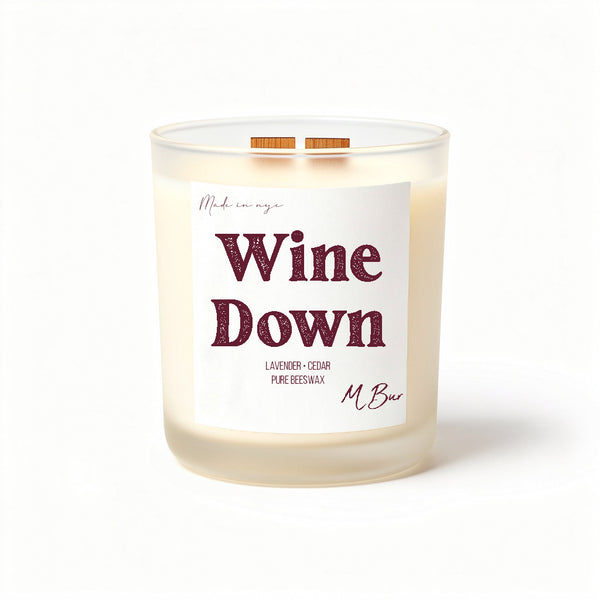
Another reader who gets headaches from strong candles found it easy on her.
"Absolutely loved the Wine Down candle! The scent is so light and clean, not overpowering at all, which is exactly what I look for. A lot of other candles tend to give me headaches, but this one was a total game-changer." Nicole D.
The two things you can see with your own eyes
You do not need a lab to spot a risky candle. Two things give it away fast.
First, the wick. Metal-core wicks can add unwanted particles to the air. A wooden wick or plain cotton burns cleaner, and wood also gives that soft crackle. Every MBur candle uses a wooden wick.
Second, the soot. Watch the flame and the jar. A clean candle stays bright and leaves the glass clear. A dirty one smokes and blackens the rim.
So when you shop, check the wax first, the fragrance words second, then the wick and the soot. That order sorts most candles in under a minute.
How to choose a candle that is kinder to your lungs
Here is a simple checklist. A clean candle should tick every box.
- 100% beeswax or a wax that is not cut with paraffin
- Phthalate-free, non-toxic fragrance
- No parabens
- No chemical dyes
- Wooden or plain cotton wick, never metal-core
- Naturally hypoallergenic
MBur checks every box. The candles are 100% beeswax, handmade in New York City, with phthalate-free fragrance and no dyes. Beeswax is also naturally hypoallergenic, which matters if strong scents set you off.
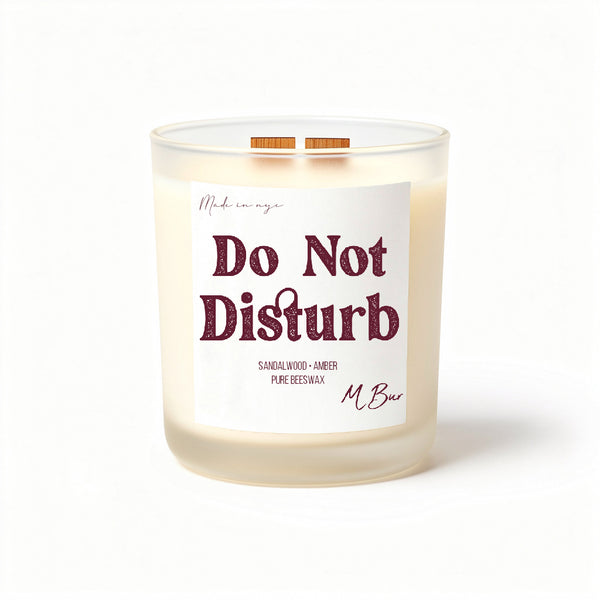
For a soft, low-key everyday option, the Do Not Disturb beeswax candle pairs bergamot and pear for a gentle bedroom scent. The 40-hour size is $32. One buyer called it "aromatherapy at its best" and said it covers her bedroom and bathroom without being overpowering.
How to name-check other brands honestly
Plenty of good clean-candle brands exist. Boy Smells is known for bold, modern scent design. Grow Fragrance leans hard into plant-based, all-natural positioning. Fontana Candle Company is well regarded in the clean-burning space too.
Compare them on the same checklist above. Look at the wax, the fragrance wording, and the wick. Judge every brand by what is actually in the jar, MBur included.
Simple habits that clean the air even more
The candle is one part. How you burn it is the other.
Trim the wick to about a quarter inch before each burn. This cuts soot and keeps the flame steady. It also helps the candle burn more evenly.
Keep sessions short. One to two hours is plenty. Then let it rest.
Open a window. Cross-ventilation, with air moving in one side and out the other, clears fine particles fast. The CPSC guide to indoor air quality covers simple ventilation basics worth reading.
If you have a diagnosed lung condition, run all of this past your doctor. Your air, your rules, their guidance.
Frequently asked questions
Are scented candles bad for people with asthma or COPD?
People with chronic lung conditions should be mindful of home air quality and follow their doctor's advice. If you burn candles, pick a clean-burning one and keep the room vented. A 100% beeswax option like Do Not Disturb with phthalate-free fragrance is gentler than a sooty paraffin candle.
What actually makes a candle irritate my lungs?
Usually the paraffin wax and toxic fragrance, plus soot from a bad wick. Swapping to a clean beeswax candle removes those triggers. See the full MBur beeswax collection for phthalate-free, dye-free options.
Do beeswax candles smell as strong as regular ones?
They fill a room without the heavy chemical punch. Reviewers say Wine Down scents a whole space and lingers after you blow it out, while staying light enough to avoid headaches.
How long do beeswax candles burn?
Longer than most, thanks to beeswax's high melting point. MBur sizes run from a 20-hour at $20 up to an 80-hour at $65. The 40-hour size at $32 is a solid starting point.
The takeaway
No candle treats a lung condition, so let your doctor lead on that. But if candles make you cough, the fix is choosing clean wax, non-toxic fragrance, and a wooden wick, then burning short with a window open. That is a candle your lungs can live with.
For a gentle, low-scent start, reach for the Do Not Disturb beeswax candle, 100% beeswax, phthalate-free, and naturally hypoallergenic. MBur candles earn glowing reviews from buyers who used to get headaches from other brands.
Shop the MBur beeswax candle collection and switch to a cleaner burn today.
Related reading

