

Best Candles While Breastfeeding: What Passes Into Milk and What Doesn't
The worry about what passes into your breast milk extends far beyond your morning coffee or the occasional glass of wine. Environmental exposures in your own living room can quietly make their way into your milk supply, and scented candles are a primary culprit. When you are nursing, every breath you take and every compound you absorb matters.
We are breaking down exactly which candle ingredients cross into breast milk, which ones stay out, and how to create a relaxing nursery environment without compromising your baby. If you want to skip the science and just browse safe options, head straight to our full beeswax candle collection.

The Science of What Passes Into Breast Milk
Your body is highly attuned to environmental inputs right now. The primary concern with standard scented candles involves phthalates. These are chemical compounds used to make toxic fragrances last longer and project further into the air.
Phthalates are lipophilic, meaning they bind readily to fats. Since breast milk is naturally high in fat content, these airborne chemicals can metabolize in your body and transfer directly into your milk. Research shows that phthalate metabolites are detectable in breast milk across multiple studied cohorts. Chronic exposure to these compounds in poorly ventilated spaces also causes oxidative stress and respiratory inflammation.
Beyond fragrance, the wax itself plays a massive role. Paraffin wax is a petroleum byproduct. When burned, it releases volatile organic compounds like benzene and formaldehyde. These toxins linger in your indoor air and settle on surfaces, creating an environment you and your newborn are constantly breathing in.
Comparing Candle Waxes for Nursing Mothers
Choosing the right wax is the first step in protecting your indoor air quality. Here is how the most common options stack up.
| Wax Type | Source | Burn Quality | Chemical Risk |
|---|---|---|---|
| Paraffin | Petroleum byproduct | High soot, releases VOCs | High (benzene, toluene) |
| Soy | Soybean oil | Cleaner than paraffin, but often blended | Medium (pesticide residue, toxic fragrances) |
| Beeswax | Natural honey byproduct | Cleanest burn, no soot, longest lasting | Lowest (naturally occurring, no chemical processing) |
Pure beeswax is the undisputed winner for nursing mothers. It requires zero chemical processing to become a candle, and it naturally purifies the air by releasing negative ions that bind to dust and dander.

The Hidden Dangers in Candle Fragrances
The word fragrance on a candle label is a blanket term for hundreds of undisclosed chemicals. Companies are not legally required to list the specific ingredients that make up their scents. This lack of transparency makes it nearly impossible to know what you are actually inhaling.
Even candles marketed as natural or essential oil based carry risks for breastfeeding mothers. Certain plant extracts can actively interfere with your milk supply or pose toxicity risks to infants. Clary sage is known to reduce milk production when used regularly. Birch and sweet birch oils are highly toxic to babies and can cause severe liver and respiratory complications.
You need a candle that uses clean fragrance oils entirely free of phthalates, parabens, and undisclosed chemical additives.
A Safe Solution for Your Evening Wind Down
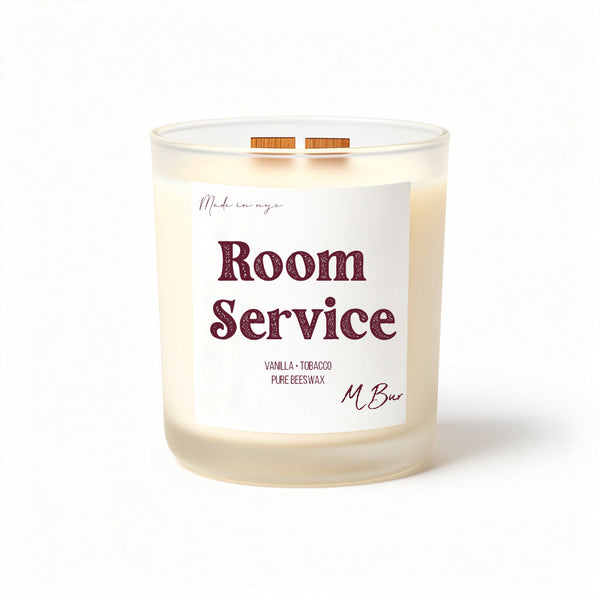
Finding a candle that actually smells good without triggering a headache or exposing your baby to toxins can feel impossible. MBur candles are made with single ingredient pure beeswax and wooden wicks that crackle softly without producing black soot.
The Wine Down candle is specifically crafted for those quiet moments after the baby finally falls asleep. It features soothing notes of fragrant lavender, invigorating camphor, soothing chamomile, aromatic sage, and refreshing rosemary.
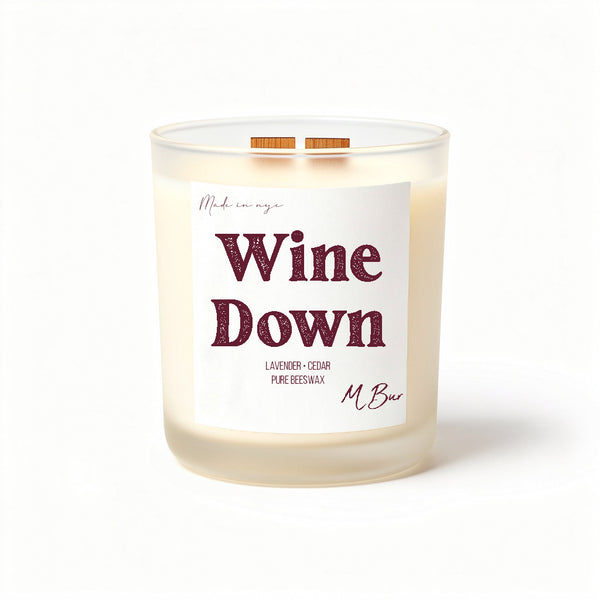
Absolutely loved the Wine Down candle! The scent is so light and clean, not overpowering at all, which is exactly what I look for. A lot of other candles tend to give me headaches, but this one was a total game changer. I was able to enjoy the calming aroma without any discomfort. It made my space feel cozy and refreshed at the same time. I will definitely be purchasing it again. Highly recommend if you are sensitive to strong scents but still want something that smells amazing!
Nicole D.

Your Clean Candle Checklist
Before you light any candle in your home, verify it meets these strict safety standards.
- 100 percent pure wax: Look for single ingredient beeswax. Avoid blends, which usually contain paraffin.
- Clean fragrance: Ensure the brand explicitly states their fragrances are free of phthalates and parabens.
- Safe wicks: Choose wooden wicks or cotton wicks completely free of lead and zinc.
- No chemical dyes: Dyes introduce unnecessary heavy metals and toxins into the flame.
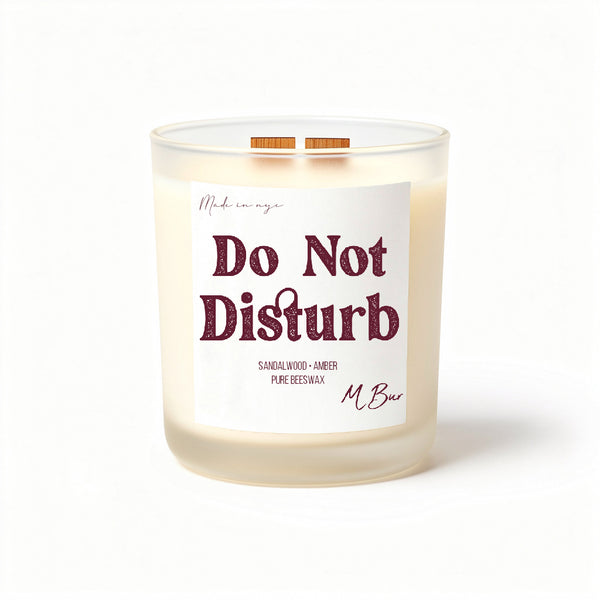
If you want a versatile scent for your bedroom or nursery, the Do Not Disturb candle offers a beautifully balanced profile. It blends fresh ripening fruit, bright citrus, and delicate flowers to create a soothing atmosphere without overwhelming your senses.
Practical Tips for Burning Candles While Nursing
Even the cleanest candle requires proper usage to keep your indoor air pristine. Keep these practical guidelines in mind.
Always burn candles in well ventilated rooms. Open a window slightly or keep the door ajar to allow fresh air to circulate and prevent any scent from becoming too concentrated. Newborns recognize their mother by smell within the first few days of life. Overpowering room scents can mask your natural smell and interfere with their feeding cues.
Trim your wooden wick to one eighth of an inch before every single burn. This prevents the flame from growing too large and ensures a clean, even melt pool. Keep the candle on a high shelf completely out of reach of curious toddlers, and never leave an open flame unattended.
Frequently Asked Questions
Do fragrances in candles pass into breast milk?
Yes, certain chemical compounds can. Phthalates used in toxic fragrances are lipophilic and can metabolize into breast milk. Choosing candles with clean fragrance oils free of phthalates eliminates this specific risk.
Can scented candles interfere with my baby's ability to latch?
Strong projecting scents can mask your natural body odor. Since newborns rely heavily on smell to locate the breast for feeding, heavily fragranced rooms might cause temporary confusion or fussiness during nursing sessions.
Which essential oil scents are unsafe while breastfeeding?
You should avoid clary sage, as it can reduce milk supply. Birch and sweet birch oils are also highly toxic to infants and should never be diffused or burned in a nursery. Always check the exact scent notes before purchasing.
How long should I burn a candle in the nursery?
Limit burn times to two or three hours maximum, and always ensure the room has adequate airflow. Extinguish the candle well before bringing the baby into the room for sleep.
Final Thoughts on Breastfeeding and Candles
You do not have to give up your evening relaxation rituals just because you are nursing. By understanding which ingredients cross into your milk and which ones stay out, you can make informed choices that protect your baby while keeping your home smelling incredible.
Pure beeswax candles with clean fragrance oils offer the safest, longest lasting burn available. Our customers consistently rate our candles five stars for their clean burn and beautiful scent throw without the headaches associated with standard brands.
Explore our full beeswax candle collection to find your new favorite nursing safe scent today.
Related reading

