

Best Candles for Thyroid Conditions: What to Avoid and Why
Managing a thyroid condition means watching what you eat and how you sleep. The air you breathe indoors matters just as much. The candles sitting on your coffee table might be working against your health. Endocrine disruptors are everywhere in modern homes. Research shows that phthalates and volatile organic compounds can interfere with hormone regulation. If you love the ambiance of a lit candle but worry about the chemical load in your living room, your concern is completely valid.
We will break down exactly which candle ingredients act as endocrine disruptors, why the word fragrance on a label is a massive red flag, and how to find genuinely thyroid friendly candles. You can skip straight to our full beeswax candle collection if you already know you want a clean burn.
The Wax Breakdown: Paraffin vs Soy vs Beeswax
The wax base dictates the baseline toxicity of your candle. Most commercial candles rely on paraffin, which is literally petroleum waste. When it burns, it releases volatile organic compounds like benzene and toluene. These are recognized for their toxicity and potential endocrine disrupting effects.
Soy wax gets a lot of marketing hype, but it rarely solves the problem. Most soy candles on the market are actually blends containing paraffin. Even a pure soy candle requires heavy chemical processing to turn beans into wax. Brands then mask the natural bean smell with heavy doses of toxic fragrance.
Beeswax is the oldest candle material, used for roughly five thousand years. It remains the cleanest burning option available. Because of its high melting point, beeswax burns slower and cooler than paraffin or soy. This releases fewer combustion byproducts overall.
Here is how the main wax types compare when it comes to indoor air quality.
| Wax Type | Source | Burn Quality | Endocrine Disruptor Risk |
|---|---|---|---|
| Paraffin | Petroleum waste | High soot, releases volatile organic compounds | High |
| Soy Blend | Soybean oil mixed with paraffin | Moderate soot | Moderate to High |
| 100 Percent Beeswax | Natural honey byproduct | Soot free, clean | Very Low |
The Real Risk Factors Hiding in Your Scent
The wax is only half the story. The real danger for thyroid health hides in the scent.

The word fragrance on a label is a massive legal loophole. It allows companies to hide hundreds of undisclosed chemicals. This includes phthalates like DEP and DBP. Manufacturers use phthalates as fixatives to make the scent last longer. The catch is that these chemicals are known endocrine disruptors. The National Institute of Environmental Health Sciences notes that cumulative exposure to these chemicals is a widespread concern. Subtle but sustained exposure can influence thyroid function, metabolism, and stress regulation over time.
Other hidden risks include metal core wicks and chemical dyes. Lead or zinc wick cores release heavy metals into the air when burned. Artificial dyes add unnecessary combustion byproducts to your living space. These ingredients are entirely avoidable.
The Clean Candle Checklist
Finding nontoxic candles requires reading past the front label. You need a strict checklist for choosing a clean candle.
Look for a single ingredient wax and ensure the fragrance is completely free of phthalates. Check for wooden wicks and avoid any candle with artificial dyes.
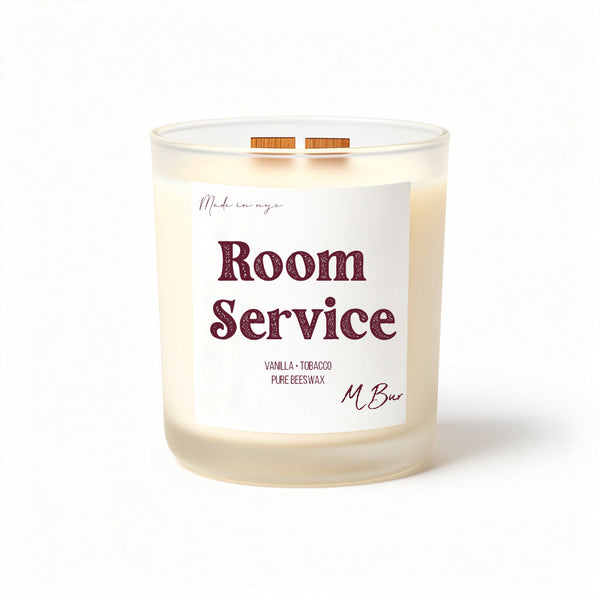
MBur checks every single box. We use pure beeswax in every candle we make. There are no paraffin fillers and no chemical dyes. Our fragrance oils are strictly nontoxic and free of phthalates.
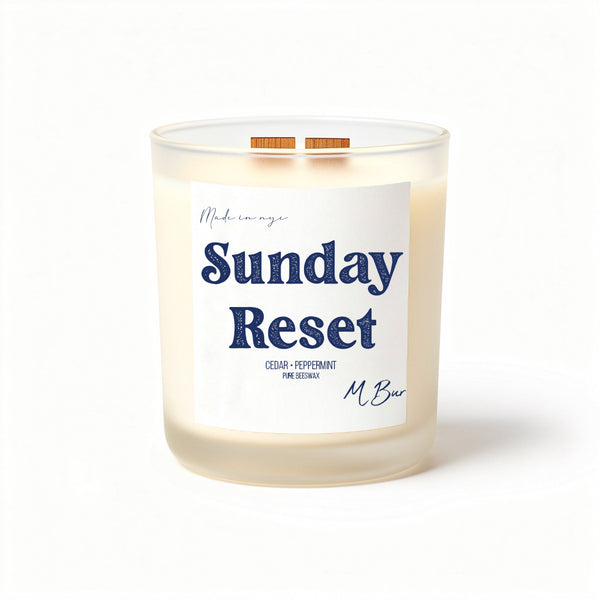
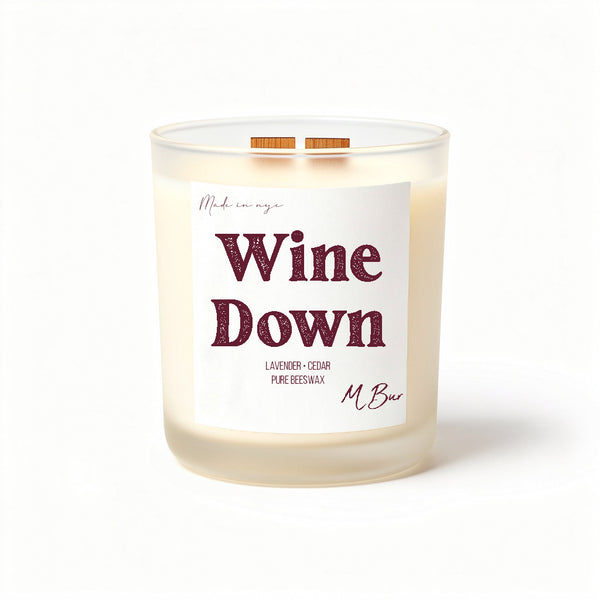
If you want a crisp, clean atmosphere without the chemical headache, the Sunday Reset candle features refreshing peppermint and invigorating eucalyptus notes. For a relaxing evening routine, the Wine Down candle uses fragrant lavender and soothing chamomile to create a calming atmosphere.
Our customers notice the difference immediately. As Jason H. shared in his review:
"I absolutely love these candles! I instantly notice the difference in the air quality, in comparison to the Bath & Body scented candles. I love Bath & Body's candles but I acknowledge that it caused a slight headache and other minor respiratory discomfort. Awesome products. Totally addicted."
Practical Tips for a Cleaner Burn
Even with the cleanest ingredients, burning your candle correctly matters for indoor air quality.

Always keep a window or door ajar while burning candles. Fresh air circulation is vital, even when you are burning pure beeswax. Keep your burn sessions to a maximum of two to four hours for a reasonably sized room.
Trim your wooden wicks to one eighth of an inch before every lighting. A properly trimmed wick prevents excess smoke and ensures an even melt pool. If you have a diagnosed thyroid condition, always follow your doctor's guidance regarding environmental exposures and indoor air quality.
Frequently Asked Questions
Can candles really affect thyroid health?
Yes. Phthalates and other endocrine disruptors found in toxic fragrance can interfere with thyroid hormone regulation over time. Choosing candles free of these chemicals reduces your cumulative exposure. You can browse our nontoxic candle collection to find safer alternatives.
What is the difference between fragrance free and unscented?
Fragrance free means the product contains no added scent chemicals. Unscented products often contain masking fragrances to cover up the smell of the base ingredients. Always look for products explicitly labeled as free of added fragrance or scented only with safe essential oils and nontoxic fragrance oils.
Are expensive candles safer?
Not necessarily. A candle selling for eight dollars that claims sixty hours of burn time is almost certainly cutting corners. Phthalates are cheap. High quality beeswax, wooden wicks, and nontoxic fragrance are not. Price alone does not guarantee safety, but extremely cheap candles are a major red flag.
Is one scented candle harmful?
The real risk comes from chronic, cumulative exposure rather than a single event. Lighting a toxic candle every evening for months builds up a significant chemical load in your home environment. Switching to clean burning candles removes that ongoing risk.

The Final Takeaway
Protecting your thyroid health means paying attention to the invisible things in your environment. Swapping out paraffin and toxic fragrance for pure beeswax and nontoxic scent is a simple change that makes a massive difference in your daily air quality.
We highly recommend clearing out the petroleum wax and upgrading to a cleaner burn. You can explore our full beeswax candle collection to find your new favorite scent. Our candles hold a 5 star rating across hundreds of reviews from customers who refuse to compromise on clean ingredients.
Related reading
- What Makes a Candle Non Toxic? How to Spot the Real Thing
- Discover the Benefits of Non Toxic Candle Fragrance Oils: Enhancing Your Space without Harmful Chemicals
- Why Paraffin Free Candles Are a Must Have for a Healthier Home
- Do Scented Candles Make Your Head Spin? Understanding the Potential Headache Triggers

