

Best Candles for People on Oxygen Therapy at Home: Clean Burning and Safety Tips
The moment the oxygen concentrator arrives at your house, the cozy evening candle ritual abruptly ends. Your respiratory therapist likely handed you a strict list of safety rules, and open flames sit right at the top. It is entirely valid to mourn the loss of that warm, flickering ambiance and your favorite scents. You still want your home to smell incredible and feel relaxing.
This guide breaks down the exact science behind oxygen therapy safety, explains why your favorite clean burning candles still pose a risk in the therapy room, and shows you how to safely bring natural candles for health and wellness back into the rest of your home. You can browse our full beeswax candle collection to find the perfect scent for your oxygen free living spaces.
Why Oxygen and Flames Do Not Mix
Supplemental oxygen is a life changing medical treatment. It also fundamentally changes the physics of the room it occupies. Oxygen acts as a powerful oxidizer that aggressively accelerates combustion instead of burning on its own.
When concentrated oxygen saturates the air, it also settles into fabrics, hair, and upholstery. Materials that normally burn slowly will ignite instantly and burn with explosive intensity. A tiny spark or a small candle flame can trigger a severe fire in seconds. This saturation effect is why the danger zone extends far beyond the immediate vicinity of the machine.
Medical guidelines from organizations like the COPD Foundation and OSF Healthcare universally mandate keeping oxygen equipment at least eight feet away from any open flame. This includes gas stoves, fireplaces, and candles. The risk is simply too high to ignore.

The Clean Candle Myth in Oxygen Rich Environments
Many people search for clean burning candles hoping a better wax will solve the problem. You might read about natural candles for health and assume a pure beeswax candle is safe to use near an oxygen machine.
The wax type leaves the fire hazard completely unchanged. A 100 percent pure beeswax candle with a wooden wick burns beautifully and leaves zero black soot on your walls. It is vastly superior to paraffin wax, which is a petroleum byproduct that releases toxic fragrance compounds and volatile organic chemicals into your indoor air.
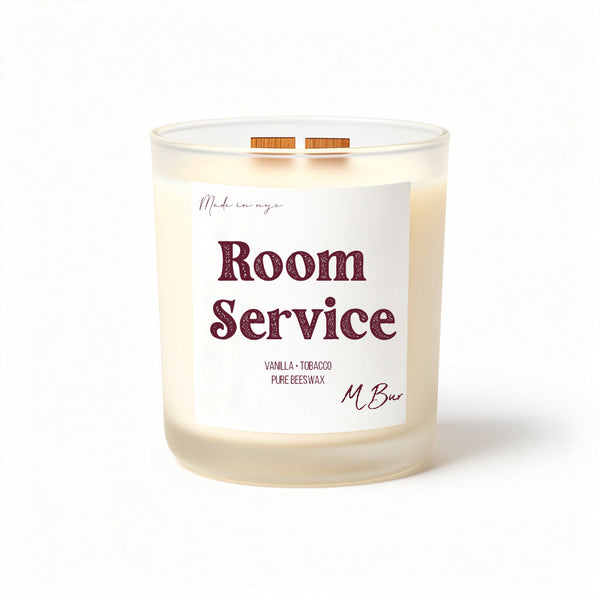
But a clean burn is still a burn. An open flame is an open flame. In an oxygen rich environment, the cleanest candle in the world is still a severe ignition risk. The priority in the room where you use your concentrator must be absolute flame elimination.
Safe Scent Solutions for the Therapy Room
You still want the room where you rest and receive therapy to smell fresh and calming. Since open flames and aerosol propellants are strictly prohibited near oxygen, you need completely flameless alternatives.
Simmer pots are a fantastic option. You simply fill a small saucepan with water, add sliced citrus, cinnamon sticks, and fresh rosemary, and let it gently warm on the stove in the kitchen. The steam carries the natural scent through the house without introducing any flammable propellants or open flames into the bedroom.
Dried botanical sachets tucked into drawers or placed on a nightstand also provide a subtle, continuous fragrance. Lavender buds or dried eucalyptus leaves offer a sensory experience without altering the air chemistry or posing a combustion risk.
Enjoying Candles in Oxygen Free Zones
When you move to the living room, kitchen, or dining area, spaces completely separate from your oxygen equipment, you can safely return to your candle ritual. This is where investing in high quality, non toxic fragrance options makes a massive difference for your indoor air quality.
Our Wine Down candle is a perfect choice for these oxygen free relaxation zones. It features notes of fragrant lavender, invigorating camphor, soothing chamomile, aromatic sage, and refreshing rosemary.
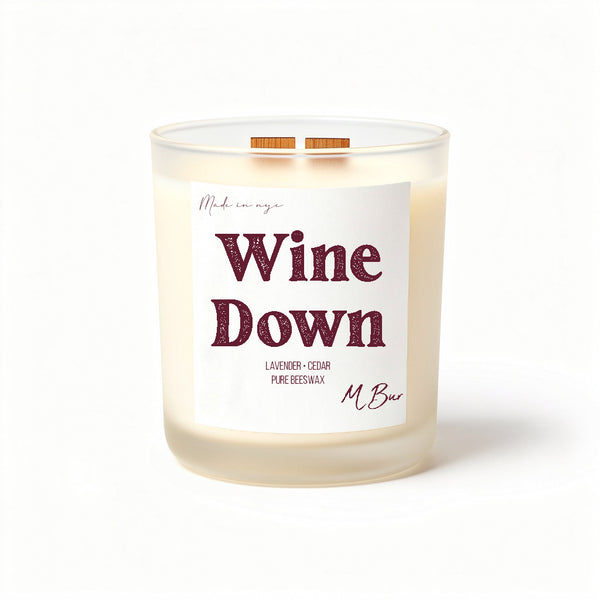
One of our customers, Nicole D., shared her experience with this exact scent.
"Absolutely loved the Wine Down candle! The scent is so light and clean, not overpowering at all, which is exactly what I look for. A lot of other candles tend to give me headaches, but this one was a total game changer. I was able to enjoy the calming aroma without any discomfort. It made my space feel cozy and refreshed at the same time. I will definitely be purchasing it again. Highly recommend if you are sensitive to strong scents but still want something that smells amazing!"

Creating a sanctuary in the rest of your home requires paying attention to what you are actually burning. Most commercial candles use paraffin wax and toxic fragrance oils containing phthalates and parabens. These ingredients release soot and chemical irritants that can bother your respiratory system, which is the last thing you need when managing a lung condition.
Choosing natural candles for health means looking for single ingredient waxes and transparent ingredient lists. Pure beeswax has the highest melting point of any candle wax, giving you an incredibly long, slow burn. Our largest size offers up to 80 hours of burn time, meaning you spend less time replacing candles and more time enjoying your space.
Pairing that pure beeswax with a crackling wooden wick and phthalate free fragrance oils ensures your living room smells like a luxury spa without compromising your indoor air quality. Always ensure the room is well ventilated and the candle is placed on a stable, heat resistant surface far away from drafts or oxygen tubing.
Frequently Asked Questions About Oxygen Therapy and Candles
Can I burn a candle in the same room while using oxygen therapy?
No. Medical professionals strongly advise against using any open flame in the same room as active oxygen therapy equipment. The concentrated oxygen creates a severe fire hazard. You can explore our full beeswax candle collection for safe use in completely separate, well ventilated rooms.
How far away do I need to be from a candle while using oxygen?
Guidelines generally recommend keeping oxygen equipment at least eight to ten feet away from any open flame or heat source. However, the safest approach is to keep the flame in an entirely different room to prevent any accidental ignition or oxygen saturation overlap.
Are scent diffusers or wax melts safer than candles for oxygen therapy?
Electric wax warmers and ultrasonic essential oil diffusers eliminate the open flame, making them generally safer than traditional candles. You must still ensure the electrical cords are in good condition and the devices do not overheat. Always verify with your respiratory therapist before introducing new electrical devices near your concentrator.
Does the type of candle wax make oxygen therapy use safer?
The wax type does not mitigate the fire risk of an open flame near concentrated oxygen. While pure beeswax is much cleaner for your indoor air quality than paraffin, it still requires a lit wick. Reserve all lit candles for rooms where oxygen is not stored or in use.

Bring Clean Scents Back Into Your Home
Navigating home oxygen therapy requires adjusting your daily habits while allowing you to maintain a beautifully scented, relaxing home. By keeping the therapy room strictly flame free and reserving clean, non toxic candles for your living spaces, you protect your health while maintaining your sanctuary.
We highly recommend stocking up on pure beeswax options for your oxygen free zones to ensure the cleanest possible burn. Browse our full beeswax candle collection to find your new favorite scent for the living room.
With thousands of five star reviews from customers who love our clean ingredients and long lasting burn times, you can trust that your home will smell incredible and feel completely relaxing.
Find your perfect clean burning scent today.
Related reading

