

Best Candles for Engorgement: Calm and Comfort During Postpartum Recovery
Breast engorgement is the swollen, rock-hard, aching feeling that shows up in the first days after birth. Your breasts fill with milk, blood, and fluid faster than your body can manage. It can hurt to move, to hold your baby, even to breathe deep. This is a real medical thing, and no candle fixes it.
What a calming scent can do is help you relax while the actual remedies do their work. Feeding often, cold compresses, and gentle care are what ease engorgement. A soft, clean-burning candle just makes the recovery room feel less clinical, which is why a lot of new parents reach for one of our pure beeswax candles during those long, tender first weeks. Please follow your doctor's or lactation consultant's guidance first.

First, what engorgement actually is
Engorgement usually starts two to four days after delivery. More than two-thirds of people feel it by day five. Your milk "comes in" and the extra blood and fluid make everything swell.
For most people it passes fast, often within 24 to 48 hours if you feed regularly. Early postpartum engorgement tends to ease by about two weeks. It is uncomfortable, but it is normal.
It can happen even if you are not breastfeeding. Hormone shifts after delivery trigger milk production no matter what. That surprises a lot of new parents.
Why a candle cannot treat it, and what actually can
Here is the part people miss. Engorgement is a physical buildup of fluid. Relief comes from moving that fluid and easing the swelling. Scent does none of that.
The real fixes are simple and well studied. Cold compresses between feeds calm swelling. A short warm compress before a feed helps milk flow. Frequent feeding keeps the pressure from building.
Here is the honest version of the steps, from the ones you may already know to the one people skip.
- Feed often. Aim for at least 8 to 12 nursing or pumping sessions a day, especially early on.
- Cold between feeds. Wrap a cold pack in a thin cloth. Place it on your breasts for 10 to 20 minutes. Never put ice straight on skin.
- Short warmth before feeds. A warm compress for just 3 to 5 minutes helps milk let down. Too much heat backfires and makes swelling worse.
- Do not over-empty. Draining fully signals your body to make even more milk. That can make engorgement worse.
- Ask about pain relief. Providers often say ibuprofen is helpful and safe for a breastfed baby. Confirm with your own doctor.
You can read a clear breakdown of engorgement care from the American Academy of Pediatrics. That is the medicine. The candle plays a different role.

Where a calming candle actually fits in
Recovery is not only physical. The first weeks are exhausting and tender and strange. Stress makes everything feel heavier.
A gentle, clean scent can make your feeding corner feel calm instead of sterile. It gives your nervous system one small nice thing to notice. That matters when you are up at 3 a.m. and sore.
The catch is that many candles work against you here. A room full of heavy, headache-inducing scent is the last thing a recovering body needs. So the type of candle matters more than the mood you want.
The real risk in most scented candles
Many candles are made from paraffin, which is a petroleum byproduct. When it burns, paraffin can release compounds like benzene, toluene, and formaldehyde. That is fine to avoid, especially around a newborn.
The bigger issue is what gets added for scent. Lots of candles use toxic fragrances that contain phthalates and parabens. Heavy loads of these can trigger headaches and make a room feel stuffy.
Cheap wicks and chemical dyes add soot and more junk into the air. For a postpartum space, that is exactly what you do not want. The good news is you can skip all of it.
What to look for in a postpartum-safe candle
Use this quick checklist when you shop. A clean candle should tick every box.
- 100% beeswax, not a paraffin blend. Beeswax burns clean with no petroleum soot.
- Phthalate-free fragrance so the scent stays soft, not sharp.
- No chemical dyes.
- A cotton or wooden wick, never a metal-core wick.
- Naturally hypoallergenic wax for sensitive noses.
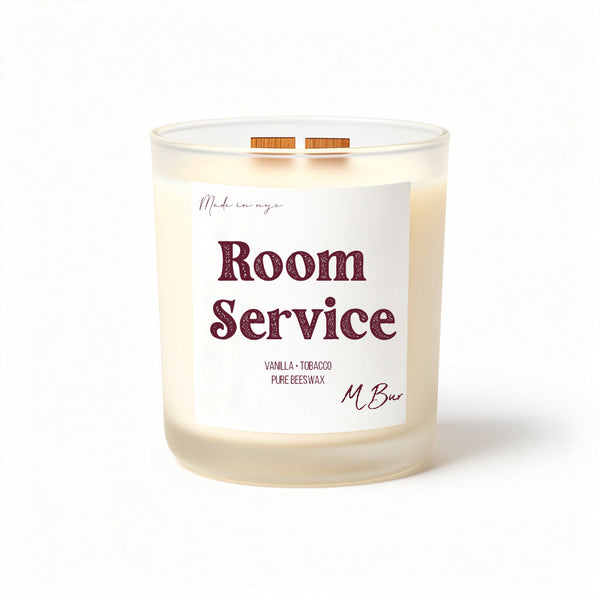
MBur checks every one of these boxes. Our candles are 100% beeswax, made by hand in New York City, with wooden wicks and phthalate-free fragrance. Beeswax also has the highest melting point of any candle wax, so an 80-hour size lasts through weeks of quiet nights.
For a soft, sleepy scent near the nursery, our Do Not Disturb candle leans calm and low-key, with bergamot and pear that never overwhelm a room. The 40-hour size is $32 and the 80-hour size is $65.
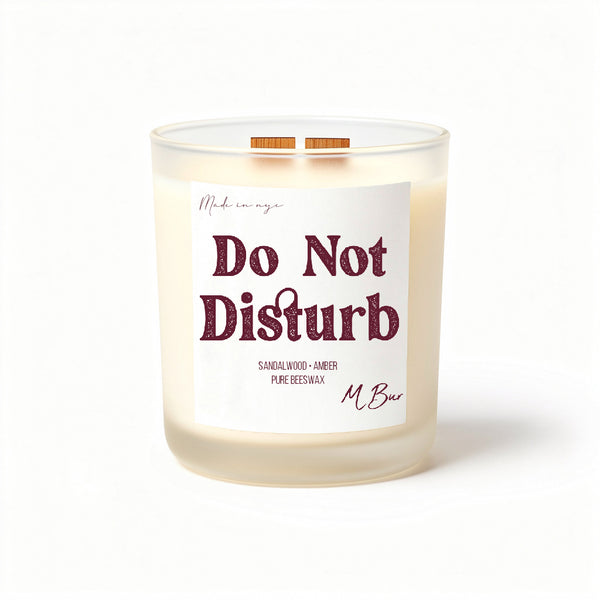
"I love the scent of this candle. It is lovely not overpowering. It's soothing fragrance more than covers my bedroom and bathroom. It is aromatherapy at its best. I also love getting fragrance samples with my order." Dawne Forrest
That "not overpowering" note is the whole point during recovery. You want gentle, not a scent bomb.
A softer, cleaner option if strong scent bothers you
Some new parents get headaches from any strong candle. If that is you, reach for a light, clean scent and keep it across the room, not right beside you.
Our Wine Down candle is a gentle pick, with lavender, chamomile, sage, rosemary, camphor, cedar, and sandalwood. It reads soft and green rather than sweet or heavy. The 40-hour size is $32.
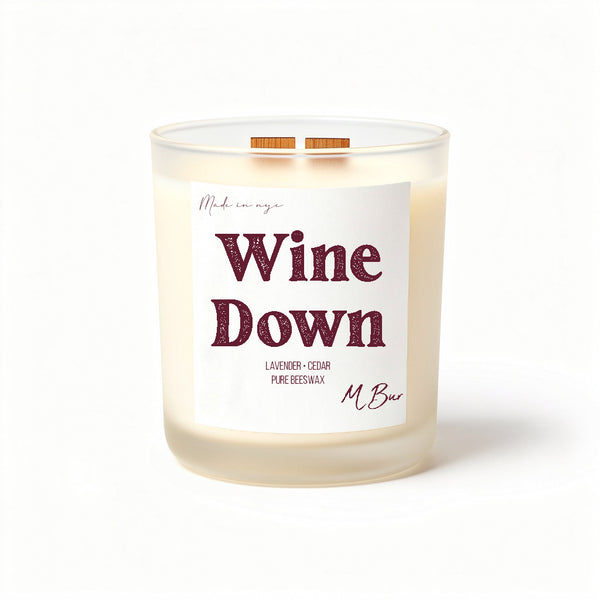
"Absolutely loved the Wine Down candle! The scent is so light and clean not overpowering at all, which is exactly what I look for. A lot of other candles tend to give me headaches, but this one was a total game-changer. I was able to enjoy the calming aroma without any discomfort." Nicole D.
Plenty of clean-leaning brands exist too, like Boy Smells or P.F. Candle Co., known for their design-forward style. Beeswax stays our pick for the cleanest burn around a recovering body and a newborn.
How to burn a candle safely near a baby
A few simple habits keep the whole thing safe and clean.
- Trim the wick to about a quarter inch before each burn. This cuts soot.
- Keep the flame out of reach and never leave it unattended.
- Crack a window for airflow, even a little.
- Burn in short stretches rather than all day.
- Keep it away from where you actually feed, just for peace of mind.
The candle sets the mood. The compresses and feeding do the real work.
Frequently asked questions
How long does breast engorgement last?
It usually shows up 2 to 4 days after delivery and often eases within 24 to 48 hours if you feed regularly. Early engorgement generally settles by about two weeks. A calm space helps you rest through it, and a gentle Do Not Disturb candle can make those long hours feel softer.
Can I use a candle as a warm compress for engorgement?
No. An open flame is never a safe heat source for your skin. Use a proper warm compress for 3 to 5 minutes before feeding, then keep any beeswax candle purely for calm and ambiance.
Are scented candles safe around a newborn?
Choose clean-burning candles and keep the scent light. Beeswax with phthalate-free fragrance and no chemical dyes is the safest bet. Our light, low-key Wine Down candle is a good example of a soft option.
Does engorgement happen if I am not breastfeeding?
Yes. Hormone changes after delivery trigger milk production whether you nurse or not. Cold compresses and support help, and your doctor can guide you on relief.
When should I call my doctor?
If you have a fever, flu-like aches, redness, or worsening pain, call your provider. Untreated engorgement can lead to plugged ducts or mastitis. Always follow your doctor's or lactation consultant's guidance.
The bottom line
Engorgement is treated with feeding, cold compresses, gentle warmth, and your doctor's advice, never with a candle. A clean-burning candle simply makes your recovery corner feel calm while your body heals. Our customers love MBur candles for staying soft and never overpowering, with dozens of five-star reviews praising how gently they fill a room.
For that quiet, sleepy calm during the early weeks, start with the Do Not Disturb candle in the 40-hour size ($32).

