

Best Candles for COPD: What's Safe to Burn With Chronic Lung Conditions
Most people with COPD quit candles after one rough evening. Forty minutes after lighting something from a mall shop, your chest feels tight, you are coughing more than usual, and the candle goes in a drawer for good.
Paraffin soot and a heavy fragrance load are usually behind that reaction, and both vary enormously from one candle to the next. Wax type, wick material, and how the scent is built all change what ends up in the air you are breathing for the rest of the night.
Below: which waxes burn cleanest, the four ingredients that cause the most trouble for sensitive lungs, and how to burn a candle so it throws off the least particulate. If you want to jump straight to options, our full beeswax candle collection is 100 percent beeswax with wooden wicks and phthalate free fragrance.
One safety note first, because it outranks everything else here. If you use supplemental oxygen, do not burn an open flame anywhere near your equipment. Oxygen and fire are a genuine hazard, and no candle is worth that risk. Flameless options only.
Why the reaction is real
Your concern is legitimate, and you are not imagining the difference between candles. Respiratory groups including the American Lung Association have flagged heavily scented home products as a common trigger for people with chronic lung conditions.
There are three ways a candle can put irritants into your room. Paraffin combustion releases volatile organic compounds, including benzene, toluene, and formaldehyde. Soot adds fine particulate that hangs in the air and settles on your walls. And toxic fragrance formulations carry chemical irritants that have nothing to do with wax at all.
Notice what all three have in common. They are ingredient problems, not a candle problem. Change the ingredients and the exposure changes with them.
To be clear about what a cleaner candle does and does not do: burning beeswax will not treat, manage, or improve COPD. The only claim worth making is that a single ingredient wax with a wooden wick and phthalate free fragrance is less likely to irritate. If you have a diagnosed lung condition, follow your doctor's guidance on what belongs in your home.

Paraffin vs soy vs beeswax, side by side
Paraffin is a petroleum byproduct, full stop. It is cheap, it holds a huge amount of fragrance oil, and it is what most mass market jar candles are made of. It also produces the most soot of any common candle wax. For anyone with compromised lung function, it is the first thing to cut.
Soy is a real improvement, with one catch. A lot of candles labeled "soy" are actually a soy and paraffin blend, and the label rarely says so. Soy also needs a lot of fragrance to throw scent, and if that fragrance is a toxic formulation, you have swapped one irritant for another.
Beeswax is the outlier. It occurs naturally, it needs no chemical processing, and it has the highest melting point of any candle wax, which is why it burns slowest and coolest. It is also naturally hypoallergenic, and it happens to be the oldest candle material on earth, in use since roughly 5,000 BCE.
| Wax | What it is | Soot and VOCs | Verdict for sensitive lungs |
|---|---|---|---|
| Paraffin | Petroleum byproduct | Highest. Releases benzene, toluene, formaldehyde | Skip it |
| Soy | Hydrogenated soybean oil, often blended | Lower than paraffin, but blends reintroduce it | Only if labeled 100 percent soy |
| Beeswax | Naturally occurring, no chemical processing | Lowest. Cleanest burn of the three | Best starting point |
One more small thing in beeswax's favor: it gives off light closer to natural sunlight than any other wax, which is why the room looks warmer at a lower flame.
The four things that actually irritate sensitive lungs
1. Toxic fragrance
The word "fragrance" on a label can stand in for a long list of undisclosed compounds, including phthalates and parabens. This is the single biggest variable in how a candle affects you. If a brand does not say phthalate free, assume it is not.
2. Metal core wicks
Some cheap wicks use a metal core for rigidity, which can release trace metals as it burns. Cotton and wood only.
3. Paraffin soot
That gray film on the jar rim and the shadow above your candle shelf is fine particulate. If you can see it on the wall, it has been in the room with you.
4. Chemical dyes
Color in wax serves no functional purpose and adds another compound to the burn. Beeswax comes out a natural warm gold on its own.

What people who react to candles say after switching
Scent sensitivity is the most common reason customers find us, and the feedback is pretty consistent. Wine Down comes up over and over with that group. It is a calm, spa leaning scent that stays light in the room rather than filling it with a wall of fragrance.
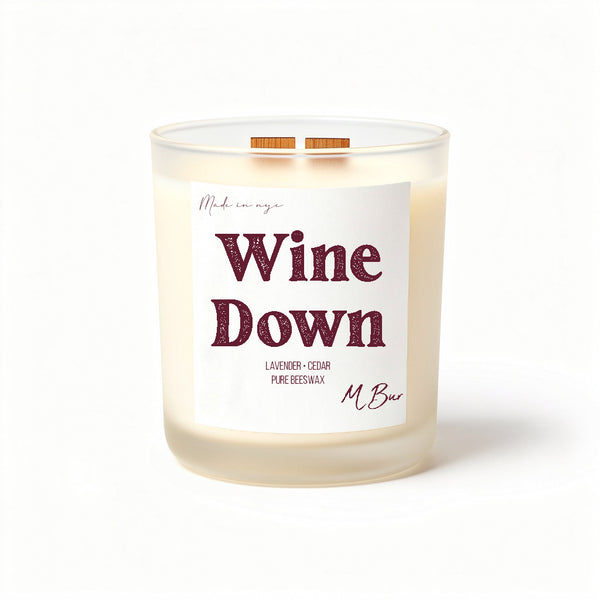
"Absolutely loved the Wine Down candle! The scent is so light and clean, not overpowering at all, which is exactly what I look for. A lot of other candles tend to give me headaches, but this one was a total game changer. I was able to enjoy the calming aroma without any discomfort. Highly recommend if you're sensitive to strong scents but still want something that smells amazing!"
Nicole D.
Wine Down starts at $20 for the 20 hour size, which is a reasonable way to test how your lungs respond before committing to anything larger.
A checklist for choosing a COPD friendly candle
Print this, screenshot it, whatever works. Run any candle through it before it comes into your house.
- 100 percent beeswax or 100 percent soy, with the word "blend" nowhere on the label
- Wooden or cotton wick, never metal core
- Fragrance explicitly stated as phthalate free, or unscented
- No chemical dyes
- A brand that will actually tell you what is in it when you ask
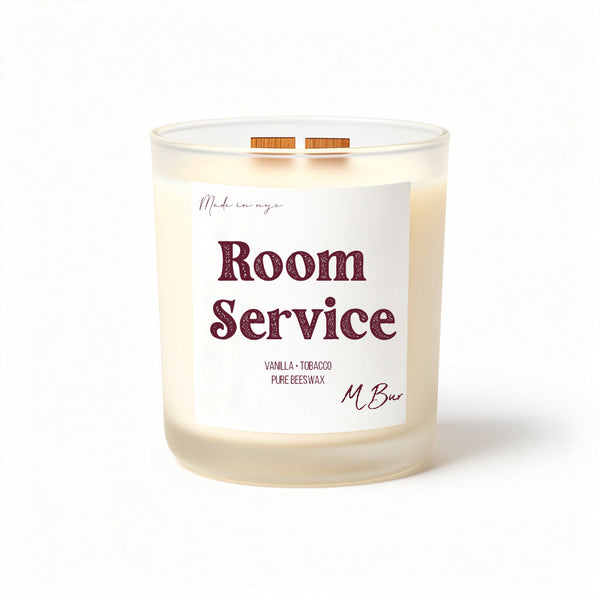
Every MBur candle clears all five. Single ingredient beeswax, wooden wick, phthalate free fragrance, no dyes, handmade in small batches in Manhattan. The 20 hour size is $20 and the 80 hour size is $65, and the burn time is real because beeswax's high melting point makes it last longer than any other wax.
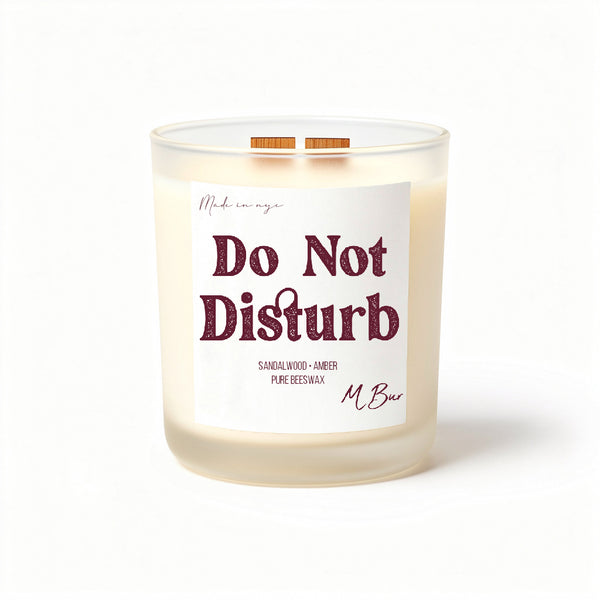
For a bedroom, where you are breathing the same air for eight hours, Do Not Disturb is the one to look at. Bright and fresh rather than dense and sweet, which tends to sit better with people who find heavy scents oppressive. Blow it out before you fall asleep, always.
Two other brands worth knowing
If total fragrance avoidance is where your doctor has landed you, unscented beeswax is a legitimate answer and we would rather you find the right candle than the right brand.
Bluecorn Beeswax makes straightforward unscented pure beeswax pillars and tapers. depending on size. Good option if you want the light and the clean burn with zero added scent.
Big Dipper Wax Works has been pouring beeswax candles in Seattle since 1994, with cotton wicks and no added fragrance in their pure line. depending on size and style.

How to burn it so it stays clean
Even the cleanest candle can be burned badly. Four habits that cut particulate:
Ventilate. Crack a window or run the room fan. Steady air movement keeps anything from concentrating.
Trim the wick. Snap or trim a wooden wick to about an eighth of an inch before every single burn. A long wick makes a tall, unstable flame, and a tall flame makes smoke.
Cap your burn time. Two to four hours, then out. Longer sessions overheat the wax and the wick.
Snuff, do not blow. Blowing it out sends a plume of smoke straight into the room. A lid or a snuffer skips that entirely.
Questions people ask
Can people with COPD burn candles at all?
That is a question for your pulmonologist, and the answer depends on your severity and your triggers. If you are on supplemental oxygen, the answer is no because of the fire risk. For everyone else, the ingredient checklist above is what determines whether a candle is worth trying. Start small with a 20 hour size from the beeswax collection rather than a large one.
Are unscented candles always the safest choice?
Unscented removes one variable, which helps if fragrance is your known trigger. But an unscented paraffin candle still produces soot and VOCs, so the wax matters just as much as the scent. Unscented beeswax is the most conservative option available.
Do essential oil candles beat fragrance oil candles for lung conditions?
Not automatically. Essential oils are still volatile compounds, and some are strong irritants at high concentration. What matters is whether the fragrance is phthalate free and how heavily it is loaded into the wax. We use phthalate free fragrance oils and keep the load moderate, which is why customers describe our candles as noticeable rather than overwhelming.
What is a good first candle if I have no idea how I will react?
Something light. Wine Down in the 20 hour size at $20 is the most common starting point for scent sensitive customers, burned in a ventilated room for an hour or two the first time.
The short version
Cut paraffin, cut metal core wicks, and only burn fragrance a brand will describe as phthalate free. A 100 percent beeswax candle with a wooden wick clears all three at once, which is why it is the best default for anyone managing a chronic lung condition. Keep decisions about your own triggers between you and your doctor.
If you are starting from scratch, the 20 hour size is the low commitment way in.
"Candle burned slowly and was exactly the amount of hours the company said it would burn."
Portia Darby
Browse the full beeswax candle collection
Related reading

