

Beeswax vs Soy vs Paraffin: The Three-Way Wax Showdown for 2026
Beeswax vs Soy vs Paraffin: The Three-Way Wax Showdown for 2026
Beeswax, soy, and paraffin are the three waxes that cover almost every candle you will encounter. They differ on processing, emissions, burn time, scent throw, and sustainability, and the differences matter more than most candle marketing suggests. This is the full three-way comparison for 2026.
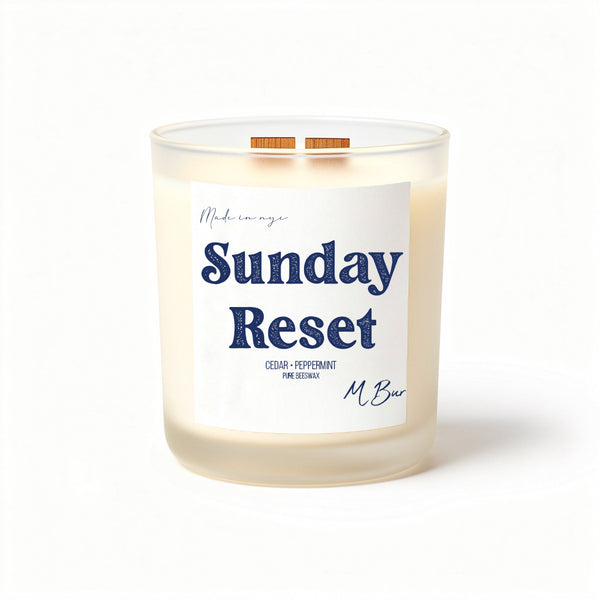
Browse the full MBur beeswax candle collection to see beeswax in practice.
The Quick Answer
Beeswax is the cleanest, longest-burning, and most minimally processed of the three. Soy is plant-based, vegan, and cleaner than paraffin, but it is frequently blended with paraffin so check the label. Paraffin is the cheapest and has the strongest scent throw out of the box, but it releases benzene, toluene, and more soot than the other two, and it is the wax most often linked to indoor air quality concerns.
Source and Processing
Beeswax is made by bees and occurs naturally in finished form, requiring only filtering. Soy is hydrogenated soybean oil, a chemical process that converts liquid oil into a solid wax. Paraffin is a petroleum byproduct, refined from crude oil. Beeswax is the most minimally processed; paraffin is petroleum. Soy sits in the middle in terms of processing.
Emissions and Soot
Paraffin candles release benzene, toluene, and formaldehyde when burned, all documented respiratory irritants. They also produce the most soot. Soy burns cleaner than paraffin, with no petroleum byproducts and less soot. Beeswax produces the least soot of any wax and may release negative ions. For sensitive lungs or anyone managing allergies, beeswax is the clear winner.
Burn Time
Beeswax has the highest melting point of any candle wax and burns the slowest, giving the best value per hour. Soy has a moderate melting point and burns faster than beeswax. Paraffin has the lowest melting point and burns fastest. For value over time, beeswax leads.
Scent Throw
Paraffin is engineered for strong, immediate scent throw, often with phthalate fixatives that amplify projection. Soy holds fragrance well and provides strong throw. Beeswax releases scent more gradually because of its density and high melting point, which many people prefer as gentler and more even. For maximum throw, paraffin and soy lead; for clean, gradual scent, beeswax.
Sustainability
Beeswax is a renewable byproduct of beekeeping that supports pollinators when sourced responsibly. Soy is plant-based and vegan, though some commercial soy farming raises its own environmental concerns. Paraffin is a fossil fuel byproduct. Beeswax and soy are both meaningfully more sustainable than paraffin.
Comparison Table
| Factor | Beeswax | Soy | Paraffin |
|---|---|---|---|
| Source | Made by bees | Soybean oil | Petroleum byproduct |
| Processing | Minimal | Hydrogenation | Petroleum refining |
| Emissions | Cleanest | Clean | Benzene, toluene, formaldehyde |
| Soot | Lowest | Low | Highest |
| Burn time | Longest | Moderate | Shortest |
| Scent throw | Gradual, even | Strong | Strong (often via phthalates) |
| Sustainability | Renewable | Plant-based | Fossil fuel |
| Price | Highest | Moderate | Lowest |
| Often blended? | Less commonly | Frequently with paraffin | n/a |
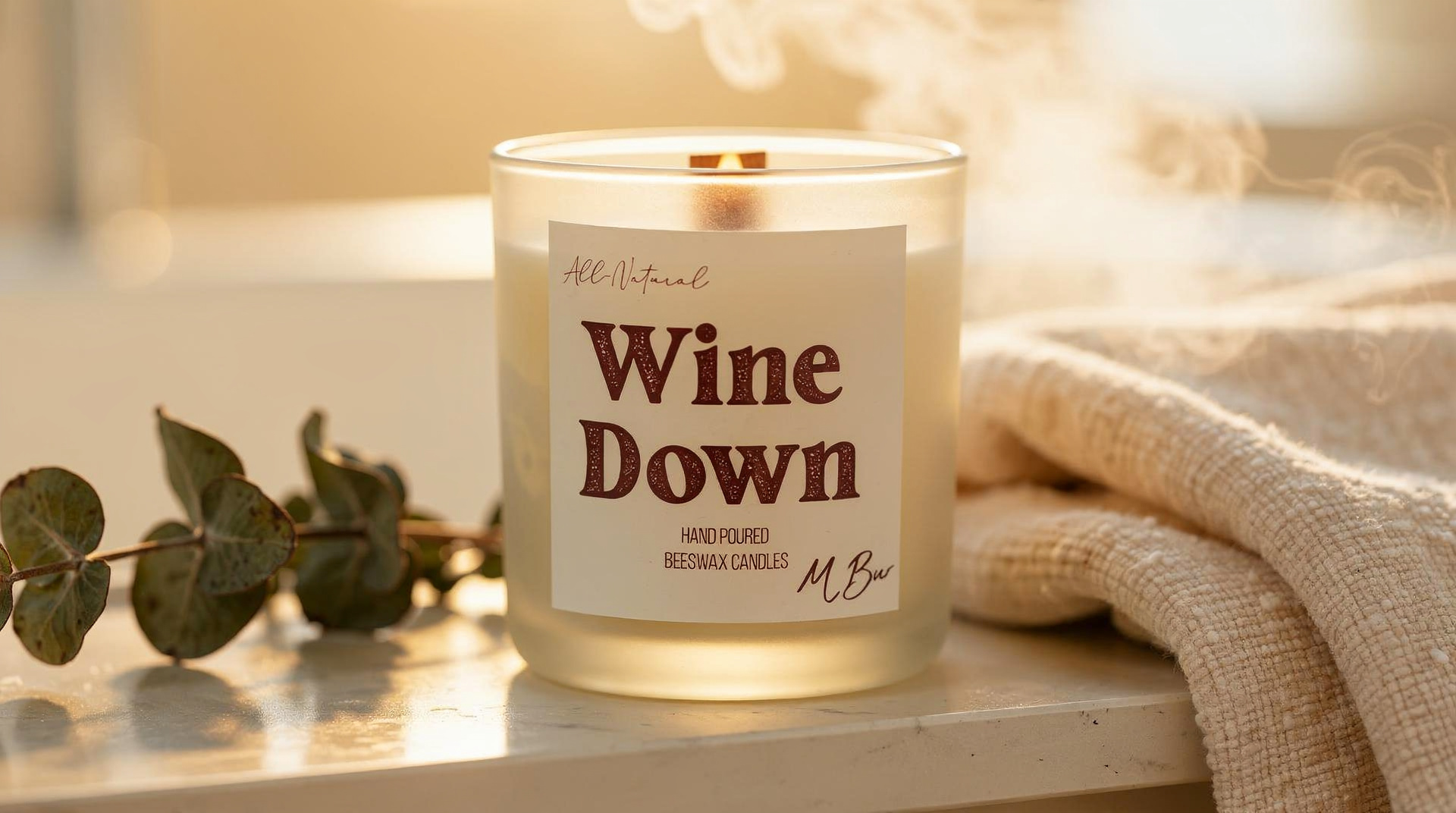
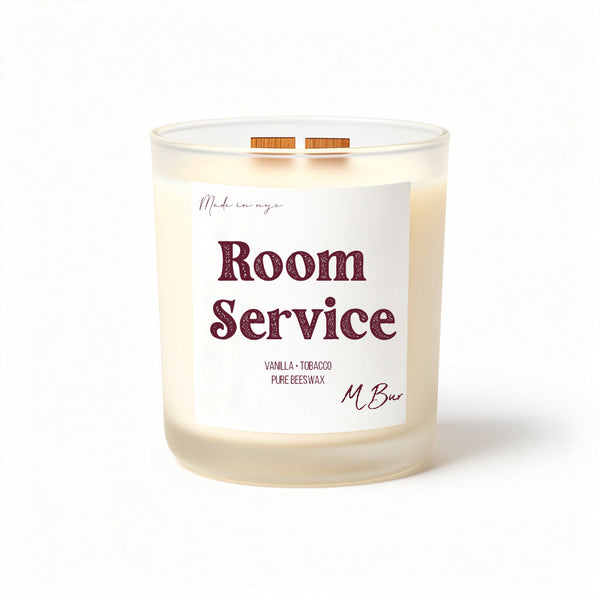
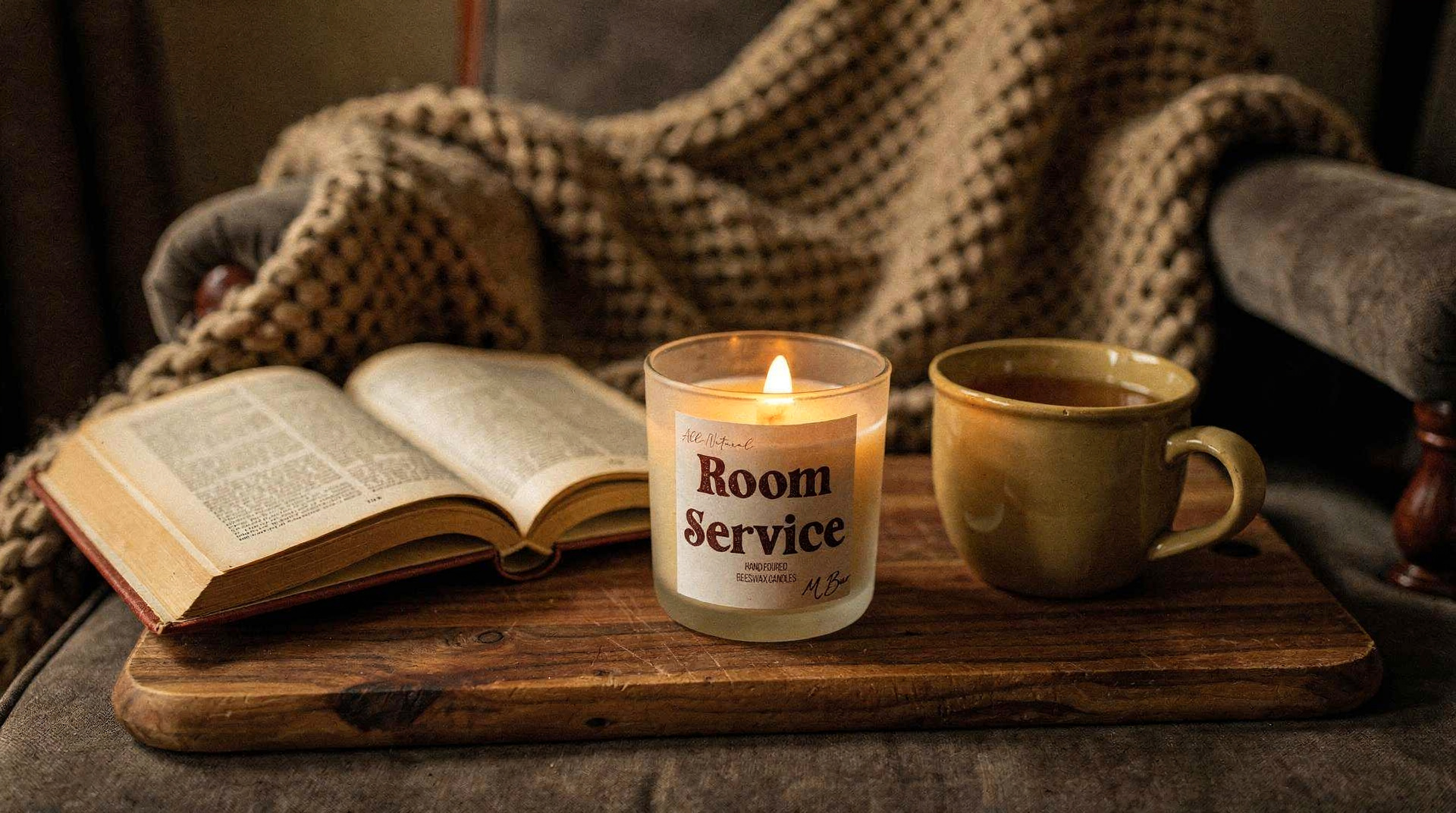
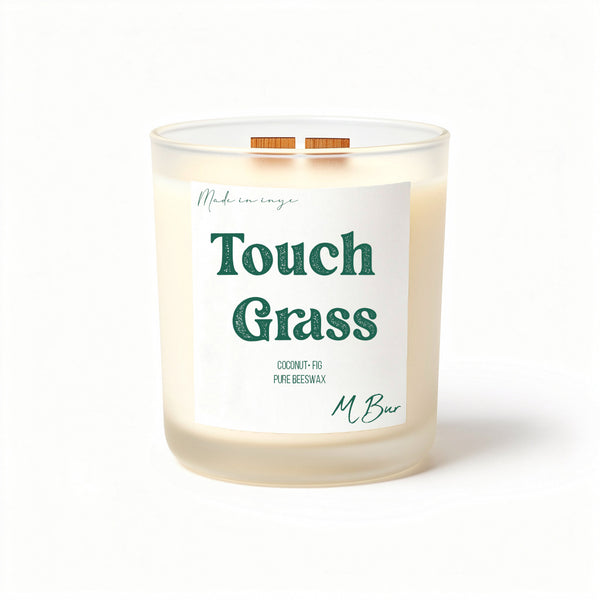
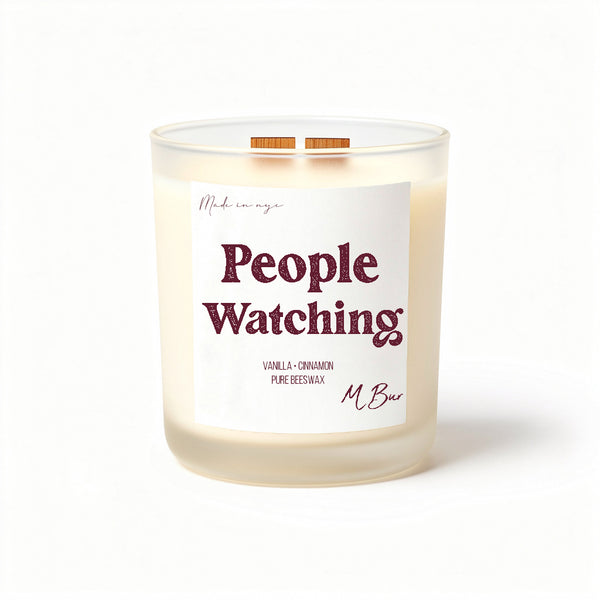
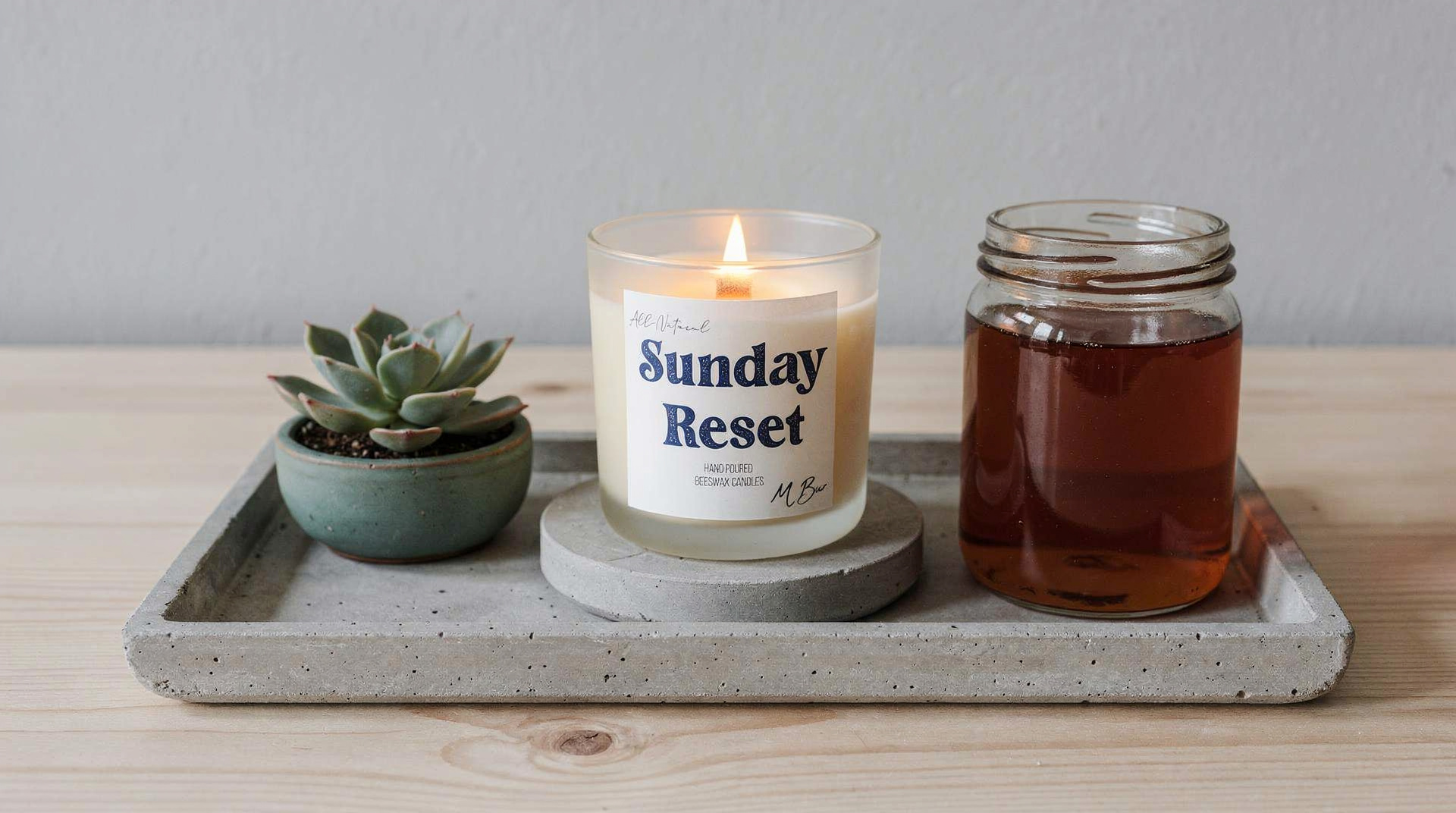
MBur uses 100% beeswax with phthalate-free non-toxic fragrance and wooden wicks. The Room Service candle is a good example of beeswax delivering strong throw without phthalates, and the Wine Down candle showcases the gentler, even side of beeswax scent.
Frequently Asked Questions
Which wax is healthiest?
Beeswax. It releases no benzene or toluene, produces the least soot, and may release negative ions that help with air quality. Soy is a reasonable second choice if it is genuinely 100% soy with phthalate-free fragrance. Paraffin is the wax most often linked to respiratory and headache concerns.
Why is paraffin still so common if it is the worst option?
It is cheap and burns with strong scent throw out of the box, which suits mass-market candle economics. The downsides (benzene, toluene, soot, shorter burn) are real but less visible at the shelf than a low price tag.
How can I tell if a soy candle has paraffin in it?
Look for "100% soy" stated explicitly. "Soy blend" or just "soy wax" without the 100% qualifier may contain paraffin. Reputable clean-candle brands state their wax composition clearly.
Is beeswax really worth the price premium?
For most people, yes. Beeswax burns longer per ounce (so cost per hour is competitive), produces the least soot, and is the cleanest option for indoor air. The premium is real but the value is real too.
The Bottom Line
Beeswax leads on air quality, burn time, and the lowest soot. Soy is a solid plant-based middle ground when 100% pure with phthalate-free fragrance. Paraffin is the wax to avoid if you care about indoor air, soot, or burn longevity. For most clean-conscious buyers, beeswax is the strongest choice; soy works if you are vegan and verify the label.
Shop the full collection of clean-burning beeswax candles
What buyers say:
Related reading:

