

Beeswax vs Soy Candles: The Complete Comparison Guide
Beeswax vs Soy Candles: The Complete Comparison Guide
The internet has opinions about candles. Very strong opinions. Ask anyone in a Facebook mom group whether beeswax or soy is superior and you'll get seventeen different answers, half of them contradictory, all of them certain.
Here's what actually matters when you're choosing between beeswax and soy candles: not the hype, but the hard facts. Burn time. Real scent throw. What you're actually putting in your home. Price per hour of burn time. Health implications that aren't wrapped in marketing language.
This comparison cuts through the noise. We've spent years working with beeswax, understanding its chemistry, and testing it against the soy alternatives that fill most retailers' shelves. Here's everything you need to know. Browse the full MBur beeswax candle collection if you want to see the product behind the data.
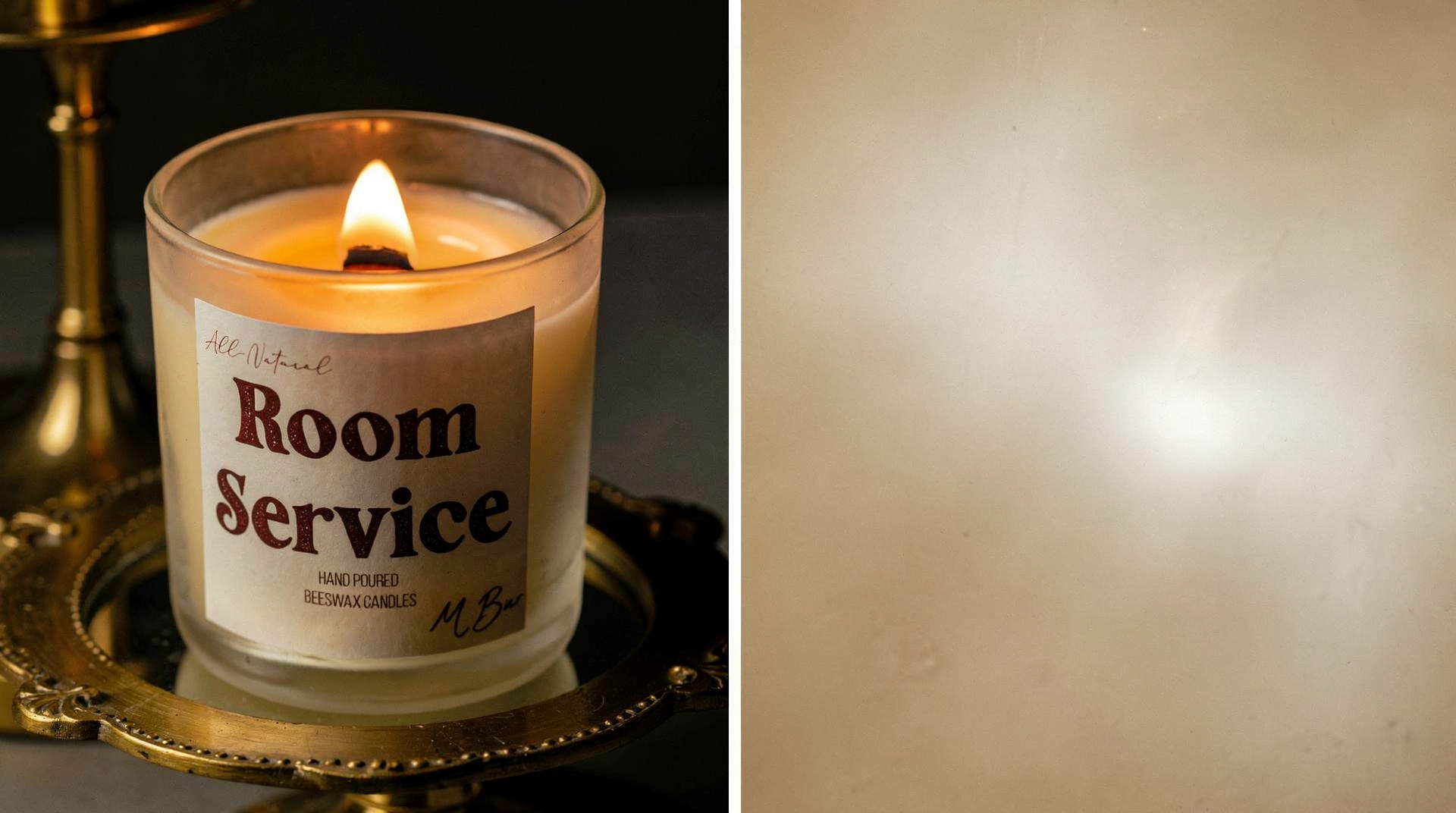
The Core Difference: What's Actually in the Wax
Beeswax and soy come from completely different places, and that matters more than marketing suggests.
Beeswax is a natural wax produced by honeybees. They secrete it from special glands to build honeycomb. When honey is harvested, beeswax becomes a byproduct. It's a single ingredient wax: pure beeswax. Nothing else. No additives, no blending, no processing chemicals required. The bees make it; you burn it.
Soy wax is made from soybean oil, which is extracted from soybean plants. The oil is then hydrogenated (chemically processed) to raise its melting point so it can hold a shape at room temperature. Most soy candles on the market aren't 100% soy. They're blended with paraffin or other waxes, usually at a 70/30 or 80/20 soy to paraffin ratio. If a label says just "soy candle," that's a marketing move. It's a blend.
This difference in origin and processing shapes everything that follows: burn time, scent throw, and what happens when you breathe around the candle.
Burn Time and Melting Point: Why Beeswax Wins Here
Beeswax has the highest melting point of any candle wax. Period. It melts at around 147 to 149 degrees Fahrenheit. Soy melts at around 130 to 180 degrees Fahrenheit depending on hydrogenation. Paraffin melts at 130 to 150 degrees.
This matters because a higher melting point means a slower, more complete burn. Beeswax candles burn 2 to 5 times longer than soy candles of equivalent size. A 12 ounce beeswax candle burns for approximately 80 hours. A 12 ounce soy candle typically burns for 30 to 40 hours.
When you do the math on price per burn hour, beeswax becomes competitive or cheaper, despite higher upfront cost. A 12 ounce MBur beeswax candle at $60 delivers 80 hours of burn for about $0.75 per hour. A comparable soy candle at $20 to $30 delivers 35 to 40 hours for about $0.50 to $0.85 per hour. You're paying similar amounts per hour, but beeswax lasts longer in your home.
Scent Throw: The Subtle but Real Difference
Scent throw is how far a candle's fragrance travels through your space. Both waxes perform here, but differently.
Soy candles tend to have a tighter scent throw. The fragrance is present if you're in the room, but it doesn't project as far or as consistently. Many soy candles require synthetic fragrance to compensate, and even then, users often report needing a larger candle to fill a bedroom or living room.
Beeswax candles throw scent differently. Because beeswax burns hotter and more completely, it releases fragrance more effectively across the burn. A smaller beeswax candle often fills a room as effectively as a larger soy candle. This is why many people report that beeswax candles feel more luxurious or more potent.
That said, scent throw depends heavily on fragrance type. A low quality fragrance in either wax will underperform. Our Room Service candle in the 12 ounce size uses phthalate free fragrance oils specifically formulated for beeswax, which is why customers consistently report it filling their entire home despite it being a single wick candle.
Comparison Framework: Head to Head Data
Wax Type and Source
Beeswax: Natural byproduct of honey production. Single ingredient. No processing chemicals. Soy: Agricultural crop. Hydrogenated to raise melting point. Usually blended with paraffin. Winner: Beeswax for purity.
Burn Time Per Ounce
Beeswax: Approximately 6 to 7 hours per ounce. Soy: Approximately 3 to 4 hours per ounce. Winner: Beeswax by a significant margin.
Upfront Cost
Beeswax: Higher. A 12 ounce candle ranges from $45 to $65. Soy: Lower. A 12 ounce candle ranges from $15 to $30. Winner: Soy on initial purchase. Beeswax on total cost of ownership.
Cost Per Burn Hour
Beeswax: $0.56 to $0.81 per hour. Soy: $0.50 to $0.85 per hour. Winner: Comparable, with beeswax slightly better value for most consumer scenarios.
Scent Throw
Beeswax: Strong, consistent projection due to complete burn. Soy: Moderate, requires stronger fragrances or larger candles to match beeswax effectiveness. Winner: Beeswax for performance; soy requires more fragrance chemical load.
Fragrance Oil Load
Beeswax: Requires less fragrance oil due to efficient burn. Can use lower concentrations of non toxic fragrance. Soy: Often requires higher fragrance concentrations, sometimes including toxic synthetic fragrances to compete with beeswax on scent. Winner: Beeswax for health impact.
Soot Production
Beeswax: Produces minimal soot. Natural burn is extremely clean. Some users report a faint, honey like residue. Soy: Produces moderate soot, especially if blended with paraffin. The soot is carbon particles from incomplete combustion. Winner: Beeswax significantly.
Air Quality and Negative Ions
Beeswax: Releases negative ions that can help cleanse air. Many users report improved air quality and mild mood benefits, though peer reviewed data is limited. Soy: No known ionizing effect. Winner: Beeswax for air purification claims, though effects are modest.
Light Spectrum
Beeswax: Emits light closest to natural sunlight, including infrared spectrum. Users report it feels less harsh than soy candles. Soy: Standard light output, no special spectrum properties. Winner: Beeswax for warm, natural feeling light.
Environmental Impact
Beeswax: Byproduct of sustainable beekeeping. Supports honey industry. Renewable. Soy: Major agricultural crop, often genetically modified and monocultured. Hydrogenation requires chemicals. Some environmental concern about land use. Winner: Beeswax for supporting beekeeping; soy for being renewable, though with agricultural caveats.
Wick Compatibility
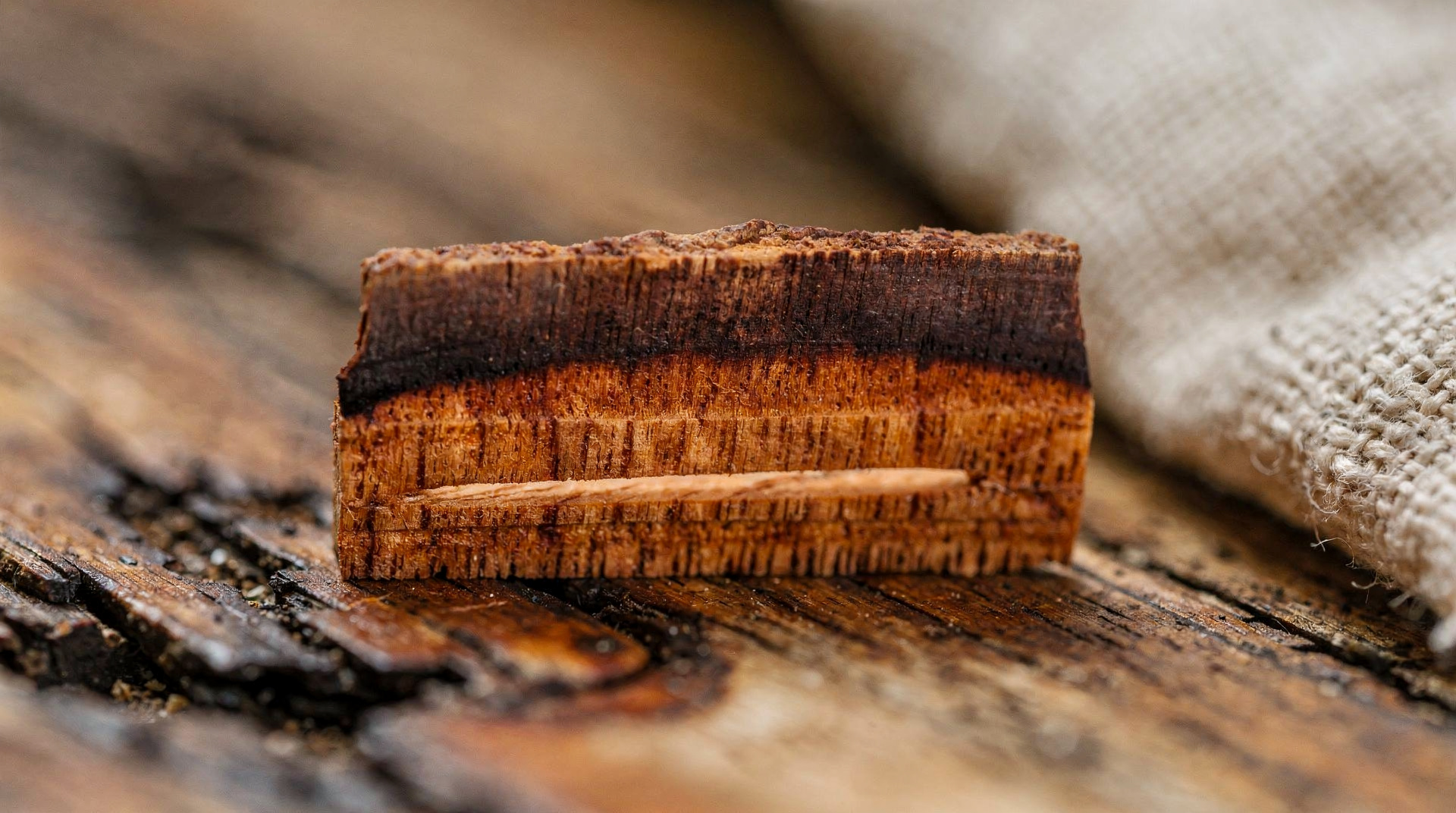
Beeswax: Works beautifully with wooden wicks due to higher melting point. The crackling sound and even burn are iconic. Soy: Works with cotton or paper wicks. Wooden wicks in soy candles often don't provide the same experience. Winner: Beeswax for aesthetic and audio experience.
Health Impact: What the Research Shows
This is where the comparison gets serious. If you're choosing based on what you're breathing, here's what matters.
Beeswax burns so cleanly that it produces virtually no soot. When it does burn, it releases negative ions that some research suggests can improve air quality. The byproducts of beeswax combustion are mostly carbon dioxide and water vapor. It's the closest thing to a neutral candle burn.
Soy wax, especially when blended with paraffin, releases volatile organic compounds (VOCs) during combustion. The paraffin component is petroleum derived, and it releases benzene and toluene when burned, compounds that have been flagged in toxicology research. Soy itself is fine, but the blends used in most commercial candles are the issue. Additionally, soy candles often rely on synthetic fragrance oils that contain phthalates, which are endocrine disruptors. Many manufacturers have moved away from phthalates, but it's worth checking labels.
One key customer insight: people who are sensitive to scented candles often report that beeswax candles don't trigger the same headaches or respiratory irritation. Here's what one switcher told us: "I absolutely love these candles! I instantly notice the difference in the air quality, in comparison to the Bath and Body Works scented candles. I love Bath and Body's candles but I acknowledge that it caused a slight headache and other minor respiratory discomfort. Awesome products. Totally addicted." That's the soy to beeswax shift in action.
The Verdict: When to Choose Each
Choose Beeswax If:
You want the longest burn time and best value over time. You're sensitive to scent or fragrance chemicals. You want the cleanest air while the candle burns. You prefer natural light quality and warmth. You like wooden wicks and the crackling sound. You want to support beekeeping as an industry. You're willing to invest upfront for a superior product.
Choose Soy If:
You have a strict budget and want to burn candles frequently. You prefer lower upfront cost. You want a vegan option that doesn't support any animal adjacent industry. You burn candles for shorter periods and don't need extended burn time.
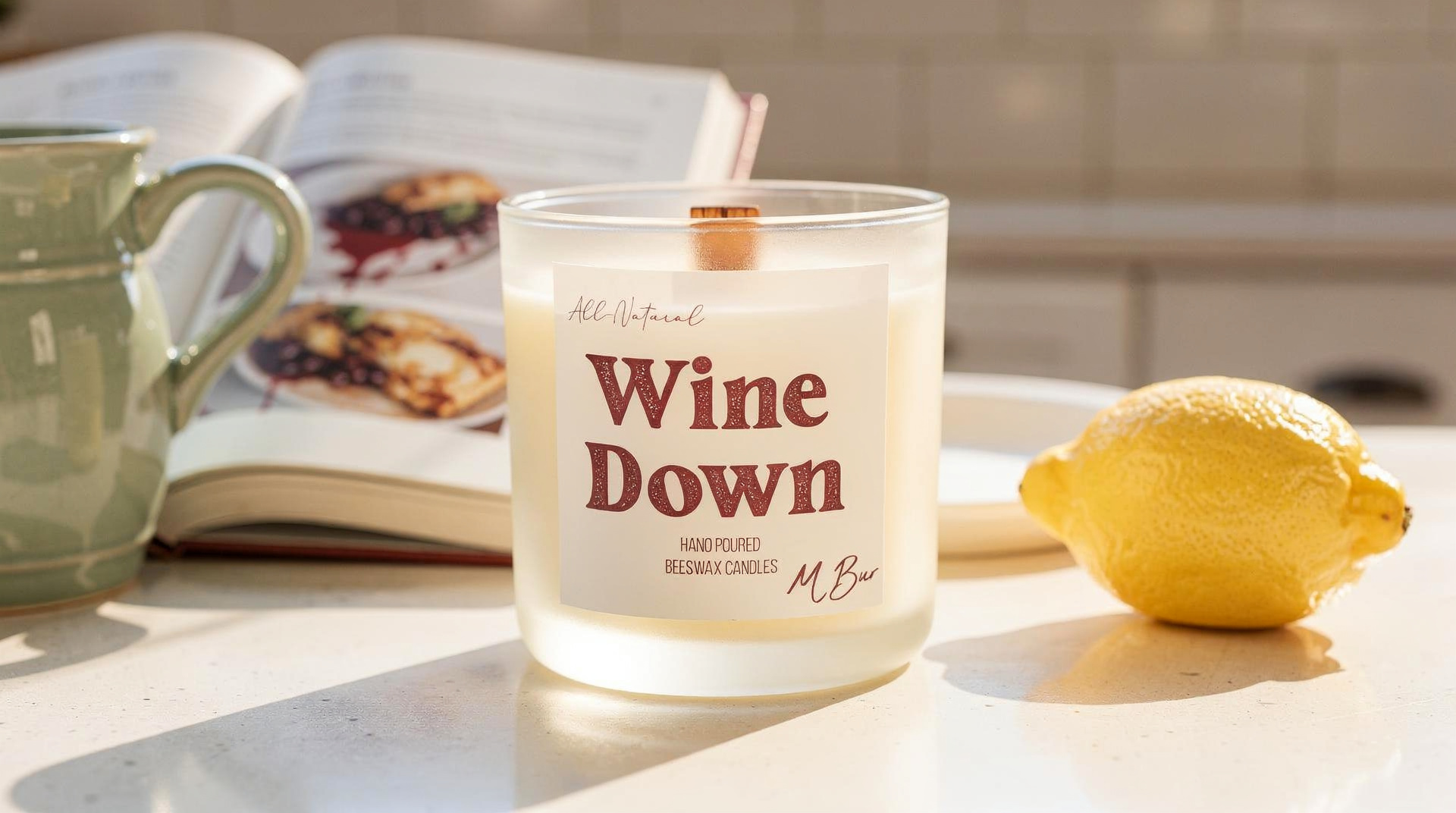
Honest take: if you care about health, longevity, or actual value, beeswax is the answer. If you're testing the water or want something affordable to burn for a few hours, soy works. But most people who try quality beeswax don't go back.
MBur Beeswax Candles: Why We Stand By Our Choice
We chose beeswax for a reason. It's 100% pure, single ingredient, and it performs. Our candles are handmade in Queens, New York using beeswax and wooden wicks. We don't cut corners with paraffin blends or cheap fragrance. Every candle burns for the full stated time and fills the space it's meant to fill.
We also use phthalate-free fragrance oils and no chemical dyes. The result is a candle that performs like a luxury product because it is one, without the greenwashing language that most candle companies hide behind.
If you're switching from soy or paraffin, start with the Do Not Disturb candle, Retail Therapy candle, or People Watching candle in the 20-hour size ($20). Most people notice the difference immediately: better scent throw, cleaner burn, longer lasting experience.
FAQ: Common Questions About Beeswax vs Soy
How long do beeswax candles actually burn compared to soy?
Beeswax burns 2 to 5 times longer than soy candles of equivalent size. A 12 ounce beeswax candle delivers 80 hours; a comparable soy candle delivers 30 to 40 hours.
Why is beeswax more expensive if it lasts longer?
Beeswax itself costs more per pound because it's a natural, limited resource produced only by honeybees. However, when you factor in burn hours, beeswax often costs the same or less per hour than soy.
Is soy wax really vegan if it's usually blended with paraffin?
Most soy candles are blends. If veganism is your concern, you need to check the label. True 100% soy candles exist but are uncommon. They're also not as effective as pure beeswax for scent throw and burn time.
Can beeswax candles trigger headaches like soy candles do?
Much less frequently. Beeswax candles use minimal fragrance oil and no paraffin byproducts, which are common headache triggers. If you're sensitive to scent, beeswax is the safer choice. Always check the fragrance type though; even beeswax with low quality toxic fragrance can cause issues.
What's the real environmental difference between beeswax and soy?
Beeswax supports beekeeping, which is crucial for global pollination and agriculture. Soy is renewable but often involves monoculture farming and genetic modification. Both have environmental impacts; beeswax's is more supportive of ecosystems, while soy's is more efficient per plant. If you care about bees, beeswax is the choice.
Make Your Choice Based on Facts, Not Hype
The beeswax vs soy debate exists because people have invested marketing dollars in both. What matters is what actually happens when you burn it: how long it lasts, how it smells, what you breathe, and whether it's worth the investment.
For most people, especially those with any sensitivity to fragrance or interested in air quality, beeswax wins on every metric except upfront cost. And even that advantage disappears once you do the math on burn hours.
Ready to experience the difference? Start with our Room Service candle, our bestseller. It's made from 100% beeswax, burns for 80 hours in the largest size, and fills entire homes with a scent that doesn't trigger headaches or respiratory discomfort. Most people who try it stop buying soy candles entirely.
Browse the full MBur beeswax collection
Related reading: