

Are Candles Bad for Your Lungs? What the Research Says
Are Candles Bad for Your Lungs? What the Research Says
Beeswax has been used as a light source for over 5,000 years, long before the invention of the petroleum based paraffin candles we see everywhere today. Yet somehow, a material that ancient civilizations relied on for safety has become a niche product, while candles made from crude oil byproducts sit on shelves in every home goods store. The question isn't whether candles are bad for your lungs. It's whether YOU know which ones are.
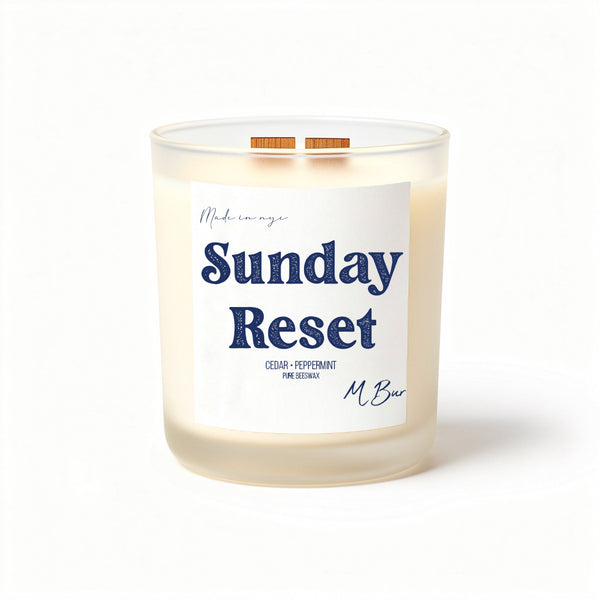
The short answer: some candles are genuinely harmful to respiratory health. Others are among the cleanest burning materials available. The difference comes down to three specific things: wax type, fragrance source, and wick composition. Once you understand these factors, the confusion disappears. If you want to skip ahead to the solution, our full beeswax candle collection is here.

The Paraffin Problem: What Actually Gets Into Your Lungs
Paraffin wax is a byproduct of crude oil refining. When heated, it releases volatile organic compounds (VOCs) including benzene and toluene. These aren't marketing scare tactics. A 2009 study published in the journal Chemical Research in Toxicology found that burning paraffin candles released benzene and toluene at levels comparable to vehicular exhaust.
What does this mean practically? Benzene is a known carcinogen. Toluene damages the nervous system with repeated exposure. Neither is something you want to inhale regularly in your bedroom or living room. The American Lung Association acknowledges this risk and recommends limiting paraffin candle use, especially in enclosed spaces.
The soot is visible too. Paraffin candles often produce a dark, sooty residue that stains walls and ceilings over time. That black mark you see is particulate matter that's also entering your respiratory system with every breath.
Soy candles were marketed as the "healthy" alternative. The reality is more complicated. While soy itself is plant based, most mass market soy candles are blended with paraffin to improve burn quality and scent throw. You're not getting a pure product. You're getting the same VOC emissions as a paraffin candle, just with better marketing.
Fragrance: The Silent Culprit in Your Candle
The wax matters less than the fragrance oil when it comes to respiratory irritation. Synthetic fragrance compounds are where most problems actually originate.
A typical "fragrance" label on a candle can hide 100+ individual chemical compounds, many of which are proprietary blends you'll never see listed. Some of these chemicals break down when heated and burned, creating secondary pollutants that irritate airways. People with asthma, allergies, or sensitive lungs often report headaches, throat irritation, or respiratory symptoms from scented candles, even when the wax itself is clean.
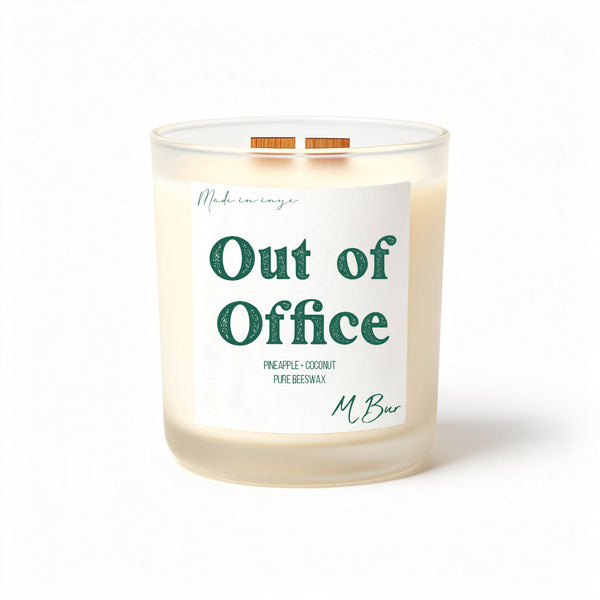
Non toxic fragrances, by contrast, are formulated to remain stable when heated. They don't break down into irritants. The difference is dramatic for sensitive individuals. One customer shared their experience: "I love the fact that these candles are so good that they make the room smell good even when they are not burning. I bought this candle for a friend for mothers day and they couldn't get enough of it."
The key is transparency. If a candle maker won't tell you what's in the fragrance, it's because they don't have to legally, which means it's probably not something you'd choose if you knew.
Beeswax: What 5,000 Years of History Tells Us
Beeswax is the wax that honeybees secrete to build their honeycomb. It's a single, naturally occurring material with no chemical processing. When burned, it produces a slightly higher melting point than other waxes, which means a slower, more complete combustion with less soot.
The combustion process actually matters for lung health. Cleaner, slower burns produce fewer particulates. Beeswax's molecular structure allows it to burn at a controlled temperature, releasing minimal byproducts. This is why beeswax candles were the standard in churches and temples for centuries before petroleum based alternatives existed.
The data supports this. Studies comparing wax types consistently show that beeswax produces significantly lower levels of VOCs and particulate matter compared to paraffin or soy blends. A 2012 study found that beeswax actually released negative ions when burned, which some research suggests may help air purification, though this claim remains under investigation.
None of this is accidental. Beeswax works this way because of its chemical composition, not marketing. It's one of the few instances where the oldest option is also the scientifically soundest one.
Wooden Wicks: Burn Quality Matters for What You Breathe
The wick affects burn quality dramatically. Most candles use cotton or paper wicks, which work fine. But wooden wicks burn at a lower temperature and create a more even wax pool, reducing the chance of incomplete combustion.
Incomplete combustion is a major source of harmful particles. When a candle wick burns too hot or unevenly, the wax doesn't vaporize completely before being released as smoke. Wooden wicks minimize this by burning cooler and steadier, which means fewer particulates in the air.
Metal core wicks are the opposite. Lead core wicks were banned in the US in 2001, but zinc and tin cores are still common in cheap candles. These heat up to much higher temperatures, which accelerates the release of VOCs from the wax and fragrance.
How Long You Burn Matters as Much as What You Burn
Even the safest candle can become a problem if you burn it for 8 hours straight in a sealed room. Ventilation and duration both affect respiratory impact.
The safest practice: burn candles for no more than 4 hours at a time in a room with adequate air circulation. This allows for pleasant scent without overwhelming your indoor air quality. Trim the wick to 1/4 inch before each burn to reduce soot production. If you're burning in a small bedroom or bathroom without windows, reduce time to 2 hours.
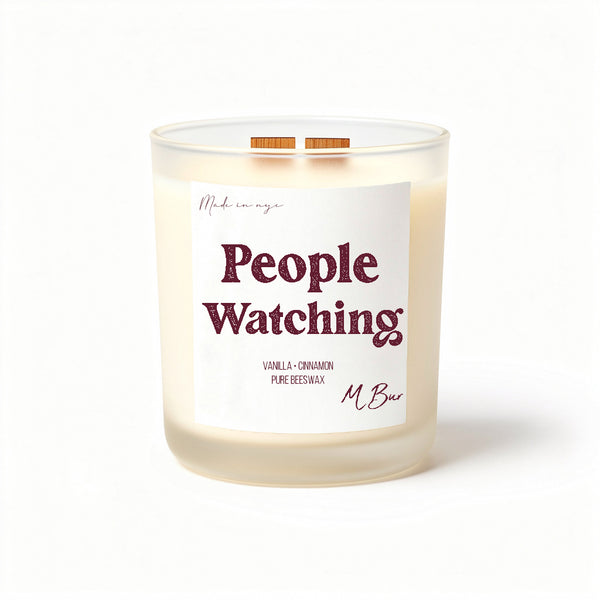
People with asthma or pre existing lung conditions should be more cautious. Start with shorter burns (1-2 hours) and observe whether symptoms occur. If you experience headaches, throat irritation, or breathing changes, stop immediately and ventilate the space. The issue isn't candles as a category. It's finding the right one for your body.
The Real Difference Between Brands
Not all candle makers operate with the same standards. The ones worth buying:
1. Disclose their fragrance ingredients: If the company won't tell you what's in the scent, that's a red flag. Non toxic fragrance suppliers make it easy to verify what's being used.
2. Use single ingredient wax: Beeswax, coconut, or plant based waxes that aren't blended with paraffin. Multi ingredient candles are harder to verify for safety.
3. Use wooden or high quality cotton wicks: Check the material. If it's not listed, ask. Good makers are proud of this detail.
4. Provide burn time guarantees: Legitimate makers know exactly how long their candles burn because they test every batch. This indicates quality control across all ingredients.
Most mainstream candle brands fail on at least two of these points. They use paraffin or paraffin blends, hide fragrance ingredients behind the legal "fragrance" label, and use cheap metal core wicks. The result is a product that looks fine but releases harmful compounds when burned.
What the Science Actually Says About Candle Risk
Here's where nuance matters. The research on candle harm is real, but not alarmist. A single paraffin candle burned occasionally won't give you lung disease. But regular exposure to paraffin smoke, synthetic fragrance, and metal core wicks in an enclosed space absolutely increases respiratory risk over time.
The American Lung Association, Mayo Clinic, and Cleveland Clinic all acknowledge that candles can affect indoor air quality, especially for people with respiratory sensitivity. Cleveland Clinic specifically recommends natural wax options and proper ventilation. This isn't fringe science. It's mainstream medical consensus.
The other consensus: beeswax candles present minimal respiratory risk when used as directed. The oldest candle material is also the safest one.
Headaches From Candles: A Specific Warning
A surprising number of people report headaches from scented candles. This isn't psychosomatic. It's usually caused by one of three things: synthetic fragrance volatilization, poor ventilation, or burn time that's too long.
Synthetic fragrances can break down into secondary pollutants when heated. These irritate the trigeminal nerve (which controls headache sensation) even at low concentrations. People who experience migraines or tension headaches are especially vulnerable.
Customers switching from mass market candles often report dramatic relief: "A lot of other candles tend to give me headaches, but this one was a total game changer. I was able to enjoy the calming aroma without any discomfort. It made my space feel cozy and refreshed at the same time."
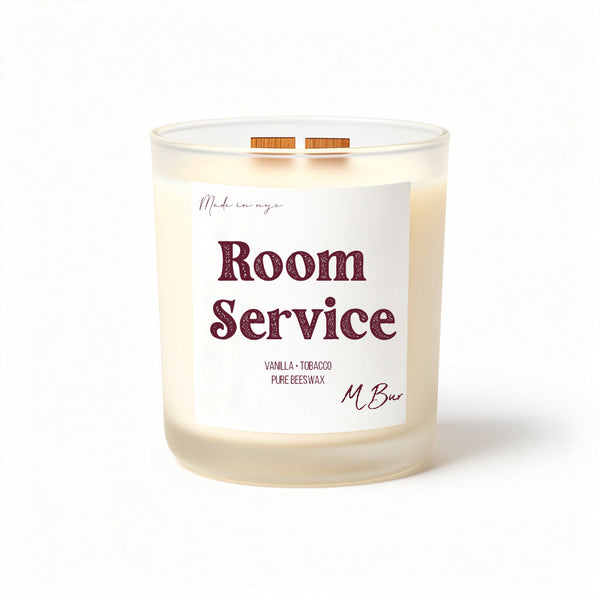
If candles give you headaches, the solution isn't to give them up. It's to switch to candles made with non toxic fragrance and clean wax. The Wine Down candle and Do Not Disturb candle are the two scents most cited by customers switching away from paraffin brands. Both start at $20.
FAQ: Your Lung Health Questions Answered
Can candles cause permanent lung damage?
A single candle? No. Regular, long term exposure to paraffin smoke and synthetic fragrance, especially in enclosed spaces? Yes, this can contribute to chronic respiratory inflammation. The risk is cumulative. One paraffin candle has minimal impact. One every day for years has measurable impact.
Are beeswax candles completely safe?
They're the safest option available, especially when combined with non toxic fragrance and wooden wicks. No candle is risk free if burned for 12 hours straight in a sealed room. But beeswax candles minimize the risks better than any other option.
What if I already have asthma? Should I avoid candles entirely?
Not necessarily. People with asthma can burn clean candles with careful precautions: use only beeswax candles with non toxic fragrance, limit burns to 1-2 hours, always ensure ventilation, and trim the wick to prevent excess soot. Watch for symptoms during your first burn. If you experience wheezing, shortness of breath, or chest tightness, discontinue immediately.
How do I know if a candle is made with synthetic fragrance?
Ask the maker directly. Legitimate candle companies will tell you their fragrance is phthalate free and non toxic. If they won't answer or use vague language like "premium fragrance oils," that's a sign they're using standard synthetic compounds.
Do air purifiers help with candle smoke?
Yes, but they're a bandaid, not a solution. A HEPA filter will capture some particulates, but it won't eliminate VOCs. The better approach is to choose clean candles in the first place and use proper ventilation.
The Bottom Line: You Have Control Here
Your lungs deserve better than petroleum byproducts and hidden chemical compounds. The good news is that choosing safe candles requires only three decisions: pick beeswax, verify non toxic fragrance, and use wooden or quality cotton wicks.
If you've experienced headaches, respiratory irritation, or general discomfort from candles in the past, understand that the problem wasn't candles themselves. It was the specific ingredients in those candles. Clean alternatives exist and work noticeably better for most people.
Shop the full collection of lung-safe beeswax candles
What buyers say:
Related reading:

