

Why Your Water Heater Smells Like Rotten Eggs and How to Fix It
You turn on the hot water tap to wash your hands and get hit with a wave of sulfur. The rotten egg smell coming from your faucet is enough to make you want to avoid your own kitchen or bathroom. This specific water heater odor happens when sulfate bacteria react with the metal components inside your tank. You can eliminate the sulfur smell in water by adjusting the tank temperature or flushing the system entirely. While you tackle the plumbing, keeping the air in your home fresh is just as important. Browsing our full beeswax candle collection is a great way to find clean scents that actually improve your indoor environment without adding toxic fragrance to the air.
The Science Behind the Sulfur Smell in Water
The culprit behind the rotten egg smell is hydrogen sulfide gas. This gas forms when naturally occurring sulfate bacteria interact with the magnesium anode rod inside your water heater. The anode rod exists to protect the steel tank from rusting. It sacrifices itself by corroding first. When your water has high sulfate levels, the bacteria feed on those sulfates and produce hydrogen sulfide as a byproduct.
Heat makes the gas escape into the air. Hydrogen sulfide does not dissolve well in hot water. Turning on the hot tap releases the gas right at the faucet. The Minnesota Department of Health notes that while this smell is highly unpleasant, it rarely indicates a sanitary issue with the water itself. The problem is purely chemical.

People with well water encounter this issue more frequently. Municipal water supplies usually add chlorine, which keeps sulfate bacteria in check. Well water lacks this chlorine treatment, allowing the bacteria to thrive and multiply inside the warm environment of your water heater tank.
How to Diagnose the Source of the Odor
You need to isolate the source before you start draining tanks. Run the cold water tap in a sink and smell it. Then run the hot water tap in the same sink.
If only the hot water smells, the issue is isolated to your water heater. The bacteria are living inside the tank and reacting with the anode rod.
If both the hot and cold water smell, the problem originates from your main water supply. You might need to treat your well or install a whole house water filtration system.
If the smell only happens in one specific faucet, the bacteria might be localized in the drain or the faucet aerator. Cleaning the aerator screen and pouring a cup of bleach down the drain usually clears this up.
Actionable Steps to Fix a Water Heater Odor
Fixing a water heater odor requires breaking the chemical reaction inside the tank. You have a few options ranging from quick weekend fixes to permanent hardware swaps.
First, try flushing the tank and raising the temperature. Turn your water heater thermostat up to 140 degrees Fahrenheit for a few hours. This high heat kills the sulfate bacteria. Afterward, drain a few gallons from the bottom of the tank to flush out the dead bacteria and sediment. Turn the temperature back down to 120 degrees to prevent scalding.
Second, consider replacing the anode rod. The standard magnesium rod is the main food source for the bacteria. Swapping it for an aluminum and zinc alloy rod changes the chemical reaction. The zinc helps neutralize the sulfur odor while the aluminum protects the tank from corrosion.
Third, use a chlorine shock treatment. You can pour a pint of household bleach into the tank through the anode rod opening. Let it sit for a few hours, then flush the system thoroughly until the bleach smell dissipates. This kills the existing bacteria colony.

Resetting the Air Quality in Your Home
Once you fix the plumbing, you still have to deal with the lingering sulfur odor trapped in your bathroom or kitchen air. Stagnant air holds onto heavy gas molecules long after the water runs clear. You need to actively reset the atmosphere in the room.
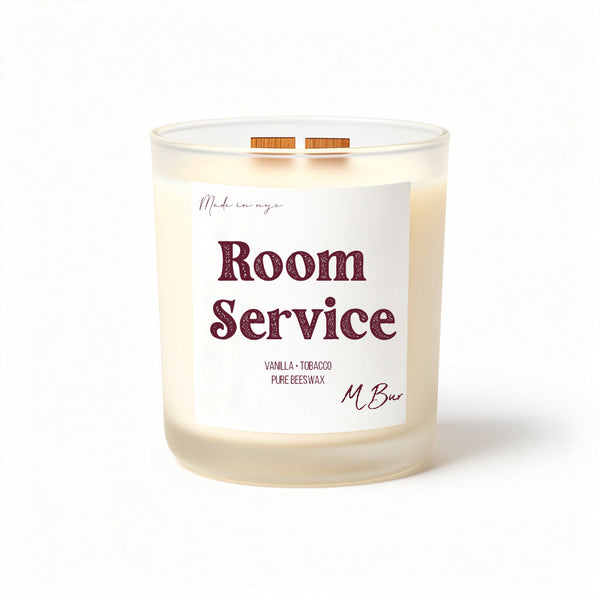
Opening a window helps, but introducing a clean burning scent works much faster. MBur candles use pure beeswax and wooden wicks to provide a clean burn without releasing the black soot or toxic fragrance associated with paraffin candles.
For the kitchen, the Slice of Life candle brings a bright, aired out freshness. It features notes of uneven citrus peels and sharp green edges that cut right through lingering cooking or plumbing odors.

For the bathroom, the Wine Down candle turns a frustrating plumbing fix into a reason to actually use the tub. It smells like a luxury spa with fragrant lavender and soothing chamomile.

Our customers notice the difference in air quality immediately. As Jason H. shared in his five star review, "I absolutely love these candles! I instantly notice the difference in the air quality, in comparison to the Bath & Body scented candles. I love Bath & Body's candles but I acknowledge that it caused a slight headache and other minor respiratory discomfort. Awesome products. Totally addicted."
Frequently Asked Questions About Water Heater Smells
Is the rotten egg smell from my water heater dangerous?
The smell itself is highly unpleasant but rarely indicates a health hazard. The Minnesota Department of Health confirms that hydrogen sulfide in household water is mostly a nuisance issue affecting taste and odor rather than a sanitary danger.
Why does my water only smell when I run the hot tap?
Hydrogen sulfide gas escapes more easily in heated water. The cold water holds the gas in suspension, while the heat from the water heater forces the gas out into the air right at the faucet.
Will flushing my water heater permanently solve the problem?
Flushing removes the current bacteria colony and sediment. The smell might return if the magnesium anode rod continues to react with sulfates in your water supply. Replacing the rod offers a more lasting fix.
Can a water softener cause a rotten egg smell?
Soft water can accelerate the breakdown of a magnesium anode rod. This chemical breakdown releases sulfate gas inside the tank, creating the odor. Switching to an aluminum and zinc alloy rod usually stops this reaction.

Reclaim Your Space
Eliminating a sulfur smell in water comes down to managing the chemistry inside your tank. Flush the system and consider upgrading your anode rod to stop the reaction at its source. Once the water runs clear and fresh, reclaim the air in your home with a clean burning beeswax candle. Browse our full beeswax candle collection to find the perfect scent for your freshly reset space.
Related reading

