

Why You Shouldn't Burn a Candle for More Than 4 Hours: The Science Explained
The black smudge creeping up the inside of your candle jar and the mushroom shaped clump on the wick are both symptoms of the same mistake: you left the candle burning too long. Most people never touch that 4 hour ceiling, and by hour five or six the flame is tall, flickery, and pumping out soot that settles on your walls. There is real physics behind why this happens, and once you know it, you get better burns, cleaner jars, and candles that actually last as long as they promise.
If you want a wax that behaves through a full session, that starts with what is in the jar. Our full beeswax candle collection is built around a wax with the highest melting point of any candle material, which is a big part of why it holds up under heat.

The Problem: What Actually Happens Past 4 Hours
For the first couple of hours, a candle is in balance. The flame throws off serious heat, hot enough to keep the wax pool sitting around 60 to 80 degrees Celsius, and the container sheds that heat into the room about as fast as the flame makes it.
That balance holds through roughly the 3 to 4 hour mark. This is the sweet spot most safety authorities, including the National Candle Association, point to when they recommend a maximum burn of 3 to 4 hours per session.
Past four hours, the math flips. Heat starts accumulating faster than the jar can release it, and the whole system runs hotter and hotter with nowhere for the energy to go.
Your Jar Starts to Suffer
Glass does not love sustained heat stress. As temperatures keep climbing past that four hour window, the molecular structure of the container weakens, which raises the risk of the jar cracking or shattering. That is a fire hazard, plain and simple, and it is one of the main reasons the rule exists at all.
The Wick Mushrooms
Burn too long and the flame consumes more fuel than it can cleanly process. Carbon collects on the wick tip in a bulbous cluster, the dreaded mushroom. Once that forms, the flame goes tall and unstable, and heavy black soot starts drifting up onto your jar and walls.

Your Scent Gets Worse, Not Better
There is a stubborn myth that a longer burn means a stronger scent. The opposite is true. When the wax pool overheats and stays liquefied for hours, the fragrance oils get pushed past their comfort zone, and the aroma degrades instead of building. You end up with a weaker throw and a hotter, sootier mess.
Why This Matters More With Cheap Wax
Not all candles hit the wall at the same speed. Paraffin, which is a petroleum byproduct, has a low melting point and burns dirty even under ideal conditions. Push it past four hours and it soots aggressively while releasing more junk into your air. Soy softens the problem but is frequently blended with paraffin anyway.
Beeswax sits at the other end. It has the highest melting point of any candle wax, so it burns slower, cooler, and steadier through a full session. That higher melting point is also the reason a beeswax candle gives you an 80 hour burn where a comparable paraffin candle burns out far quicker.
One of our customers put the everyday difference plainly:
"I absolutely love these candles! I instantly notice the difference in the air quality, in comparison to the Bath & Body scented candles. I love Bath & Body's candles but I acknowledge that it caused a slight headache and other minor respiratory discomfort. Awesome products. Totally addicted." Jason H.
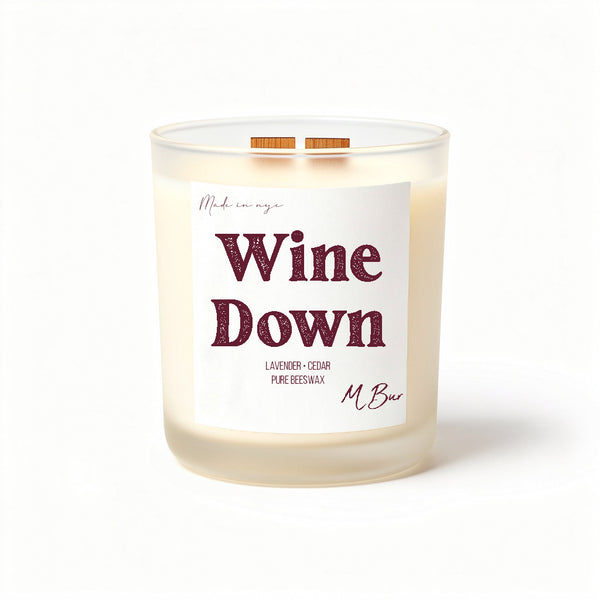
If you burn candles in closed rooms during winter, this matters even more. Air specialists note that extended burning with the windows shut can build up indoor pollutants that leave you with throat irritation or watery eyes. A cleaner burning wax like beeswax gives you fewer irritants to begin with, and our Wine Down candle is a good pick for those long evening sessions where you want a light, clean scent that will not fill the room with soot.

The Solution: How to Burn a Candle the Right Way
None of this means candles are risky. It means there is a simple routine that gets you clean, even, long lasting burns every time. Here is the checklist.
- Cap each session at 4 hours. This is the single most important rule. Extinguish and let it rest, even if you plan to relight later.
- Give the first burn enough time. Let the wax melt all the way to the edges of the container, which takes about 3 to 4 hours for a standard jar. Blow it out too early and you get tunneling and a permanent memory ring that wastes wax for the life of the candle.
- Trim the wick to a quarter inch (about 5mm) before every relight. This is your best defense against mushrooming and soot. Wooden wicks like the ones we use are easy to snap back to length.
- Stop burning at half an inch of wax. Once you are down to roughly half an inch remaining in the bottom, retire the candle. Below that, the flame runs too close to the glass.
- Let it fully cool before relighting. Give the wax pool time to solidify again, usually at least 2 hours.
- Keep it away from drafts and never leave it unattended.
Follow that and your candle rewards you. As one reviewer noted about her order:
"From the packaging to the burn of the candle everything was top notch! Candle burned slowly and was exactly the amount of hours the company said it would burn. I was able to enjoy it for days even though it was the smaller size." Portia Darby
Anyone managing a respiratory condition or scent sensitivity should still follow their doctor's guidance on candle use, regardless of the wax.
Frequently Asked Questions
What actually happens if you burn a candle for more than 4 hours?
Excess heat builds up inside the container faster than it can escape. That leads to glass cracking or shattering, a mushrooming wick, and a spike in black soot. Choosing a slower, cooler burning wax from our beeswax candle collection reduces how quickly a jar heats up over a session.
Does the 4 hour rule apply to every type of candle?
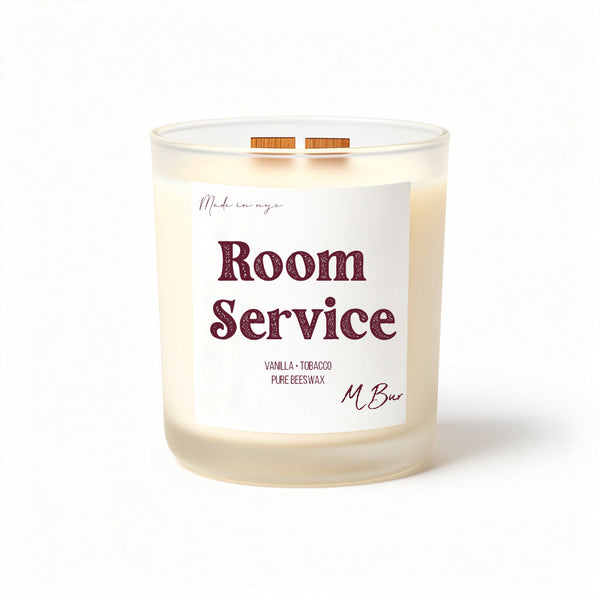
It applies most directly to container and jar candles, where heat is trapped by the glass, but nearly all standard candles do their best work inside a 3 to 4 hour window. Even a long lasting option like our Room Service candle should be enjoyed in sessions rather than left going all day.
Why does a mushroom form on the wick after hours of burning?
The flame ends up consuming more fuel than it can cleanly burn, so carbon collects on the wick tip in a cluster. Trimming the wick to a quarter inch before each relight and keeping sessions under four hours is the fix. You can find the full routine in our collection care notes at mburcandle.co.
How long should I wait before relighting a candle I just blew out?
Let the candle cool completely and allow the wax pool to solidify again, typically at least 2 hours. Relighting into a hot, still liquid pool just restarts the heat accumulation problem.
The Takeaway
Burning past four hours is where soot, cracked jars, and weak scent all come from, because heat piles up faster than the container can release it. Keep sessions under four hours, trim your wick, and start with a wax built for the heat. A pure beeswax candle burns cooler and slower than paraffin or soy, which is exactly why it holds up. Browse our full beeswax candle collection, handmade in New York City, hypoallergenic, and rated across dozens of five star reviews.
Related reading

