

Why You Shouldn't Burn a Candle for More Than 4 Hours (and How to Get More Life Out of It)
If your candle is burning fast, smoking, and leaving a black ring around the rim, the culprit is almost always the same: you left it lit too long. The most common candle mistake is treating a burn session as an all night event, which overheats the wax, wrecks the fragrance, and can crack the jar. The fix is the four hour rule, and once you understand why it exists, you will get more hours out of every candle you own.
Below we break down what actually happens past that four hour mark, why it matters more with clean natural waxes, and how to squeeze the maximum life out of a candle. If you want candles that reward good care with a genuinely long burn, browse our full beeswax candle collection, where the largest size runs 80 hours on pure beeswax.

The problem: what happens when you burn a candle too long
For the first couple of hours, a candle is in balance. Heat generated by the flame and heat escaping into the room roughly cancel out, so the wax pool holds a steady temperature somewhere around 60 to 80 degrees Celsius.
Push past four hours and that balance breaks. Thermal accumulation starts outpacing dissipation, which means the container and the wax pool keep getting hotter with nowhere for the heat to go.
Three bad things follow. The glass or metal vessel can overheat to the point of cracking or shattering. The wick develops a carbon buildup on the tip, called mushrooming, which makes the flame oversized, flickery, and sooty. And that soot drifts up as black carbon that stains the jar and settles on your walls.
There is a scent cost too. Overheating burns off fragrance oils faster than they should release, so a candle you are trying to enjoy longer actually smells weaker and can throw off a slightly acrid note by hour five.
Why the four hour rule matters more with natural wax
The four hour cap is an industry standard for a reason, and it applies to nearly every container candle you will light. Makers and safety guidelines converge on a maximum of three to four hours per session.
Clean natural waxes raise the stakes. Beeswax, soy, and vegetable blends tend to have more delicate structures than petroleum wax, so overheating them can lead to structural collapse and smoking. Respecting the thermal limit keeps the wax burning evenly and the flame stable.
Beeswax has one big advantage working in your favor: the highest melting point of any candle wax. That is exactly why a beeswax candle can deliver up to 80 hours of total burn time, far longer than soy or paraffin at the same size. But a high melting point does not exempt it from the four hour rule. It just means good care pays off with more usable hours.

Bust the myth: longer burns do not give you more
The most persistent candle myth is that the longer you burn a candle in one sitting, the more value and scent you extract. The opposite is true. Marathon burning wastes wax through unstable, smoky combustion and dulls the fragrance by cooking the oils.
People also assume the four hour rule is only about preventing tunneling. Tunneling is a first burn issue, solved by letting the wax melt edge to edge that very first time. The four hour cap is separate. It is a thermal safety and performance limit that protects the container and keeps the flame clean for the entire life of the candle.
The solution: how to extend your candle's life
Getting the full 80 hours out of a candle is not complicated. It comes down to a handful of habits you can build in the first ten seconds of every burn.
1. Nail the very first burn
The first time you light a candle, let it burn until the liquid wax pool reaches all the way to the edges of the jar. Depending on the diameter, that usually takes two to four hours. Skip this and you set a memory ring that causes tunneling forever, leaving a wall of unburned wax stuck to the sides.
Our whole guide to this exists for a reason, because the first burn genuinely decides how the rest of the candle behaves. It is worth the patience.
2. Trim the wick before every light
Trim your wick to about a quarter inch, roughly five to six millimeters, before you light it each time. A trimmed wick burns with a smaller, steadier flame, produces less soot, and slows the burn rate so the wax lasts. This is the single easiest candle care tip that most people skip.
3. Cap sessions at four hours
Extinguish once you hit the four hour mark. Let the candle cool completely, retrim the wick, and relight later. Breaking a long evening into two shorter sessions actually gives you a cleaner burn and better scent throw than one continuous stretch.
4. Keep it away from drafts
Fans, open windows, and AC vents make a flame dance, which burns wax unevenly and fast. Set your candle on a stable, heat safe surface away from moving air.
5. Extinguish gently and retire it early
Snuff the flame with a snuffer or dip the wick rather than blowing, which splatters hot wax and kicks up smoke. And stop using a candle when about half an inch of wax remains at the bottom, both for safety and to protect the container.
"From the packaging to the burn of the candle everything was top notch! Candle burned slowly and was exactly the amount of hours the company said it would burn. I was able to enjoy it for days even though it was the smaller size. Company included samples, instructions, and shipped fast. Well done, MBur Candle Co!"
Portia Darby
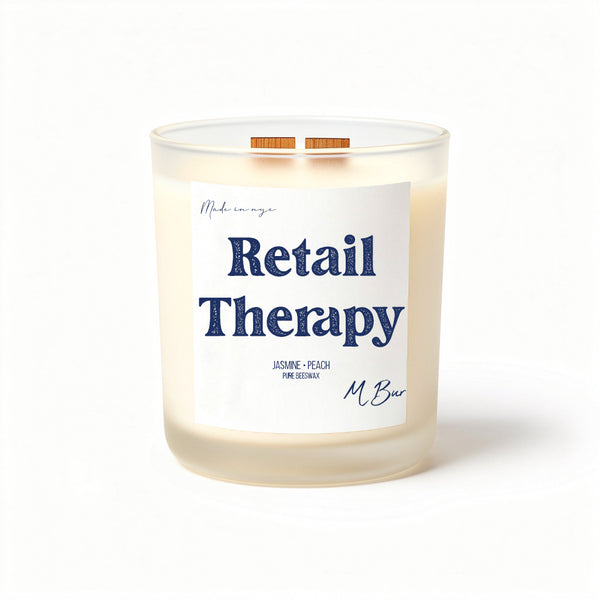
Portia's experience is exactly what proper care buys you: a slow, honest burn that hits the hours it promises. That comes down to the wax and the wick. Our candles use 100 percent beeswax with wooden wicks, so the flame stays even and the burn drags out rather than racing through the jar. If you want a scent to test your new habits on, Retail Therapy with its peach, black currant, and amber profile is a reliable crowd favorite, from the 40 hour size at $32 up to the 80 hour size at $65.

What clean wax has to do with all of this
Care habits matter most when the wax is worth caring for. Paraffin is petroleum waste, and blended waxes often hide it, which is why cheap candles soot heavily and burn out fast no matter how careful you are.
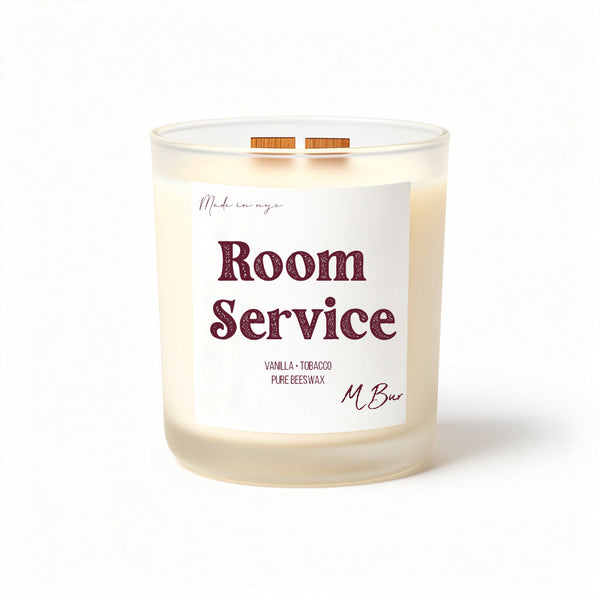
Beeswax is a byproduct of honey production and needs no chemical processing, so it burns cleaner and longer with far less soot when you follow the four hour rule. Pair that with a phthalate free fragrance and no chemical dyes, and you get a candle that rewards good habits. Room Service, our bestseller with its white tea, tobacco, and vanilla hotel lobby scent, is a good example of that combination, available from the 20 hour size at $20 up to the 80 hour size at $65.
Frequently asked questions
What happens if you burn a candle for more than 4 hours?
Carbon builds up on the wick and causes mushrooming, the container overheats, and the wax pool gets dangerously hot and unstable. You also burn through wax faster and lose fragrance quality. Sticking to shorter sessions is the easiest way to protect a good candle, like the long burning ones in our beeswax collection.
Can burning a candle too long cause it to shatter?
Yes. Excessive thermal accumulation can weaken glass containers and cause them to crack or break. This is one of the main reasons the four hour cap exists, and it is echoed by fire safety authorities like the U.S. Fire Administration.
How long should I burn my candle the very first time?
Two to four hours, or until the liquid wax pool reaches the edges of the jar, whichever comes first. This prevents tunneling for the entire life of the candle. Every candle in our collection ships with care instructions to walk you through it.
Does the 4 hour rule apply to all types of candles?
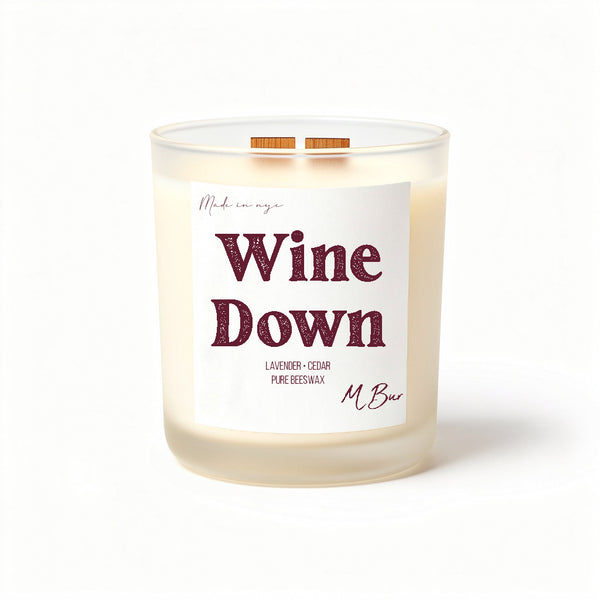
It is aimed at standard container candles, which covers most of what people burn at home. Small tealights burn out on their own before they get there, and large multi wick candles come with their own manufacturer guidelines. For a typical single wick jar like Wine Down, four hours is the number to remember.
How does the 4 hour rule actually extend a candle's life?
It keeps the burn even, stops deep tunneling, and controls the burn rate so wax is not wasted through smoky, unstable combustion. The result is more total usable hours out of the same jar.
The bottom line
Capping each session at four hours, trimming your wick, and nailing that first full melt pool will get you noticeably more life, cleaner air, and better scent out of any candle. Good habits matter most when the wax is clean beeswax that was built to burn long in the first place. With 57 reviews and a wall of five star notes about slow, even burns, our candles are made to reward exactly this kind of care.
Ready to put the four hour rule to work? Browse the full beeswax candle collection and pick your first (or next) long burning favorite.
Related reading

