

Why You Should Only Burn a Candle for 4 Hours: The Science Behind Optimal Burn Time
If your candle starts flickering, smoking, and coating the jar with black film halfway through the evening, the problem is the clock. You have burned it past the four hour mark, and the physics stopped working in your favor a while ago. The scent went flat, the wick grew a little carbon cap, and your beautiful candle turned into a soot machine.
Four hours is the sweet spot, and it is not arbitrary. It comes down to how heat, wax, and wick behave once a flame has been going for a while. Once you understand the why, you get more hours, cleaner air, and better scent out of every candle in our full beeswax candle collection.

What Actually Happens When You Burn a Candle Too Long
A candle is a small, controlled combustion engine. The flame melts the wax, the liquid wax travels up the wick, and it vaporizes and burns. For the first few hours, heat generation and heat dissipation stay in balance.
Push past four hours and that balance tips. Heat starts accumulating faster than the candle can shed it. Flame temperatures sit around 1400 degrees Celsius while the wax pool climbs to 60 to 80 degrees Celsius, and prolonged burning drives that number higher into the container itself.
The result is a hotter, more unstable system. The glass or ceramic vessel absorbs excess heat, which can crack the container or damage the surface underneath it. The flame grows taller and starts to dance instead of standing steady.
The Wick Mushroom Problem
The most visible sign of an over burned candle is the wick mushroom. Carbon builds up on the tip of the wick and forms a little cluster shaped like a mushroom cap. It looks harmless, but it destabilizes the flame.
A mushroomed wick flickers, sputters, and throws off black smoke. That smoke becomes soot, and soot lands on your walls, your ceiling, and the inside of the jar. What started as a clean burn ends up staining your home.
The Myth That Longer Burns Mean More Scent
Here is the belief that keeps people burning candles all night: the longer it burns, the stronger it smells. The opposite is true.
Fragrance oils release best from a melt pool at the right temperature. After about four hours, the pool becomes oversaturated and overheated, and the top notes start to degrade and burn off rather than fill the room. You get less scent, not more, and the quality of what remains drops.
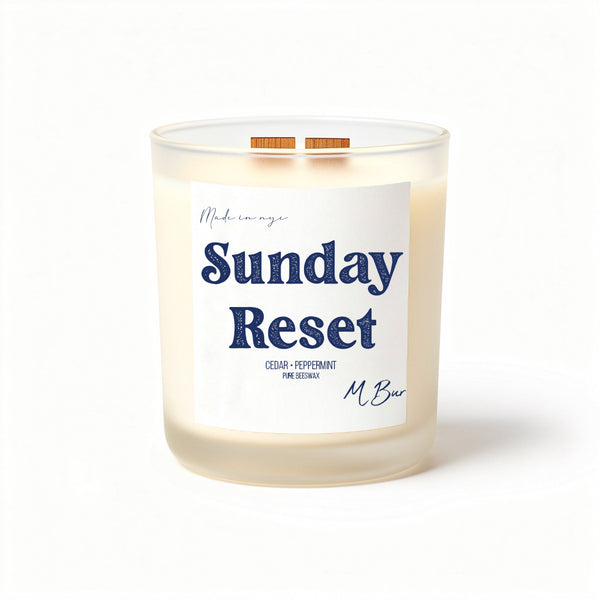
Overheating the oils also changes their chemistry. Delicate top notes are the first to go, so a candle that smelled bright and layered at hour two smells muddy and thin at hour six.

Why the Four Hour Rule Also Protects the Air You Breathe
The type of wax matters as much as the burn time. Paraffin is a petroleum byproduct, and when it burns it releases volatile organic compounds including benzene, toluene, and formaldehyde. Burn any candle for hours in a sealed winter room and you concentrate whatever it puts into the air.
This is the concern behind a lot of candle related headaches. Many customers tell us they used to get them from mass market candles, and the culprit is usually the combination of paraffin and toxic fragrances loaded with phthalates and parabens.
MBur candles are made from 100 percent beeswax with phthalate free fragrance and no chemical dyes. Beeswax burns cleaner and cooler than paraffin, and it has the highest melting point of any candle wax, which is why our candles last so long. One customer put it plainly:
"I love these candles. No headache or feeling nauseous like the Bath & Body candles with all the extra chemicals. In addition, I love the package and how carefully everything was wrapped. Im saving the wrapping paper to utilize during the xmas holiday." Jason H.
Cleaner wax does not exempt you from the four hour rule. Even beeswax builds carbon on the wick and transfers heat into the vessel over time. It just means that when you do burn correctly, the air stays cleaner. If you get headaches or have a respiratory condition, follow your doctor's guidance and keep the room ventilated.
How to Burn a Candle the Right Way
The fix is simple and it makes every candle better. Here is the routine.
1. Trim the wick to a quarter inch before every burn
This is the single most important habit. A trimmed wick keeps the flame the right size, controls carbon buildup, and stops mushrooming before it starts. Trim it cold, before you light, every single time.
2. Let the first burn reach the edges
The first time you light a new candle, keep it going until the melt pool reaches the edge of the container. This usually takes about one hour per inch of diameter, so a standard jar needs two to three hours. Skipping this creates candle memory, where the wax tunnels straight down the middle on every future burn. We covered this in depth in our guide to the first burn.
3. Cap each session at four hours
Aim for two to four hours per session. That window is long enough to get a full melt pool and strong scent throw, and short enough to keep the flame stable and the container safe.
4. Keep it away from drafts
Fans, open windows, and air conditioning vents make the flame flicker, which causes uneven melting and extra soot. Set the candle on a stable surface in a room between 65 and 75 degrees Fahrenheit.
5. Never leave it burning while you sleep
An unattended candle is a fire hazard, full stop. If you are heading to bed or leaving the room for a while, put it out.
Because MBur candles use beeswax with the longest burn time of any wax, sticking to four hour sessions still gives you plenty of hours. A calming choice for evening wind down is Wine Down, with notes of lavender, chamomile, sage, rosemary, camphor, cedar, and sandalwood. One customer said:
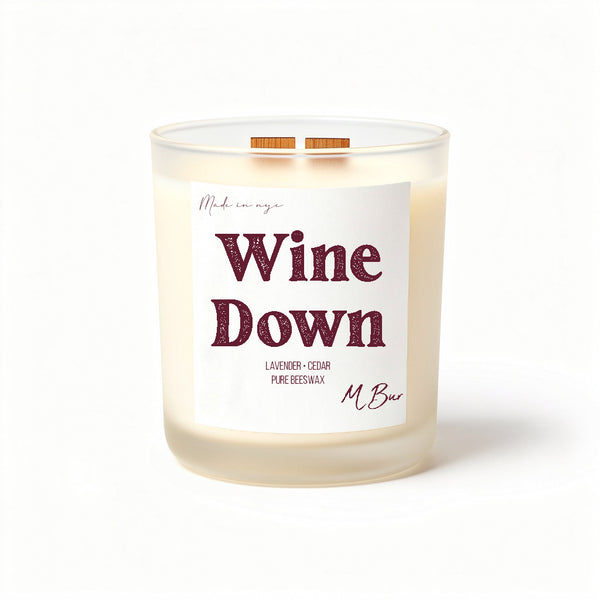
"Absolutely obsessed with M Bur Candle Co my roommate and I own 6/8 of the scents! They smell up a WHOLE room during the burn & even a while after blowing them out. I won't buy other candles anymore, they're just that good" Paige

Frequently Asked Questions
What happens if you burn a candle for more than 4 hours?
Heat accumulates faster than the candle can release it, which can overheat and crack the container, build up carbon on the wick, and produce more soot. The fragrance oils also degrade, so you actually lose scent. Sticking to shorter sessions is the easiest way to protect any candle from the collection.
Does burning a candle longer give off more scent?
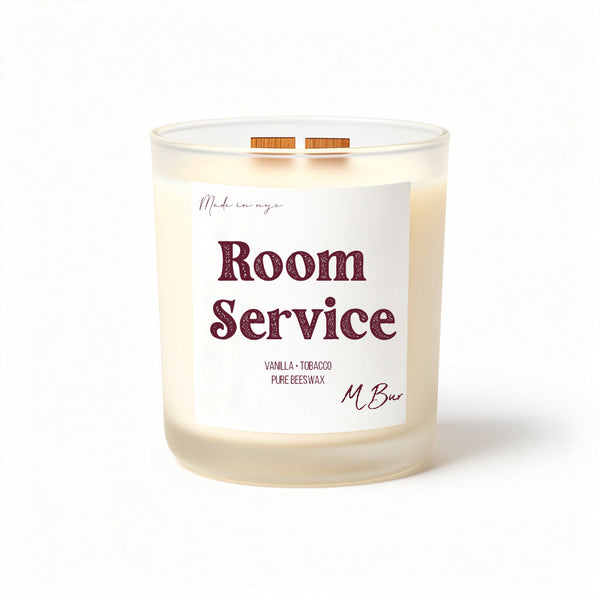
No. After about four hours the melt pool becomes oversaturated and overheated, and the fragrance oils dissipate rather than fill the room. A well made beeswax candle like Room Service throws scent best within that first two to four hour window.
Why do wicks form a mushroom shape during long burns?
Carbon collects on the wick tip when a candle burns too long or sits in a draft, forming a cap that causes smoking and an oversized flame. Trimming the wick to a quarter inch before each burn prevents it. Every candle in our beeswax collection uses a wooden wick that stays cleaner when trimmed.
Is it safe to leave a candle burning overnight if I fall asleep?
Never. An unattended flame is a serious fire hazard, and burning while you sleep means no one is watching it. Put it out before bed.
How does the four hour rule prevent tunneling?
Four hours is the maximum safety limit, but each session should run two to four hours so the melt pool reaches the container edges. That full pool erases memory rings and keeps the candle burning flat across the top on future lightings.
The Bottom Line
Burning a candle for four hours or less keeps the flame stable, the air cleaner, the scent at its best, and the container safe. Trim the wick, let the first burn reach the edges, cap each session at four hours, and you will get far more out of every candle you own. For a clean burning starting point, we would point you toward a 100 percent beeswax candle with a wooden wick and phthalate free fragrance.
MBur candles are handmade in New York City and rated an average of 4.7 stars across 57 reviews from people who stopped buying other candles for good. Ready to burn better? Explore our full beeswax candle collection.
Related reading

