

Why Phthalate-Free Candles Actually Matter (and How to Spot the Real Thing)
The word buried in your favorite candle's ingredient list is the one that isn't there. Most scented candles list "fragrance" or "parfum" and stop, which conveniently hides phthalates, the solvents used to stretch scent and make it linger. If you've ever wondered why a candle smells great in the store but leaves you slightly foggy an hour into burning it, this is usually where the trail starts.
Phthalate free candles skip those fixatives, and the difference shows up in how a room feels after a few hours of burn time. If you want to see what clean burning actually looks like in practice, our full beeswax candle collection is built around it. But first, let's get into why this matters and how to avoid getting greenwashed.
The problem: phthalates hide in the fragrance, not the wax
Here's the part that trips people up. The wax base of a candle, whether it's soy, coconut, paraffin, or beeswax, doesn't inherently contain phthalates. The compounds ride in on the fragrance oil.
Phthalates, most commonly diethyl phthalate (DEP), are used as solvents and fixatives. They help scent bind to wax and hang in the air longer. That's the entire appeal for manufacturers: a stronger, longer lasting throw at a lower cost.
The catch is that fragrance formulations are treated as trade secrets. A brand can legally write "fragrance" on the label and disclose nothing else. So the exact thing you'd want to check is the exact thing that's hidden by default.
Certain phthalates have been flagged as potential endocrine disruptors, with research linking them to hormonal effects and respiratory irritation when inhaled indoors. The EPA tracks phthalates as a chemical class of concern. And since people spend the vast majority of their time indoors, a candle burning a few hours every night adds up.

Why "clean fragrance" doesn't mean what you think
This is where the marketing gets slippery. "Clean fragrance," "fine fragrance," and "custom fragrance" are not regulated terms. A brand can use any of them and still hide phthalates under "parfum."
A couple of common myths worth clearing up. First, phthalate free does not mean chemical free. Everything is a chemical, water included. It means the fragrance oil was formulated without that specific family of fixatives.
Second, fragrance free is not the same as phthalate free. Fragrance free just means no scent was added. The product base can still contain stabilizers unless the brand says otherwise.
What you actually want is a brand that says the words plainly: phthalate free, paraffin free, and non toxic fragrance, with the ingredients listed out. If a brand won't tell you what's inside, that's your answer.
The wax matters just as much as the fragrance
Skipping phthalates is step one. But the wax base decides how clean the burn actually is, and this is where paraffin quietly undoes a lot of good intentions.
Paraffin is a petroleum byproduct. It burns dirtier, throws more soot, and releases more volatile organic compounds than plant based or animal based waxes. Plenty of candles labeled "soy" are actually soy paraffin blends, which is legal and rarely disclosed.
Beeswax sits at the other end. It's a single ingredient, naturally occurring, and needs no chemical processing to become candle wax. It also has the highest melting point of any candle wax, which is why it burns slowly and cleanly.
Here's how the three most common waxes compare.
| Factor | Paraffin | Soy | Beeswax |
|---|---|---|---|
| Source | Petroleum byproduct | Plant (often blended with paraffin) | Byproduct of honey production |
| Processing | Heavily refined | Chemically processed, sometimes bleached | Minimal, naturally occurring |
| Soot / VOCs | Higher | Lower than paraffin | Lowest |
| Burn time | Shortest | Medium | Longest (highest melting point) |
| Disclosure risk | Low (labeled) | May hide paraffin blend | Single ingredient |
For comparison, most mass market candles you'll find in a big box store, plus scent forward brands like Yankee Candle and Bath & Body Works, lean on paraffin or paraffin blends with undisclosed fragrance. Newer clean focused lines like P.F. Candle Co. use coconut soy blends and publish more, which is a real improvement over the old default. Beeswax remains the least processed option of the bunch.

What a truly clean candle looks like
Omitting phthalates is one box. A genuinely lower toxin candle checks all of these:
- Phthalate free, non toxic fragrance with disclosed ingredients
- A clean wax base (beeswax, or a fully plant based wax with no paraffin blend)
- A lead free wick (lead wicks were banned in the US back in 2003, but a cotton or wooden wick is the safe bet)
- No chemical dyes
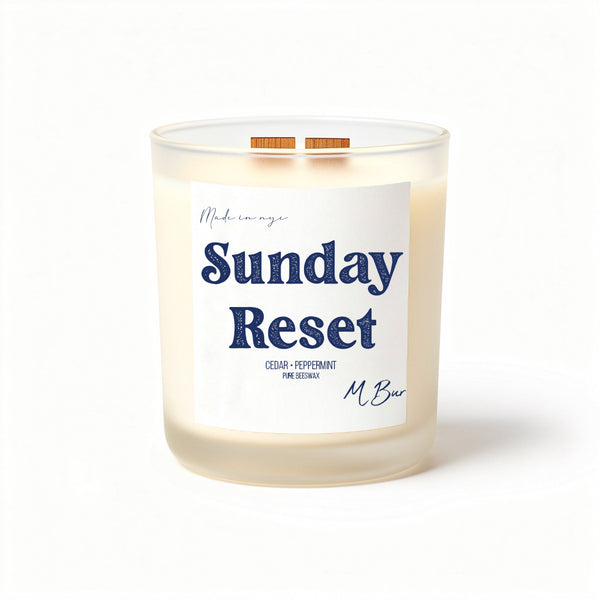
MBur checks every one. Our candles are 100 percent beeswax, single ingredient wax with no blend. We use wooden wicks that crackle and burn evenly, phthalate free fragrance, and no chemical dyes. Everything is handmade in small batches in Queens, New York.
The payoff shows up for people who are sensitive to conventional candles. This is the kind of thing customers tell us all the time.
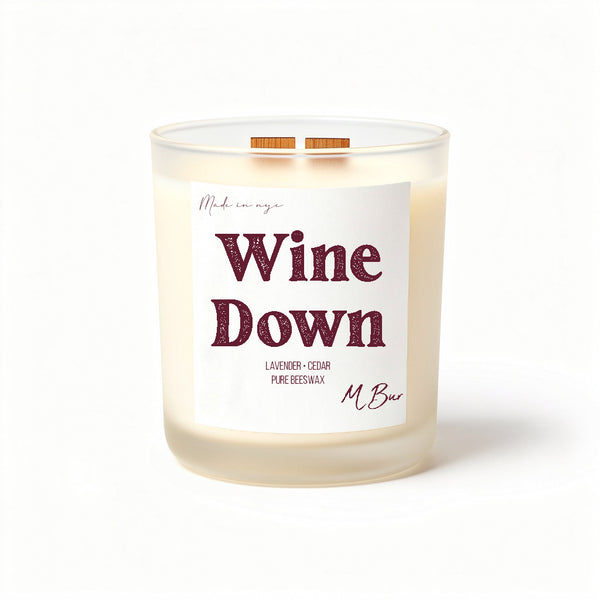
"Absolutely loved the Wine Down candle! The scent is so light and clean, not overpowering at all, which is exactly what I look for. A lot of other candles tend to give me headaches, but this one was a total game changer. I was able to enjoy the calming aroma without any discomfort."
Nicole D.
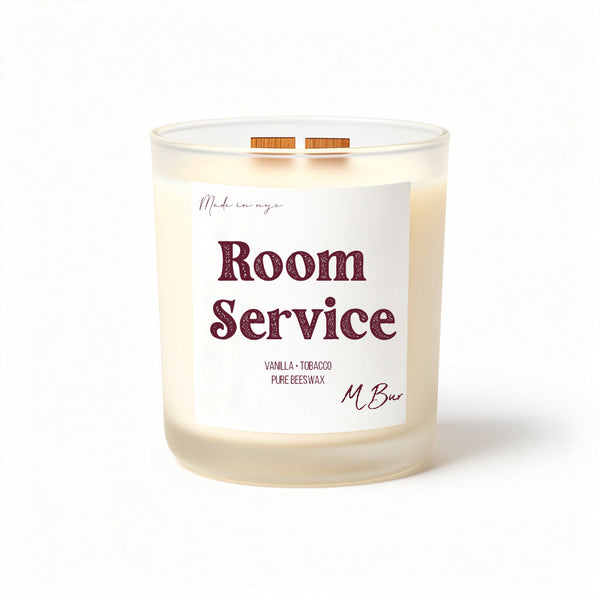
That's Wine Down, our lavender, chamomile, sage, and rosemary blend, a good pick if you want something quiet for the end of the day. If you'd rather lean into the fancy hotel lobby vibe, Room Service is our bestseller and does exactly that. Both start at $20 for the 20 hour size and go up to $65 for the 80 hour size.
A quick, honest note: if you have asthma or another respiratory condition, or you're pregnant, a cleaner candle is less likely to irritate, but it isn't a treatment for anything. Follow your doctor's guidance on what works for you.
Practical tips for a cleaner burn, no matter what candle you own
Even the cleanest candle burns better with a little maintenance. A few things that make a real difference:
- Trim the wick to about a quarter inch before every burn. A long wick throws more soot and particulate.
- Keep the room ventilated, especially if you burn candles for several hours at a stretch.
- Let the wax pool reach the edges of the vessel on the first burn so it doesn't tunnel.
- Cap burn sessions at around three to four hours, then let it rest.
These habits cut down on indoor particulate regardless of what's in the wax, so they're worth doing across the board.

The takeaway
Phthalates hide in the fragrance, not the wax, and vague labels are how they stay hidden, so the real move is choosing a brand that lists what's inside and pairs a clean fragrance with a clean wax base. Beeswax plus a wooden wick plus phthalate free fragrance is about as clean as a scented candle gets.
If you want to make the switch, start with our full beeswax candle collection. It's the same lineup that's earned strong reviews from people who used to get headaches from conventional candles, and there's a size and scent in there for just about everyone.
Related reading
- What Makes a Candle Non Toxic? How to Spot the Real Thing
- Why Paraffin Free Candles Are a Must Have for a Healthier Home
- Discover the Benefits of Non Toxic Candle Fragrance Oils: Enhancing Your Space without Harmful Chemicals
- Do Scented Candles Make Your Head Spin? Understanding the Potential Headache Triggers

