

Why People Candle Eggs Before Eating Them (And Whether You Need To)
If you have ever cracked an egg into a bowl and found a dark spot, a cloudy ring, or something that made you gag before breakfast, you already understand the problem candling solves. You cannot see inside an eggshell. That opaque calcium wall hides everything from a harmless blood speck to an egg that has been quietly developing an embryo under a broody hen for a week.
Candling fixes that blind spot. Shine a concentrated light through the shell in a dark room, and the inside lights up like a little stained glass window. Backyard chicken keepers, homesteaders, and commercial graders all use it to decide which eggs go in the pan and which ones go in the trash. If you want a cozy light source for your kitchen while you sort, browse our full beeswax candle collection, though I will be honest up front about which tool actually does the candling job best.
What Candling Actually Is
The name is a holdover from when people literally held eggs up to a candle flame. The idea is simple. A bright, focused light passes through the shell and reveals the yolk, the white, the air cell at the fat end, and any flaws floating around inside.
Candling is an inspection method, full stop. It does not cook the egg or change it. You still boil, fry, or steam afterward. What it buys you is information you cannot get any other way without smashing the shell first.

Why This Matters More Than You Think
Grocery store eggs get candled before they ever reach you. Commercial processing facilities run eggs past automated or manual candling systems to grade internal quality and screen out cracked or defective units. So the eggs in the carton have already passed a screening you never saw.
The people who candle at home are usually backyard flock keepers. Hens share nesting boxes and cause what the University of Georgia extension folks charmingly call egg box switcheroos, where fresh table eggs get mixed under a broody hen. Candling tells you which gathered eggs are completely fresh and safe for the kitchen and which ones have started to develop.
According to the University of Georgia Poultry Science, embryo development can typically be spotted starting around day 3 to day 5 of incubation and becomes clearly distinguishable by day 7 to day 10. An egg left under a broody hen for less than a few days generally shows no advanced development, which is why timing matters so much.
The Real Benefits of Candling Before You Eat
Here is what candling reveals, and why each one keeps something unpleasant out of your breakfast.
Freshness
A fresh egg has a small, tight air cell at the fat end. As an egg ages and loses moisture, that air cell grows. Candle an older egg and you will see a noticeably larger pocket, the same physics behind why old eggs float in water. If the air cell has ballooned, you know the egg is past its prime before you crack it.
Internal defects
Blood spots, meat spots, bloody whites, and hairline cracks all show up under a good light. None of these are necessarily dangerous, but most people would rather find them through the shell than in the skillet.
Embryo development
This is the big one for anyone with a rooster in the mix. Candling reveals blood rings and developing embryos so you can set those eggs aside. Most home cooks discard eggs showing embryonic development out of food safety and simple preference.

How to Candle an Egg at Home
The process takes about ten seconds per egg once you get the rhythm. Here is the short version.
- Work in a darkened room or a dim space. The darker the better.
- Press a concentrated light source tightly against the large end of the egg, where the air cell sits.
- Rotate the egg slowly and look for a clear white, a shadowed yolk, and a small air pocket. Flag anything with dark rings, spots, or a large air cell.
A word on light sources. The most common mistake is reaching for a standard household flashlight, which is usually too dim or too unfocused to punch through a thick or dark tinted shell. A dedicated LED egg candler or a tightly focused flashlight works far better. A candle flame technically works, which is where the whole practice got its name, but a modern LED will show you more detail with less fuss.
"From the packaging to the burn of the candle, everything was top notch. Candle burned slowly and was exactly the amount of hours the company said it would burn. Company included samples, instructions, and shipped fast. Well done, MBur Candle Co!" Portia Darby
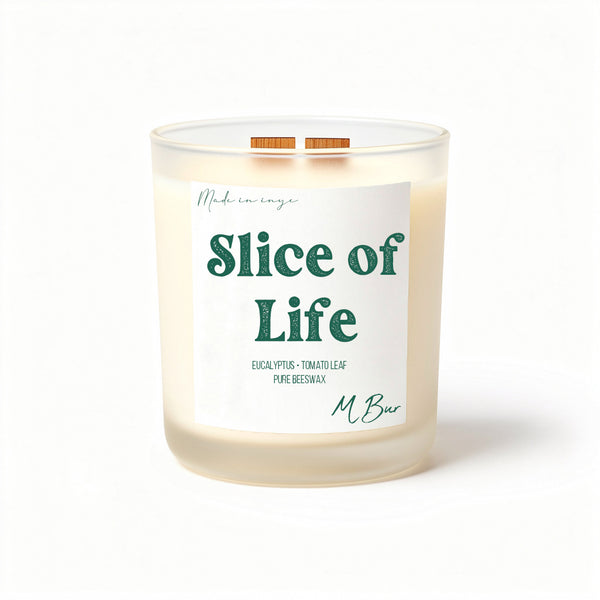
That said, if you keep a warm, clean light going in your kitchen while you sort a morning's haul, you want one that will not throw soot or headaches at you while you work. A pure beeswax candle like Slice of Life (20 hour size, $20) leans into that fresh, green kitchen atmosphere with notes of spearmint, eucalyptus, tomato leaf, anise, and mint. It sets the mood for kitchen work without competing with the eggs.
Clearing Up the Myths
A few things people get wrong about candling and eating eggs.
Candling is not a cooking method. It only inspects. You still cook the egg afterward.
Candled fertilized eggs are not automatically spoiled. When properly timed, eggs destined for dishes like balut are fresh and hygienically cooked straight from a specific incubation window, which is completely different from a naturally rotted egg.
You do not need to candle store bought eggs. Commercial facilities already did that step for you. Candling is mostly a backyard flock and homesteading skill.
A Note on Fertilized Eggs and Balut
Candling plays a starring role in balut, the fertilized duck egg street food popular across the Philippines, Vietnam, and Cambodia. Vendors candle the eggs to verify the embryo has reached the right stage before boiling. For standard incubation windows, roughly 14 to 21 days, the embryonic bones of ducks stay soft and tender, so they chew easily rather than posing a hard hazard. Balut is prized as a rich source of protein, calcium, iron, and B vitamins, and social media has slowly shifted the conversation from shock value toward genuine nutritional and cultural appreciation.
The Takeaway
Candling gives you a way to see inside an egg before you commit it to the pan, which means fewer surprises, safer sorting, and better freshness checks. Backyard flock keepers get the most out of it, though anyone curious about their eggs can learn it in an afternoon. For the actual candling, grab a focused LED light, and for a clean, warm kitchen glow while you sort, MBur candles hold their own with a soot free beeswax burn.
MBur candles have earned 57 reviews from people who noticed the difference a pure beeswax burn makes, from cleaner air to a scent that fills the room without the headache. Ready to bring one home? Browse our full beeswax candle collection.

Related reading

