

Why Do We Put Candles on Cake? The 5,000-Year Story Behind the Tradition
The earliest written record of candles standing in a birthday cake comes from Germany in 1746, at a party for a count named Ludwig von Zinzendorf. A guest described a cake with as many lit candles as the count had years. That is the paper trail. The actual habit of pairing fire and cake is far older, stretching back thousands of years to a moon goddess and a plate of honey.
Most of what people repeat about cake candles is half true at best. The Greeks did light candles on round cakes, but not for anyone's birthday. The "evil spirits" story is real, but it was never the whole reason. If you have ever wondered why candle on cake became a near universal ritual, the answer is stranger and more interesting than the usual one line explanation.
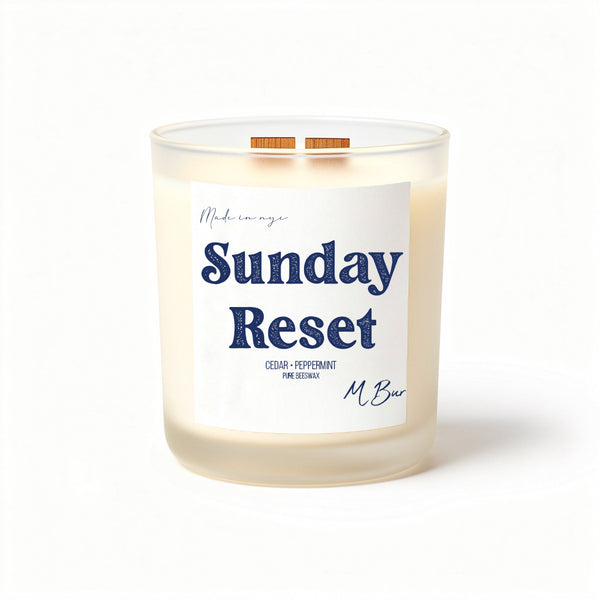
While we sort out the myth from the record, it is worth remembering that a candle's job has always been symbolic first. That is still true of the wooden wick beeswax candles in our full beeswax candle collection, which trace their material back roughly 5,000 years to the very first candles humans ever made.

Start With the Moon, Not the Birthday
Historians link the deepest roots of the tradition to ancient Greece. Worshippers baked round honey cakes and set lit candles on top as offerings to Artemis, goddess of the moon.
The round shape and the small flames were meant to mimic the glow of the moon itself. These cakes went to a temple, not a dinner table.
Here is the correction to popular lore: the Greeks were not celebrating individual birthdays with these cakes. They were sending a message. Rising smoke was believed to carry prayers straight up to the gods.
That single idea, smoke as a courier for wishes, is the thread that survives to this day. Every time someone leans over a cake and makes a silent wish, they are echoing a belief that is thousands of years old.
The Romans Made It Personal
Ancient Rome pushed the celebration closer to the version we know. Romans marked the birthdays of important people, especially the elite, with dedicated feasts and honors.
The personal birthday, the idea that one specific human's arrival deserved marking on a set date, took hold here. Cakes and celebration began to attach to a person rather than a deity.
Still, the combination of an individual's age, a cake, and a specific count of candles had not fully arrived. That last piece came much later, and it came from Germany.
Germany's Kinderfest and the "Light of Life"
By the 18th century, German families were holding celebrations called Kinderfest, festivals centered on children. Candles played a starring role.
One candle was lit for each year the child had lived. Families often added an extra candle, sometimes called the "light of life," for good luck and continued protection.
The candles stayed lit through the day and were replaced as they burned down, keeping the flame going until the meal. Only then were they blown out, and a wish was made as the smoke rose.
Part of the reasoning was protective. Some families believed the light and flame helped guard the child from malicious spirits during a vulnerable moment. Modern retellings tend to blow this "evil spirits" angle out of proportion and treat it as the whole story. In reality, the symbolic light of a life and the wish carrying smoke mattered just as much.
The poet Goethe left an account of a birthday celebration in 1802 that featured this exact setup, a candle for every year lived. That record helped cement the German origin of the tradition we practice now.

How a Luxury Became a Universal Ritual
For a long stretch, a layered, frosted cake studded with candles was a rich family's luxury. Sugar, refined flour, and clean burning candles cost money.
The Industrial Revolution changed the math. Starting in the 1760s and accelerating through the 1800s, mass production made baking ingredients cheap and widely available.
Paraffin candles, a petroleum byproduct, became inexpensive to manufacture at the same time. That combination brought the candle topped birthday cake out of wealthy homes and into ordinary ones.
Within a few generations, the ritual spread across most of the Western world and beyond. What began as a temple offering to the moon ended up on kitchen tables everywhere.
"Absolutely obsessed with M Bur Candle Co, my roommate and I own 6/8 of the scents. They smell up a WHOLE room during the burn and even a while after blowing them out. I won't buy other candles anymore, they're just that good." Paige
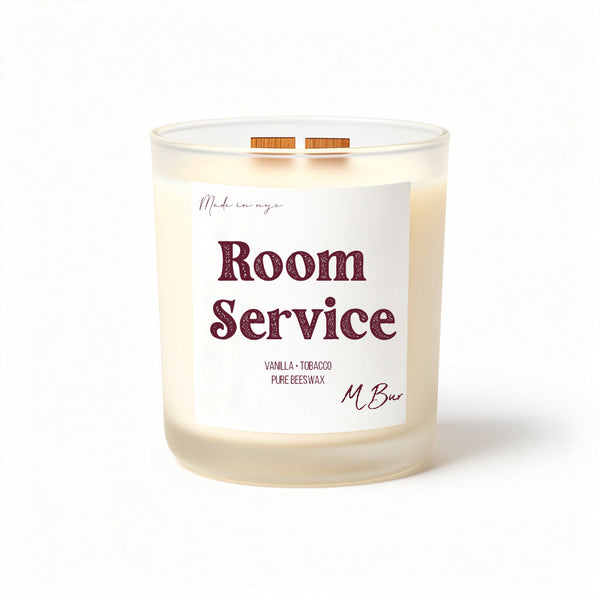
Paige is talking about scent, but she lands on the same detail our ancestors cared about: what lingers after the flame goes out. If you want a candle that carries the moment rather than a chemical afterthought, beeswax is the oldest and cleanest answer. A wooden wick option like the Room Service candle gives you that soft crackle and a warm room service lobby warmth long after you snuff it.
Why We Blow Them Out (and Why That Is Getting a Rethink)
The blowing out step ties directly back to that ancient belief about smoke. Folklore holds that if you extinguish every flame in a single breath, your silent wish comes true and good luck follows for the year.
The smoke rising off the wick is the modern remnant of prayers ascending to Greek gods. It is a beautiful continuity, one shared meaning surviving across thousands of years and countless cultures.
There is a practical wrinkle worth knowing. A widely cited 2017 Clemson University food science study found that blowing out candles increased bacteria on the frosting by roughly 1,400 percent compared to unblown cake.
Health experts are quick to add that the cake is generally still safe to eat for a healthy group. But the finding nudged some hosts toward alternatives, especially during flu season or when the birthday person is under the weather. Numeral shaped candles, cake sparklers, and touchless snuffing have all gained ground as a result.
What the Candle Really Symbolizes
Strip away the frosting and the party hats and you are left with a very old human instinct. Fire marks a moment as significant. Light stands in for a life. Rising smoke carries a hope you cannot say out loud.
That symbolism is why the candle matters more than the cake in the ritual. The cake feeds the room. The candle does the emotional work.
It is also why the material of a candle carries a quiet weight. Beeswax is the original candle material, used as a light source for roughly 5,000 years, long before paraffin existed. Lighting a beeswax candle for a milestone is about as close as you can get to how the very first candle bearers did it.
Frequently Asked Questions
Why do we put candles on a birthday cake?
The tradition blends ancient Greek offerings of moon shaped honey cakes to the goddess Artemis with 18th century German Kinderfest celebrations, where a candle for each year symbolized the "light of life." If you want to honor that history with a cleaner flame, beeswax options in our full beeswax candle collection use the oldest candle material humans ever burned.
Where did the idea of making a birthday wish come from?
Ancient cultures believed candle smoke carried prayers and wishes upward to the gods. That belief is why blowing out the flames and watching the smoke rise still feels meaningful today.
Who invented the modern birthday cake with candles?
The earliest well documented record comes from Germany in 1746, at a celebration for Count Ludwig von Zinzendorf, where candles matched his age. Goethe later described a similar setup in 1802.
Why do we blow out all the candles in one breath?
Folklore says extinguishing every flame in a single breath guarantees your wish comes true and brings good luck for the year ahead. It is pure superstition, but it has stuck around for centuries.
Did ancient Greeks celebrate birthdays with cakes?
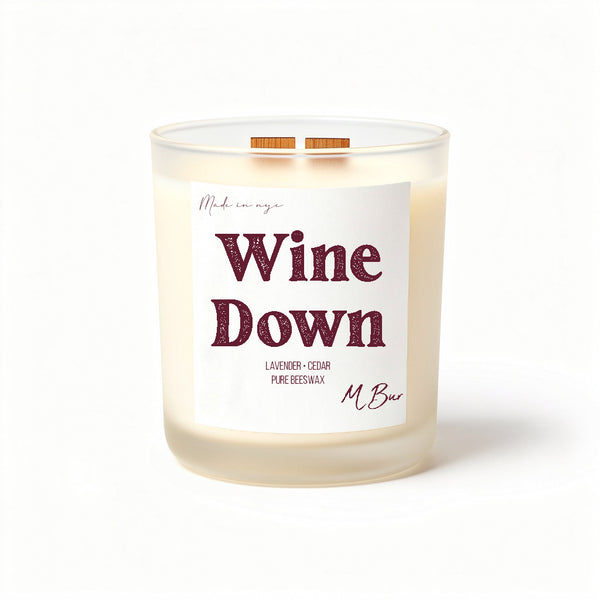
Not personal birthdays. They baked round honey cakes as temple offerings to the moon goddess Artemis rather than to mark an individual's age. For an evening candle that leans into that quiet, ritual feeling, something like the Wine Down candle with its lavender and sage is a fitting choice.
The Takeaway
The candle on your cake is a 5,000 year old idea wearing party clothes. It links a temple offering to the moon, a German festival protecting children, and an industrial boom that put the ritual on every table. What survives through all of it is the smoke, and the wish it carries.
If you want to mark the next milestone with the same material the very first candle makers used, beeswax is the way to do it. MBur's collection carries a 4.8 star average across dozens of reviews, and readers keep coming back for the clean burn. Explore our full beeswax candle collection and pick the scent that fits your moment.

Related reading

