

Why Are Beeswax Candles Expensive? The Real Math Behind MBur Pricing
Why Are Beeswax Candles Expensive? The Real Math Behind MBur Pricing
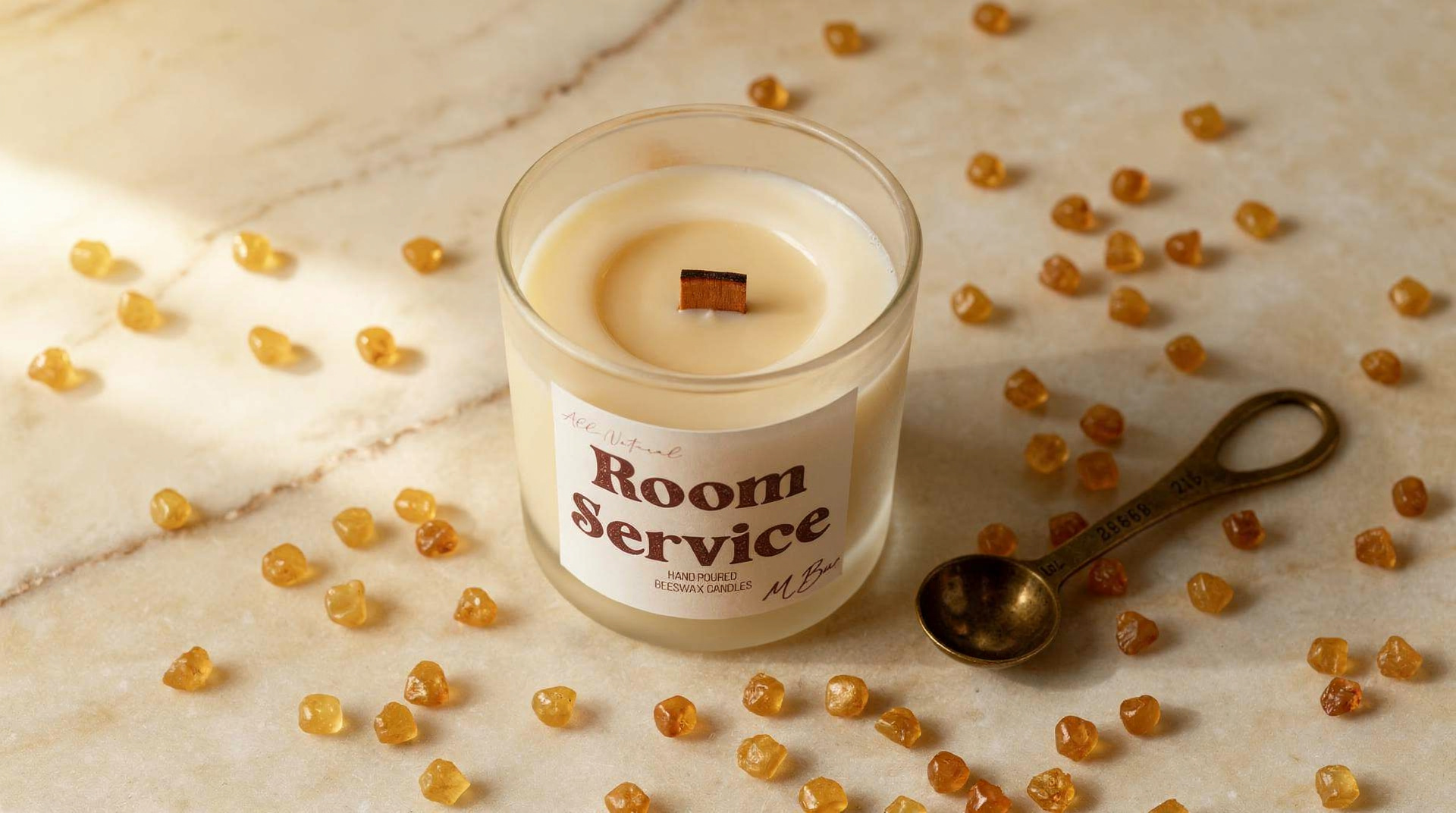
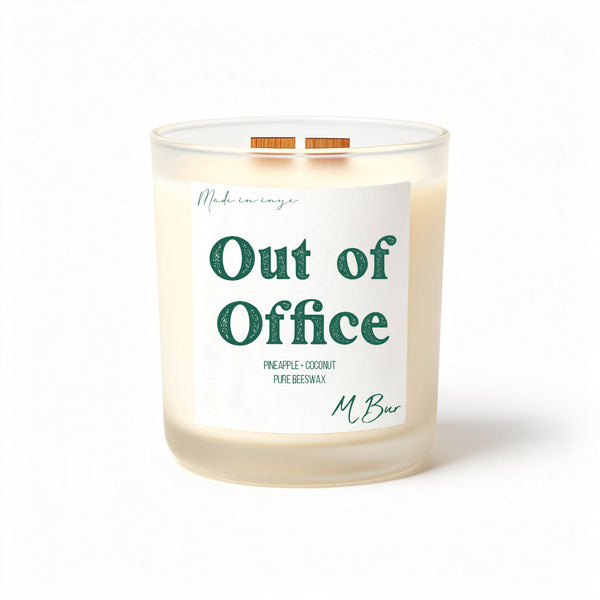
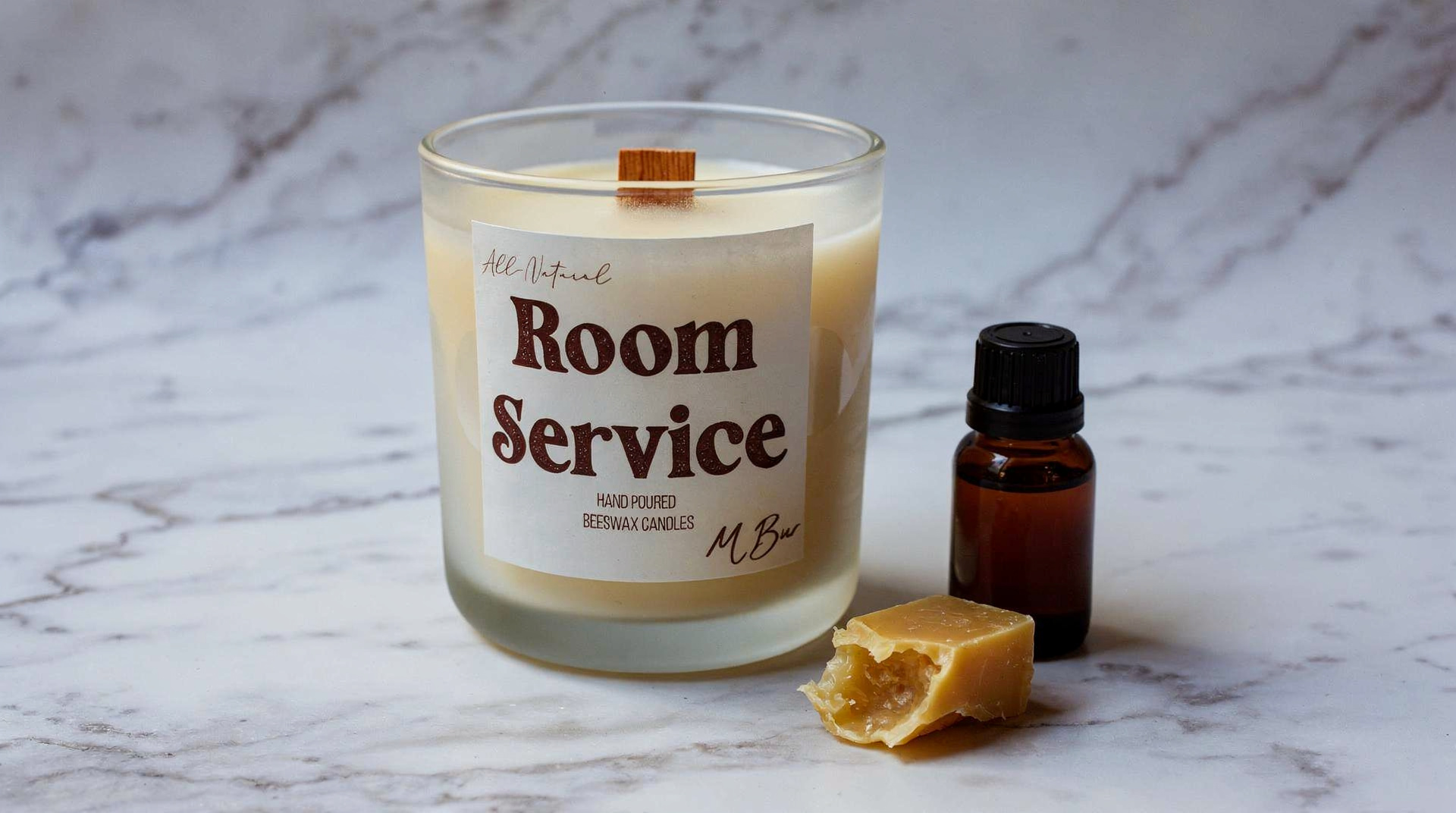
The first thing you notice about Room Service is that it does not smell like a candle. It smells like a hotel room that costs more per night than your car payment, the kind of place where they leave something brewing before you arrive and the whole hallway outside your door smells better than most people's homes on their best day. That specificity is not an accident. It is the result of real ingredients, real decisions, and a price tag that a lot of people see and immediately ask: wait, why does this cost that much?
Fair question. Let us actually answer it.
The Ingredient That Changes Everything
Most candles are made with paraffin wax. Paraffin is a petroleum byproduct, full stop. It is cheap, it holds toxic fragrance well, and it burns fast. That last part matters more than most people realize.
Beeswax has the highest melting point of any candle wax, which means it burns slower and hotter. A 12oz paraffin candle from a big box retailer might give you 45 to 60 hours of burn time. Our 12oz beeswax candle gives you 80 hours of burn time. That is physics.
Beeswax itself costs significantly more per pound than paraffin. Industry wholesale pricing puts paraffin wax at roughly $1 to $2 per pound. Pure beeswax runs $8 to $15 per pound depending on sourcing and quality. We use 100% beeswax, no blending, no filler. That single decision is the biggest driver of our pricing and also the biggest driver of your value.
The Cost Per Hour Math Nobody Shows You
Most candle pricing comparisons stop at the sticker price. That is the wrong number to look at.
A popular Bath and Body Works three wick candle retails for around $26.50 and burns for approximately 45 hours. That works out to roughly $0.59 per hour of burn time.
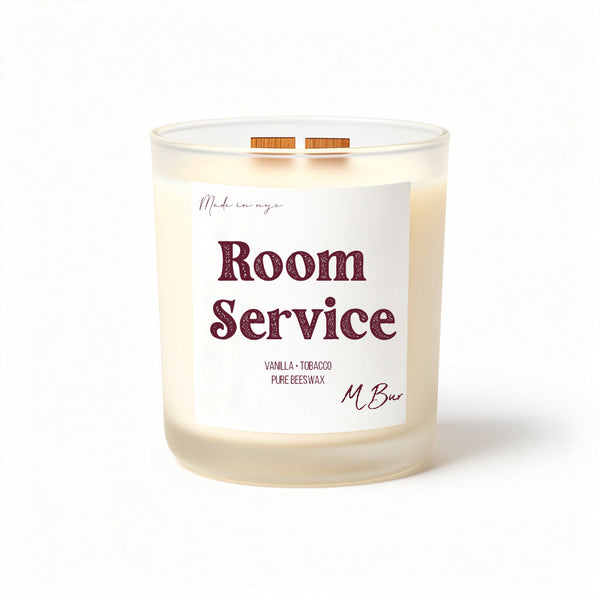
Our 12oz Room Service candle is $65 and burns for 80 hours. That is $0.75 per hour.
Yes, that is more per hour. But here is what that extra $0.16 per hour actually buys you: no petroleum byproducts releasing benzene and toluene into your air, no toxic fragrance chemicals, no metal core wick, no black soot coating your walls and ceiling. You are not just buying a candle. You are buying a different category of product entirely.
And if you compare at the smaller sizes, the math shifts further in our favor. Our 20 hour candle is $20. That is $1.00 per hour. A Yankee Candle votive burns for roughly 10 to 15 hours at around $10, putting it at $0.67 to $1.00 per hour for a wax that releases VOCs and burns faster than it should. Same price range, completely different burn quality.
What Is Actually Inside the Jar
Beyond the wax, three more things drive our cost and our quality.
The Fragrance
We use phthalate free fragrance in every candle. Phthalates are plasticizing chemicals commonly used in toxic fragrance blends to help scent stick to surfaces and skin. They are linked to hormonal disruption and have no business being burned in an enclosed space. Phthalate free fragrance oil costs more. We use it anyway because the alternative is not something we are interested in selling.
Room Service specifically is built around vanilla, tobacco, saffron, orchid, and tonka bean. That scent profile required development time and sourcing costs that a generic vanilla candle does not. Complexity costs money. When a fragrance smells like something specific and recognizable rather than a vague approximation, that is expensive.
The Wick
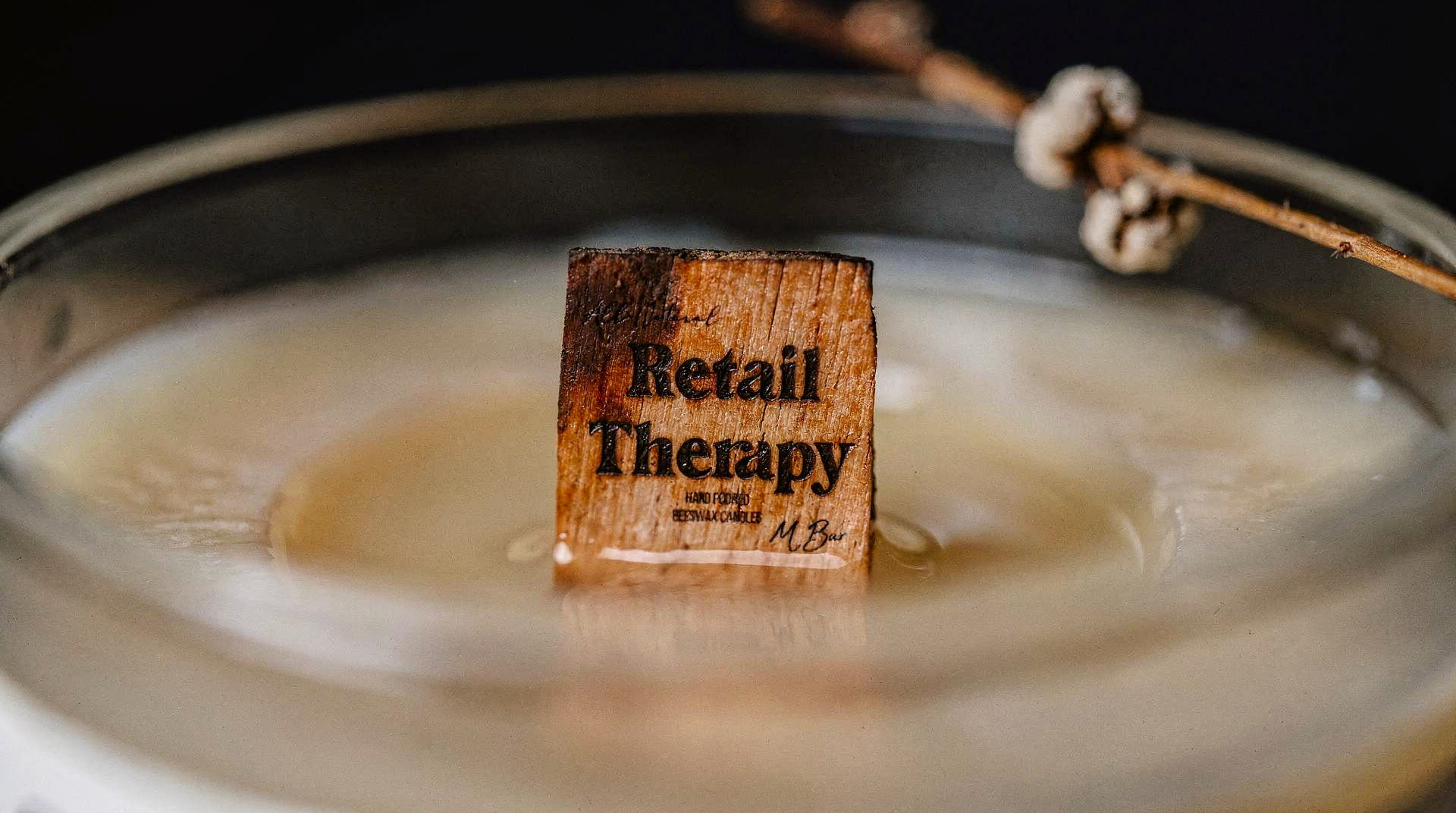
We use wooden wicks. Not because they look better (though they do), but because they burn more evenly and produce less soot than cotton wicks. Wooden wicks also require more precise sizing for each vessel diameter, which means more testing per candle, more cost per unit, and better results in your home.
The Labor
Every MBur candle is handmade in Queens, NY. That means it is not produced on an assembly line in a facility turning out thousands of units per hour. It means a person poured it, set the wick, checked the fill level, and packaged it. Labor in New York City is not cheap. We are not interested in outsourcing that to cut costs, because the quality control that comes with small batch production is part of what you are paying for.
What Real Customers Figured Out
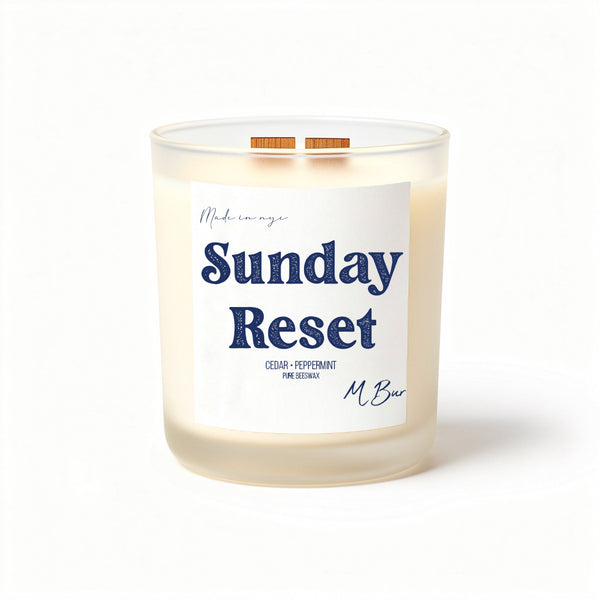
"From the packaging to the burn of the candle, everything was top notch! Candle burned slowly and was exactly the amount of hours the company said it would burn. I was able to enjoy it for days even though it was the smaller size." Portia Darby, Sunday Reset Candle
Portia bought a smaller size and it lasted for days. That is the burn time advantage in real life. It is the difference between a candle you blow out after a week and one you are still burning three weeks later.
"I absolutely love these candles! I instantly notice the difference in the air quality, in comparison to the Bath and Body scented candles. I love Bath and Body's candles but I acknowledge that it caused a slight headache and other minor respiratory discomfort. Awesome products. Totally addicted." Jason H., Sunday Reset Candle
Jason is describing something real. The headaches people get from paraffin candles with toxic fragrance are not imagined. They are a documented response to VOC exposure in enclosed spaces. When he switched to beeswax, the headaches stopped. That is worth more than the price difference.
How This Compares to Other Premium Options
If you are already shopping in the premium candle space, you are probably familiar with a few names.
Otherland candles retail for around $36 for a 7.5oz vessel with approximately 55 hours of burn time, coming out to roughly $0.65 per hour. They use a coconut and apricot wax blend with cotton wicks and non toxic fragrance. Genuinely a solid product.
Boy Smells candles run about $38 for a 8.5oz candle with 50 hours of burn time, roughly $0.76 per hour. They use a coconut and beeswax blend. The blend part is important: most candles marketed as beeswax are actually beeswax blended with a cheaper wax to reduce cost. We use 100% beeswax with no blending.
At $65 for 80 hours, our 12oz candle sits at $0.75 per hour for a single ingredient wax, wooden wick, phthalate free fragrance, and Queens made production. When you line those numbers up, the question stops being "why is this expensive" and starts being "why is everything else so cheap."
Frequently Asked Questions
Why are beeswax candles more expensive than soy or paraffin?
Beeswax costs 4 to 8 times more per pound than paraffin and 2 to 3 times more than most soy wax. It also burns longer than both, so the cost per hour is more competitive than the sticker price suggests.
Does the burn time claim actually hold up?
Yes. Multiple customers have independently confirmed the burn times on their purchases. The 80 hour claim on the 12oz candle is based on beeswax's high melting point and the controlled burn of a wooden wick.
Are phthalate free candles really that different?
Phthalates are endocrine disruptors found in many conventional fragrance blends. When burned, they release into the air you are breathing. Phthalate free fragrance removes that risk entirely. Customers who previously got headaches from candles consistently report the issue disappears when they switch.
Is the wooden wick just aesthetic?
No. Wooden wicks produce a lower, wider flame that burns the wax more evenly and generates less soot than cotton wicks. They also produce that crackling sound, which is a real acoustic byproduct of the wood burning. The even burn also prevents tunneling, which is what wastes wax along the sides of the jar in lesser candles.
Can I get the same quality for less somewhere else?
Possibly, but you would need to verify: 100% beeswax (not a blend), phthalate free fragrance, wooden wick, and a burn time that holds up. Most candles marketed as "beeswax" are blends. Check the label before you assume.
The Short Version
Our candles cost what they cost because the ingredients cost what they cost. Beeswax is expensive. Phthalate free fragrance is expensive. Wooden wicks and small batch production in New York City are expensive. The result is a candle that burns for 80 hours, does not give you a headache, does not coat your walls in soot, and smells like something specific rather than something vague.
The 12oz Room Service candle at $60 is $0.75 per hour of clean, specific, slow burning fragrance. That is what you are paying for. The 20-hour size at $20 is the lowest-commitment way to find out for yourself.
Shop the full MBur beeswax candle collection
What buyers say:

