

What's Actually in a Glade Candle vs a Beeswax One: A Deep Dive
The internet has strong opinions about candle wax. You will find endless debates about soy versus paraffin and coconut blends versus palm wax. But when you strip away the marketing and look at the actual ingredient labels, the real conversation is between mass market petroleum blends and pure beeswax. People want to know what they are actually breathing when they light a jar from the grocery store versus a hand poured beeswax candle.
We are going to break down the exact composition, burn mechanics, and true cost of a standard Glade candle compared to a pure beeswax alternative. By the end of this guide, you will know exactly which wax belongs in your living room. If you want to skip the science and just browse clean options, you can explore our full beeswax candle collection right now.
The Ingredient Breakdown
Let us look at the actual chemical composition. A standard Glade candle relies on a proprietary specialty wax blend. According to manufacturer transparency reports, this blend typically includes synthetic wax, petrolatum, and microcrystalline wax. These are all petroleum derivatives. They also contain toxic fragrances, polyoxypropylene dimethicone, and UV stabilizers like octabenzone to keep the color from fading on the shelf.
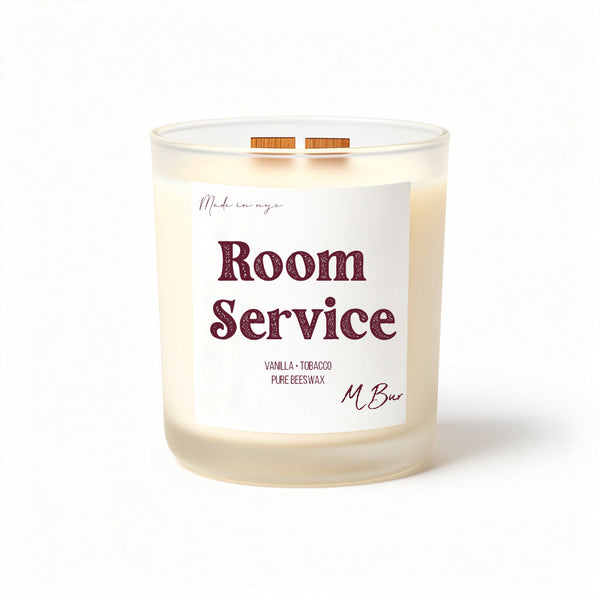
Pure beeswax is entirely different. It is a single ingredient wax produced by honey bees. The composition includes at least 284 different natural compounds, mostly long chain alkanes, acids, esters, and polyesters. Pure beeswax contains zero petrolatum and zero microcrystalline wax. When you buy a 100 percent pure beeswax candle, you are getting exactly that. MBur candles use pure beeswax paired with a wooden wick and non toxic fragrance oils. You can see the exact ingredients for options like the Room Service candle on the product page.

Burn Time and the Real Cost Per Hour
The upfront price tag tells a very different story than the actual cost per hour of burn time. You can pick up a two pack of Glade candles for around six dollars. That feels cheap until you calculate how fast they melt. Paraffin and synthetic wax blends have a much lower melting point. They burn through their fuel rapidly and often tunnel straight down the middle, leaving an inch of unburned wax stuck to the glass.
Beeswax has the highest melting point of any candle wax. This physical property means it burns significantly slower. A pure beeswax candle will burn two to three times longer than a paraffin candle of the exact same size. The dense wax requires a higher temperature to liquefy, which forces the flame to consume the fuel at a measured, deliberate pace.
Let us look at the math. Our largest beeswax candle size is the 80 hour option priced at $65. That breaks down to 75 cents per hour of clean burn time. A cheap petroleum candle might cost three dollars but only lasts 15 hours, bringing the cost to 20 cents per hour. The gap narrows considerably when you factor in the longevity. Plus, you are paying for an even melt pool that reaches the edges of the glass, rather than a tunneling wax mess you have to scrape out with a butter knife.
Scent Throw and Indoor Air Quality
This is where the health implications become very real. Mass market candles rely heavily on toxic fragrances to achieve a massive scent throw. These fragrance oils often contain phthalates and parabens. When you burn petroleum wax mixed with these chemicals, it releases volatile organic compounds into your home. You might also notice black soot accumulating on your walls and ceilings over time. The intense chemical throw can also cause olfactory fatigue, where your brain simply blocks out the smell after twenty minutes because it registers the compounds as an irritant.
Pure beeswax burns incredibly clean. It produces virtually no soot and no black smoke. The wax itself has a very faint, natural honey undertone. When we add scent, we use only non toxic, phthalate free fragrance oils. The throw is robust but it will not give you a headache or leave a chemical film on your furniture. Because the wax melts slower, the scent releases steadily over hours rather than hitting you with an overwhelming wall of perfume the second you strike the match.

We hear this difference from our customers constantly. Jason H. left a review on the Retail Therapy candle noting the immediate contrast. He wrote, "I absolutely love these candles! I instantly notice the difference in the air quality, in comparison to the Bath & Body scented candles. I love Bath & Body's candles but I acknowledge that it caused a slight headache and other minor respiratory discomfort. Awesome products. Totally addicted."
Some studies suggest that burning pure beeswax releases negative ions. These ions may help neutralize airborne particles like dust and odors. While you should always follow your doctor's guidance for specific medical conditions, a cleaner burn simply means fewer irritants in your breathing space.
Wick Composition and Flame Quality
Mass market candles almost exclusively use braided cotton wicks treated with chemical stiffeners. Some cheaper imports even use metal core wicks to keep the wick standing upright in soft paraffin wax. These metal cores can introduce trace amounts of heavy metals into your air. The flame on a standard paraffin candle often flickers wildly and produces a visible trail of black smoke when you blow it out.
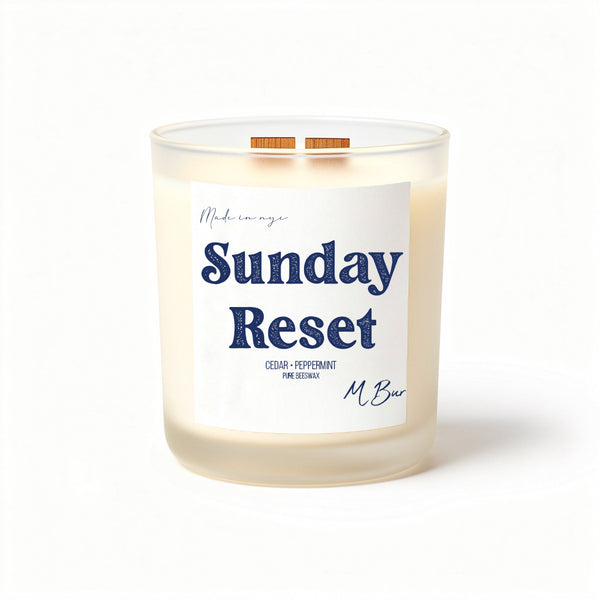
Pure beeswax requires a different approach. Because the wax is denser, it needs a robust wick to maintain an even melt pool. We use wooden wicks in every MBur candle. Wood wicks burn hotter and wider, which is exactly what beeswax needs to melt evenly to the edges of the glass. They also produce a gentle crackling sound that adds a sensory layer to your evening routine. The flame stays steady and produces zero black smoke when extinguished.
The Final Verdict
So which one should you buy? It depends entirely on your goal.
If you need to mask a strong odor in a garage or a mudroom for twenty minutes and want to spend the absolute minimum amount of money, a mass market petroleum candle gets the job done.
If you are burning a candle in your bedroom or your living room, pure beeswax is the clear winner. The clean burn, the lack of toxic fumes, and the superior burn time make it the better investment for your daily routine. You get the ambiance and the scent without compromising your indoor air quality.
Frequently Asked Questions
Does beeswax really purify the air?
Burning pure beeswax is associated with releasing negative ions. Some studies suggest these ions can neutralize airborne particles like dust and odors. While it is a great sensory experience and a cleaner burn, you should always rely on proper ventilation and medical advice for health concerns. You can explore our full beeswax candle collection to find a clean burning option for your space.
Are Glade candles toxic to burn?
Glade and similar mass market candles use petroleum derived waxes and toxic fragrances. When lit, these ingredients can release volatile organic compounds and soot into the air. They are perfectly legal to sell, but they introduce more chemical irritants into your home than a pure beeswax alternative.
How long do beeswax candles burn compared to paraffin?
Beeswax has a much higher melting point than paraffin or soy. Because of this, a pure beeswax candle will burn two to three times longer than a paraffin candle of the exact same weight and size.
Is 100 percent beeswax better than a beeswax blend?
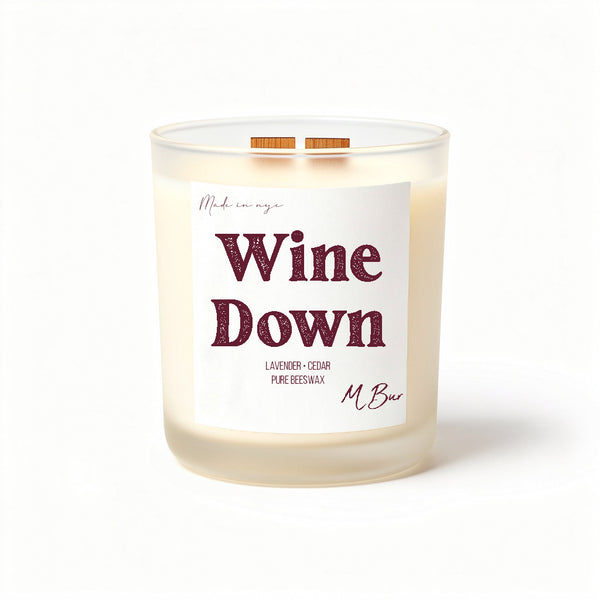
Yes. Many candles labeled as beeswax are actually blends containing mostly paraffin. A blend dilutes the clean burning properties and the long burn time. You want to look for 100 percent pure beeswax to get the actual benefits. Our Wine Down candle and every other option we make uses only pure, unblended beeswax.
Make the Switch to a Cleaner Burn
The ingredients inside your candle dictate the air quality inside your home. Mass market petroleum blends offer a cheap upfront price but fill your space with soot and toxic fragrances. Pure beeswax provides a cleaner, longer lasting burn with non toxic scents that actually smell like the ingredients they claim to be.
We recommend upgrading your daily burn to 100 percent pure beeswax. You can browse our entire lineup and find your new favorite scent in our full beeswax candle collection. With thousands of five star reviews from customers who refuse to go back to paraffin, you will notice the difference on the very first light.

Related reading

