

The Surprising Benefits of Beeswax Candles for Farmers and Rural Homesteaders
The oldest intact candle ever found was made of beeswax. It sat in a French tomb for hundreds of years and still held its shape. Beekeepers were pouring light long before electricity, long before paraffin, back around 5,000 BCE.
That history matters more on a farm than most people think. A hive gives you honey, but it also gives you wax the colony no longer needs. Rural homesteaders have quietly turned that leftover into light for generations, and if you want to skip the rendering and just enjoy the result, MBur's 100% beeswax candles keep a farmhouse smelling clean without paraffin soot hanging in the air.

Why farms and beeswax have always gone together
Bees do more than make honey. They pollinate crops. On a working farm, a healthy apiary quietly boosts the yield of what grows in the field and the orchard.
Wax is the part people forget. Bees build comb, fill it, and over a season some of that comb becomes surplus. A responsible beekeeper takes only the excess, the part the colony does not need for structure or brood. The hive stays unharmed.
That surplus is a free resource. Rendered down, it becomes salves, food wraps, waterproofing, and candles. Nothing gets wasted. This closed loop is the heart of homesteading.
The part that surprises new beekeepers
Most people start keeping bees for honey. Then the wax stacks up. Turning it into candles gives a small farm a second product to sell at the market, one that stores for years and never spoils.
That is the payoff worth reading for. The real value of beeswax on a farm is not the light. It is the way one hive feeds three or four income streams at once.
The clean burn that matters in a sealed farmhouse
Old farmhouses trap air. Wood stoves, tight windows, long winters. Whatever you burn indoors stays with you.
Paraffin wax is a petroleum byproduct. When it burns, it releases benzene, toluene, and formaldehyde. That soot settles on walls and lungs alike.
Beeswax burns differently. It gives off little to no soot and no petroleum smoke. Research has shown beeswax produces a cleaner burn than paraffin, which matters most in a small, closed room.
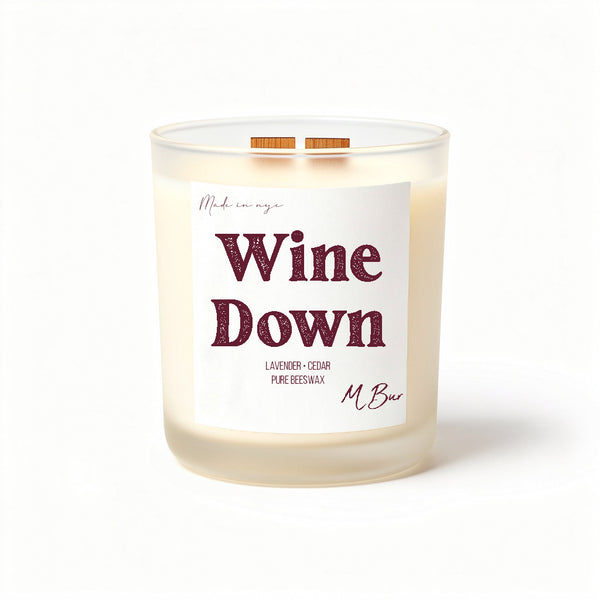
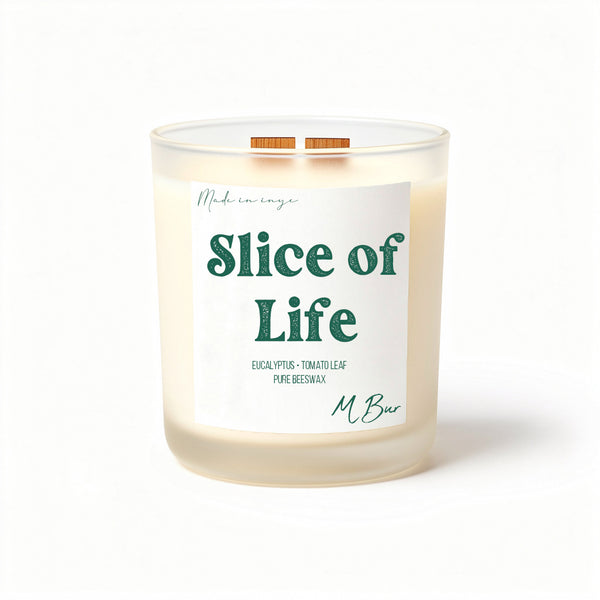
If odors are already a problem, a wood stove, a mudroom full of boots, a kitchen after canning day, the smart move is to fix the source first. Then let a clean candle keep the space fresh instead of masking it. That is why many rural homes reach for something like MBur's Slice of Life candle, with notes of Spearmint, Eucalyptus, Tomato Leaf, Anise, and Mint. It reads green and just-picked, right at home near a garden or kitchen.
"I love these candles. No headache or feeling nauseous like the Bath & Body candles with all the extra chemicals. In addition, I love the package and how carefully everything was wrapped." Jason H.

Does beeswax really clean the air?
Here is where the honest answer beats the loud one. You will read that beeswax candles purify a whole house. That claim is bigger than the science.
Beeswax does release negative ions as it burns. Those ions can bind to dust and pollen right around the flame and pull them down out of the air. Some people believe beeswax candles help freshen indoor air, though this is not scientifically established.
What a candle cannot do is replace ventilation. If you have a real damp or mold issue, open a window and address the moisture. The EPA's guide to mold and moisture is the right starting point for that. A candle is the finishing touch, not the fix.
Why beeswax burns longer
Beeswax has a high melting point. It melts between about 143 and 151 degrees Fahrenheit, higher than paraffin or soy. A higher melting point means the wax burns slower.
Slower burn means longer light. On a farm, where you might light a candle every evening through a long winter, that adds up. You buy fewer candles and get more hours per pour.
The flame also runs bright. Beeswax gives off a warm light close to the spectrum of natural sunlight. That is easy on the eyes after a long day outdoors.
MBur's numbers, for context
MBur pours pure beeswax with a wooden wick. The wick crackles softly and burns evenly. The largest size runs 80 hours, the longest of any candle wax due to that high melting point.
Sizes start at the 20-hour candle at $20 and go up to the 80-hour at $65. Every candle is handmade in New York City, phthalate-free, and made with no chemical dyes.
The myth about the honey smell
People expect a beeswax candle to smell like a jar of honey. Pure beeswax carries only a faint, sweet nectar scent. It is subtle.
If a beeswax candle fills a room with strong fragrance, it has added oils. There is nothing wrong with that, as long as those oils are clean. Many candles use toxic fragrances that contain phthalates and parabens.
MBur uses only non-toxic, phthalate-free fragrance oils. So you get real scent without the compounds your body reacts to. For a farmhouse where someone is sensitive to strong scents, that combination is the sweet spot.
Turning wax into a homestead income stream
Raw honey sells well. Rendered beeswax candles often sell better per ounce, because you have added labor and craft to a raw material.
A small farm can pour candles in the slow season, store them without spoilage, and sell them at market alongside the honey. Buyers right now want domestic, artisan-made goods with a clear origin. A candle made from your own hive tells that story on its own.
If you would rather buy than pour, the same values hold. A single-ingredient beeswax candle supports beekeeping, since wax is a byproduct of honey production. Every candle you buy backs a hive somewhere.
Frequently asked questions
Why are beeswax candles better for rural homes than paraffin?
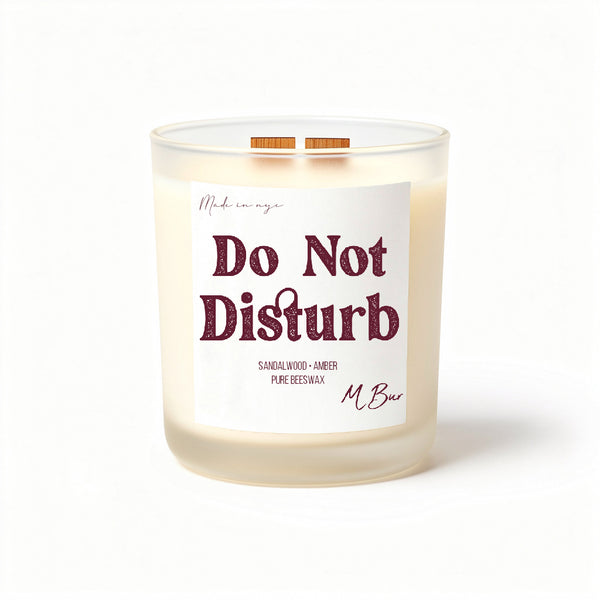
Beeswax burns clean, with no petroleum smoke or heavy soot, which matters in a tightly sealed farmhouse where air moves slowly. Paraffin is a petroleum byproduct that releases VOCs. A pure option like the Do Not Disturb candle gives you a clean burn for the bedroom or a quiet evening.
Do beeswax candles actually purify the air?
They release negative ions that can bind to dust and pollen near the flame. Some people believe beeswax candles help freshen indoor air, though this is not scientifically established. Browse the full beeswax candle collection if a clean burn is your priority.
How do beeswax candles help small farmers?
Processing excess hive wax into candles turns a honey byproduct into a high-value product that stores for years. It adds a second income stream and reinforces the role of bees as crop pollinators.
Do beeswax candles burn longer than other types?
Yes. Beeswax has a high melting point, so it burns slower and hotter than paraffin or soy. MBur's 80-hour size ($65) is the longest-burning option in the lineup.
Do pure beeswax candles have a scent without added oils?
Yes, a faint honey and pollen aroma straight from the hive. It is gentle, so if you want a stronger scent, look for candles with clean, phthalate-free oils.
The takeaway
Beeswax has lit rural homes for thousands of years for good reason. It burns clean, lasts long, and turns a hive byproduct into real value. For a farmhouse, that is light and livelihood in one.
If you want the homestead feel without rendering your own wax, start with the Slice of Life candle, poured from 100% beeswax with a wooden wick and clean fragrance. MBur candles carry strong reviews from people who notice the difference in their air. Shop the beeswax collection and bring one home.
Related reading

