

The Ritual of Lighting a Candle: Building a Habit That Sticks
You bought the candle, lit it twice, and now it sits on a shelf collecting dust. The problem is not your willpower. A candle ritual fails to stick because it floats free in your day with nothing to attach it to. You wait to "feel like it," and the feeling never reliably shows up.
By the end of this, you will know why most candle habits collapse in the first two weeks, and the exact way to build one that runs on autopilot. We will get into the science of anchoring, a simple stacking method you can start tonight, and which scents actually match which part of your day. If you want to browse while you read, here is our full beeswax candle collection.

Why your candle habit keeps dying
Habits drive roughly 40 percent of what you do in a day, and almost none of that runs on conscious decision making. Your morning coffee, the route you drive, the way you brush your teeth. These happen because they are chained to a cue, a trigger that fires the behavior without you thinking.
Lighting a candle usually has no cue. It depends on you remembering, deciding, and following through, three separate acts of effort at a moment when you are already tired. That is a lot of friction for something that is supposed to feel good.
There is also the 66 day thing. Research suggests a new behavior takes around 66 days to become automatic, not the 21 days everyone quotes. So if your ritual fell apart after a week and a half, you did not fail. You quit before the habit had any chance to set.
Habit versus ritual, and why the difference matters
A habit is something you do on autopilot. A ritual is something you do on purpose, with a beginning, a point, and an end. The magic happens when you turn a ritual into a habit: the intentional thing becomes automatic, but it still carries meaning.
Psychologists call the candle part of this "sensory anchoring." You use a consistent sensory cue, the flame, the crackle, the scent, to signal your brain that your mental state is about to change. Do it in the same context enough times and the association strengthens. Eventually the smell alone starts telling your nervous system it is time to slow down.
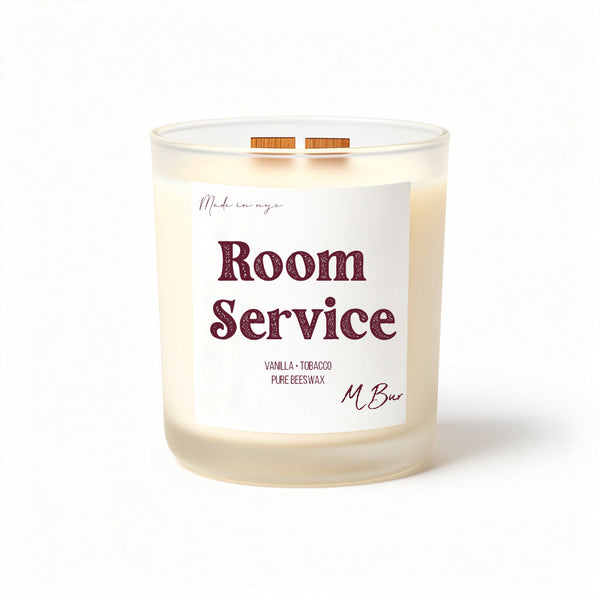
The crackle matters here more than people expect. A wooden wick gives you a soft sound cue on top of the scent and the light, which means your anchor is working on three senses at once. More sensory hooks, stronger association, faster habit.
The fix: habit stacking
The simplest way to make a candle ritual stick is to stop treating it as its own separate task. Attach it to something you already do without fail. This is called habit stacking, and it works because you are borrowing a cue that is already automatic.
The formula is: after I [existing habit], I will light my candle. Pick the existing habit first, then the candle follows.
- After I pour my morning coffee, I light my candle. The coffee already happens every day, so the candle rides along.
- After I close my laptop for the day, I light my candle. This one draws a hard line between work and evening.
- After I get into bed and open my book, I light my candle. Now the flame becomes your wind down signal.
The trick is specificity. "I will light a candle sometime tonight" is a wish. "After I load the dinner dishes, I light my candle" is a plan your brain can execute on autopilot.

Matching the scent to the moment
Your anchor gets stronger when the scent fits what you are trying to feel. You do not need a shelf of candles for this. One for the morning and one for the evening covers most people.
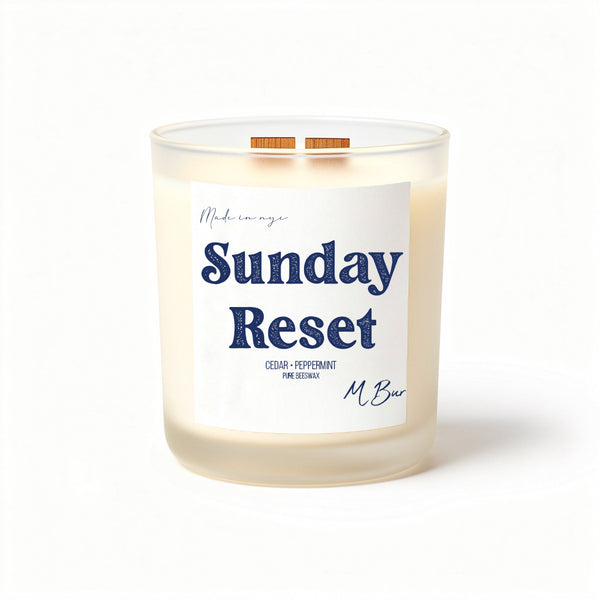
For a clean start morning or a focused work block, something bright and green works better than anything sweet. Sunday Reset leans into refreshing peppermint and eucalyptus with earthy cedar underneath, the kind of scent that makes a space feel like you just handled everything on your list. The 20 hour size ($20) is an easy way to test whether a morning candle habit is going to stick for you before committing to the 80 hour ($65).
For the evening, you want your ritual to signal the day is over. This is where a slower, calming scent earns its place, and it is worth reading the reviews before you pick.
"Absolutely loved the Wine Down candle! The scent is so light and clean, not overpowering at all, which is exactly what I look for. A lot of other candles tend to give me headaches, but this one was a total game changer. I was able to enjoy the calming aroma without any discomfort. It made my space feel cozy and refreshed at the same time." Nicole D.
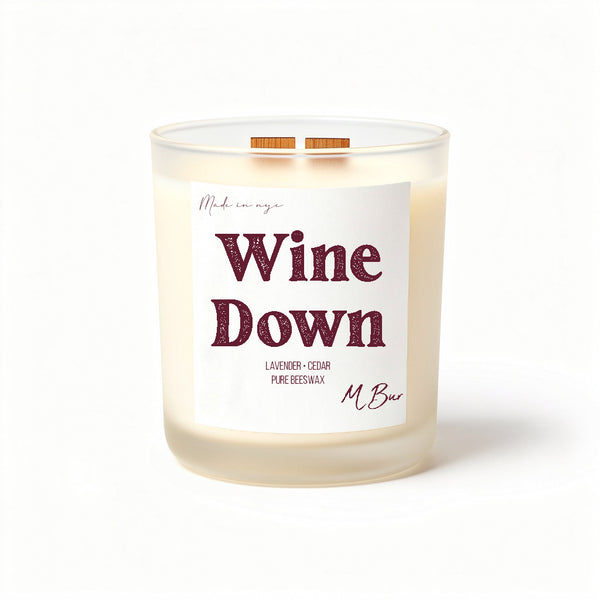
Wine Down is built for the end of the day, with soft lavender and herbal notes that pair well with a book or a bath. If headaches are what killed your last candle habit, that matters. A clean beeswax candle with non toxic, phthalate free fragrance is far less likely to irritate than a paraffin one loaded with toxic fragrance. If you have a specific medical condition, follow your doctor's guidance on scents.
How to make it actually last past week two
Track it. People who monitor a habit are meaningfully more likely to stick with it, and this can be as low tech as a checkmark on your calendar every day you light the candle. The visible streak becomes its own reward.
Aim for consistency, not perfection. Missing one day does nothing. Missing several in a row is what opens a gap that lets the whole habit unravel. If you skip a night, just light it the next day and keep the chain going.
And give it real time. Some research suggests even short stretches in candlelight can lower stress hormone levels, but the habit itself needs weeks to set. Treat the first two months as the build, not the test.
FAQ
How long does it take to build a candle lighting habit?
Around 66 days for the behavior to feel automatic, according to habit research, so plan for roughly two months rather than expecting it to lock in after a week. Pick one candle you genuinely enjoy from the collection so you actually want to repeat the ritual.
What is the difference between a habit and a ritual?
A ritual is intentional with a clear beginning and end, while a habit runs on autopilot. The goal is to turn your candle ritual into a habit so it still feels meaningful but no longer requires effort to remember.
How does habit stacking work with a candle?
You attach lighting the candle to something you already do every day, like making coffee or getting into bed, so the existing habit becomes the cue. A wooden wick beeswax candle from our collection gives you sound, scent, and light as anchors all at once.
What scent should I use for morning versus evening?
Bright and green scents suit mornings and focus, while calmer scents suit winding down at night. Something like Wine Down works as an evening signal, and its light, non overpowering scent is a good pick if strong candles usually give you a headache.

The takeaway
A candle ritual sticks when you stop relying on motivation and start relying on a cue you already have. Stack the candle onto an existing daily habit, match the scent to the moment, track your streak, and give it a couple of months to set. If you want one candle to start with, pair an evening scent like Wine Down with a hard daily anchor and light it at the same point in your night every time.
MBur candles are 100 percent beeswax, wooden wick, phthalate free, and handmade in Queens, New York, with more than 50 reviews from people who swapped out headache inducing candles and never looked back. Start your ritual with our full beeswax candle collection.
Related reading

