

Is Coconut Wax Actually Non Toxic? An Honest Breakdown
The headaches you get from scented candles usually come from the wax and hidden chemicals, rather than the scent itself. You buy a jar labeled as natural, light it, and twenty minutes later your sinuses are throbbing. The candle industry lacks the strict monitoring applied to skincare, meaning brands can slap "non toxic" on a jar filled with petroleum byproducts and toxic fragrance.
We are going to look at the actual science behind coconut wax safety, compare it to other popular waxes, and give you a concrete checklist for finding genuinely clean burning candles. If you want to skip the chemistry lesson and just browse our full beeswax candle collection, you can do that right now.
The Problem with Clean Candle Marketing
The candle industry lacks the strict monitoring applied to skincare or food. Brands hide behind the word fragrance to avoid listing hundreds of undisclosed chemicals. This legal loophole makes it incredibly difficult to know what you are actually burning in your living room.
Paraffin wax is a petroleum byproduct. When burned, it releases volatile organic compounds like benzene and toluene. These specific chemicals are the actual culprits behind your respiratory irritation, watery eyes, and migraines. You might think switching to a plant based wax solves the problem entirely. The reality is a bit more complicated, especially when you start looking at how these waxes are manufactured and blended.

Where Coconut Wax Fits In
Coconut wax is derived from the meat of coconuts. It is widely considered a clean burning wax that produces minimal soot. It holds scent beautifully and burns slower than paraffin. Pure coconut wax is incredibly soft, which creates a major structural problem for candle makers. Brands almost always blend it with other waxes to help it hold its shape in a jar.
Pure coconut wax is approximately twice as expensive as soy wax. Many companies blend it with paraffin to cut costs, completely defeating the purpose of buying a clean candle. Even if it is blended with soy, you still have to worry about the specific fragrance oils used and whether the final product is actually safe for your indoor air.
| Wax Type | Source | Soot Level | Chemical Processing |
|---|---|---|---|
| Paraffin | Petroleum byproduct | High | Heavy refining |
| Soy | Agricultural crop | Moderate | Often blended with paraffin |
| Coconut | Coconut meat | Low | Usually blended for structure |
| Beeswax | Natural hive byproduct | Lowest | Zero chemical processing |
The Real Risk Factors
Wax is only half the equation. The other half is what makes the candle smell good. Many candles use toxic fragrances containing phthalates and parabens. These are endocrine disruptors that trigger asthma and migraines. Metal core wicks are another hidden danger. They release heavy metals into your indoor air. Chemical dyes used to color the wax also release harmful compounds when heated.

A February 2025 Purdue University study found that heating scented waxes releases terpene based volatile organic compounds. This research proves that ingredient transparency matters just as much as the wax base. The heat from the flame alters the chemical structure of the fragrance, meaning even natural essential oils can create irritants if they are not formulated correctly for high temperatures.
The MBur Solution
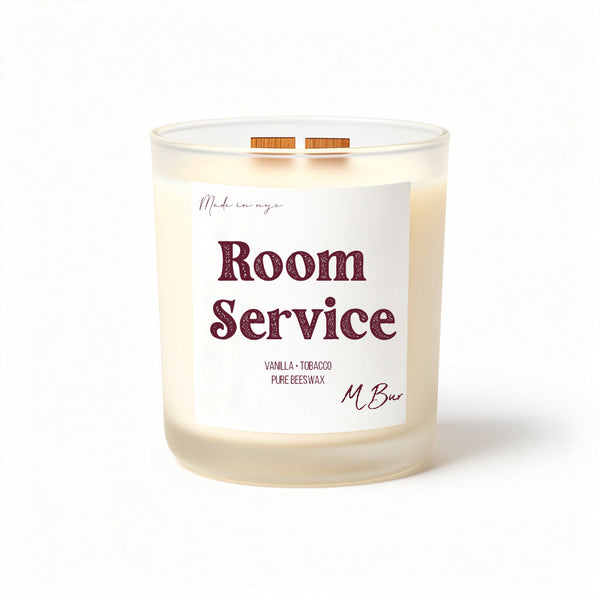
This is where pure beeswax changes the game. MBur uses 100 percent pure beeswax. We use zero blends, zero paraffin, and zero soy. Our wooden wicks crackle and burn evenly without any metal cores. Our fragrances are strictly non toxic and phthalate free.
"I absolutely love these candles! I instantly notice the difference in the air quality, in comparison to the Bath & Body scented candles. I love Bath & Body's candles but I acknowledge that it caused a slight headache and other minor respiratory discomfort. Awesome products. Totally addicted."
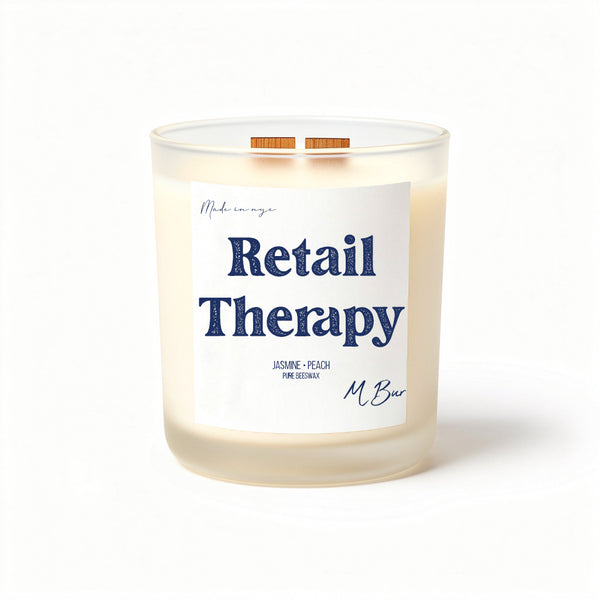
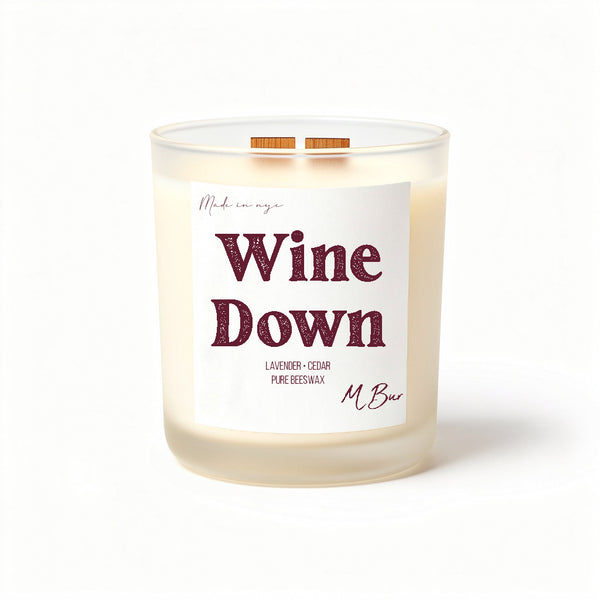
That review from Jason H. about our Retail Therapy candle highlights exactly why ingredient quality matters. You get a rich, complex scent without the respiratory fallout. If you prefer something more relaxing for the evening, our Wine Down candle offers a soothing lavender and chamomile profile that keeps the air feeling light and fresh.
Your Clean Candle Checklist
Shopping for safe candles requires a bit of detective work. Keep this checklist handy next time you are browsing.
- Look for 100 percent single ingredient wax like pure beeswax.
- Check for wooden or braided cotton wicks.
- Verify the fragrance is explicitly phthalate free.
- Avoid dyed wax entirely.

Proper candle care also minimizes any potential irritation. Always trim your wooden wick to an eighth of an inch before lighting. Burn your candle in a well ventilated room. Never burn for more than four hours at a single time. Extinguish the flame if you notice any black smoke or soot collecting on the jar.
Frequently Asked Questions
Is coconut wax safe for people with asthma?
Coconut wax itself is safe and produces low soot. The toxic fragrances blended into it can still trigger respiratory issues. Always look for phthalate free scents and consult your doctor if you have a diagnosed respiratory condition.
Do coconut wax candles produce soot?
Pure coconut wax produces very little soot. If it is blended with paraffin, it will still leave black marks on your walls and jars.
Why choose beeswax over coconut wax?
Beeswax requires zero chemical processing and is naturally hard enough to stand alone in a jar without being blended with cheaper waxes. Browse our pure beeswax candle collection to see the difference.
Make the Switch
Coconut wax is a step up from paraffin, but the lack of industry regulation means you have to read the fine print. Pure beeswax remains the gold standard for a genuinely clean burn. Stop guessing what is in your jar and switch to a single ingredient wax you can trust.
Explore our full beeswax candle collection and breathe easier. Join thousands of happy customers who rate our candles 5 stars for clean air and incredible scent throw.
Related reading

