

How to Remove the Strong Smell of Blue Cheese from Your Home
Blue cheese smell does not sit in the air. It sinks into your curtains, your sofa, and the drywall behind the counter. That is why the funk is still there a day after the cheese board is long gone. You wiped the counter. You took out the trash. The room still smells faintly of gym socks and something sharper underneath.
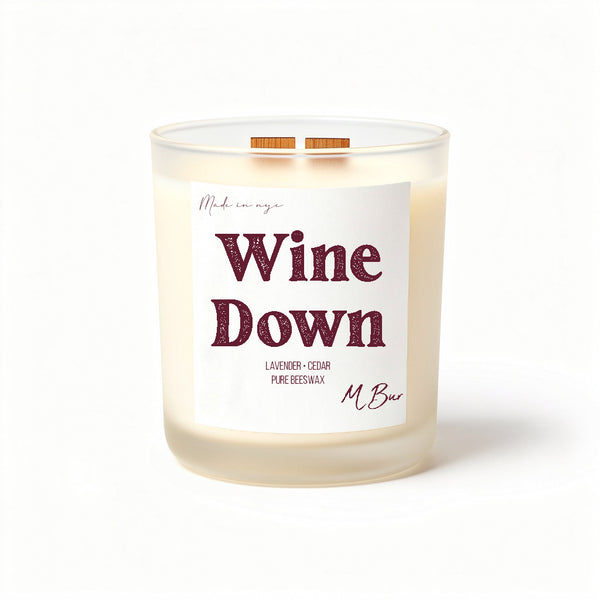
The reason is chemistry. Blue cheese gives off fat-soluble molecules that grab onto soft, porous stuff and stay put. Spraying a fresh scent over the top does nothing to the molecules already lodged in your throw pillows. Once the source is gone and surfaces are clean, a clean-burning beeswax candle from MBur's candle collection keeps the room smelling fresh instead of painting over a smell that is still hiding in the fabric.

Why blue cheese clings when other food smells fade
Blue cheese ripens through mold. As it ages, proteins and fats break down. That process throws off volatile fatty acids and sulfur compounds like methanethiol.
Those two are the culprits. Volatile fatty acids smell sour and sweaty. Sulfur compounds bring the sharp, almost eggy note that hits the back of your nose.
Here is the part most people miss. These molecules are fat-soluble. That means they bond easily to other fatty and porous things.
Your couch cushions, the rug, wooden cutting boards, even the paint on the wall. All of it soaks up the smell like a sponge. Wiping a smooth countertop feels productive, but the odor is stored somewhere your rag never touched.
Throwing out the cheese is the easy part. It is not the part that fails.
Everyone gets the first step right. You toss the leftovers and feel like the job is done. Then the smell lingers, and you get frustrated.
The failure happens because the smell already left the cheese. It aerosolized and landed on every soft surface in range. So the real work is not removing the cheese. It is neutralizing what the cheese left behind.
Do the steps in order, from the source you already handled to the surfaces nobody thinks to clean.
Step one: get the source out of the building
Do not just drop the rinds in the kitchen bin. That bin keeps feeding the room all day. Seal the leftovers, wrappers, and rinds in a bag and put it in an outdoor trash can.
If any went in the fridge, deal with that too. Blue cheese wrapped in a thin plastic bag will scent your whole fridge. VOCs pass right through cheap plastic.
Step two: neutralize the air with white vinegar
Plain white vinegar is your best friend here. The acetic acid in it binds to and neutralizes the alkaline odor molecules floating around.
Mix about three quarters of a cup of white vinegar with a third of a cup of water. Leave it in an open bowl. Better yet, simmer a pot of water with a splash of vinegar for 30 to 40 minutes.
Skip the balsamic or any flavored vinegar. Those carry sugars and extras that do nothing for odor. Plain white household vinegar is the only one that works.

Step three: put out absorbers and let them work
Baking soda pulls odor out of the air. So do fresh coffee grounds. Set small open bowls of either one around the room.
Give them time. These need at least 24 hours to do real work. For a bad fridge, run it empty with coffee grounds or activated charcoal inside for two to three days.
Step four: clean the porous surfaces you skipped
This is the step that actually fixes the room. Wipe wooden boards, counters, and cabinet fronts with equal parts white vinegar and water. Then hit the soft stuff.
Sprinkle baking soda over the rug and upholstery, let it sit, then vacuum. If the curtains caught the smell, wash them. Open the windows and let air move through for at least 15 minutes.
Step five: now, and only now, bring in scent
Once the source is gone and surfaces are clean, a candle keeps the space smelling good. The order matters. A candle lit over a dirty room just competes with the funk.
Reach for something clean and green like our Slice of Life beeswax candle. The notes are Spearmint, Eucalyptus, Tomato Leaf, Anise, and Mint. That cool, snapped-stem freshness works well in a kitchen that just hosted a cheese board.
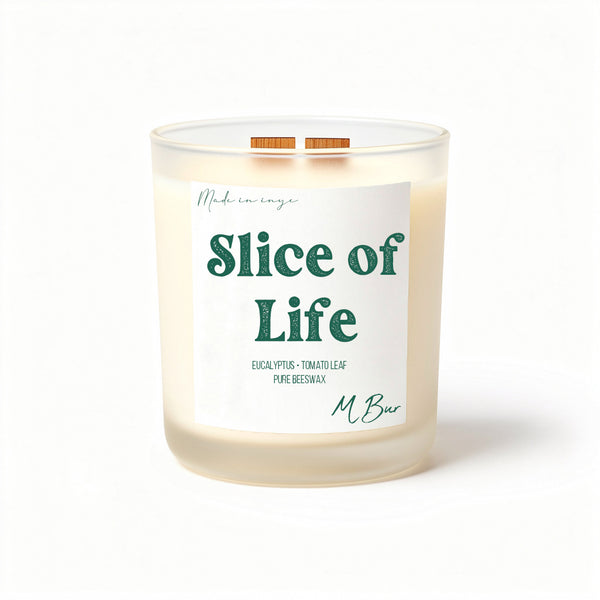
It matters that this is 100% beeswax with a wooden wick. Beeswax burns clean with no paraffin soot and no toxic fragrance, so you are adding a fresh scent, not another layer of chemicals over the vinegar you just used.
"I absolutely love these candles! I instantly notice the difference in the air quality, in comparison to the Bath & Body scented candles. I love Bath & Body's candles but I acknowledge that it caused a slight headache and other minor respiratory discomfort. Awesome products. Totally addicted." Jason H.
The fridge is its own project
Blue cheese loves to haunt a refrigerator. The cold, sealed box traps VOCs and passes them to your milk and butter.
Pull out the removable bins and shelves. Wash them in hot water with dish soap. For a deep sanitize, use a solution of one tablespoon of unscented chlorine bleach per gallon of water.
Wipe the interior walls with a baking soda and hot water solution, or equal parts vinegar and water. Leave an open box of baking soda inside afterward to keep it fresh.
What does not work, and why
Lighting a candle first is the classic mistake. It smells nice for ten minutes, then the sulfur creeps back. Masking never beats a source you have not removed.
Simmering lemons smells pleasant, but it does not purify the air or break down cheese molecules. It just adds a second scent on top of the first.
And do not ignore the porous surfaces. Wiping only the smooth counter while the rug and cushions stay loaded is why the smell keeps coming back.

Keeping a kitchen fresh long term
Once the funk is gone, a good candle earns its place. Beeswax has the longest burn time of any candle wax because it has the highest melting point.
The 80-hour size runs $65, so a single candle carries you through a lot of dinner parties. The 40-hour size at $32 is a smaller entry point if you want to try a scent first. Every size uses the same 100% beeswax and phthalate-free fragrance, so you are never trading purity for price.
Frequently asked questions
Why does blue cheese have such a strong, lingering smell?
The aroma comes from volatile fatty acids, sulfur compounds, and methanethiol. These form as molds break down the fats and proteins during ripening. They are fat-soluble, so they cling to soft surfaces and stay. A clean-burning option from the beeswax candle collection helps keep the room fresh once you have cleaned the source.
How do I get the blue cheese smell out of my refrigerator?
Wash the bins and shelves with hot water and baking soda. Sanitize with one tablespoon of unscented chlorine bleach per gallon of water. Leave an open box of baking soda or activated charcoal inside for a day or two. Then keep the kitchen fresh with a clean scent like our Slice of Life candle.
What household ingredients neutralize stubborn cheese odors in a room?
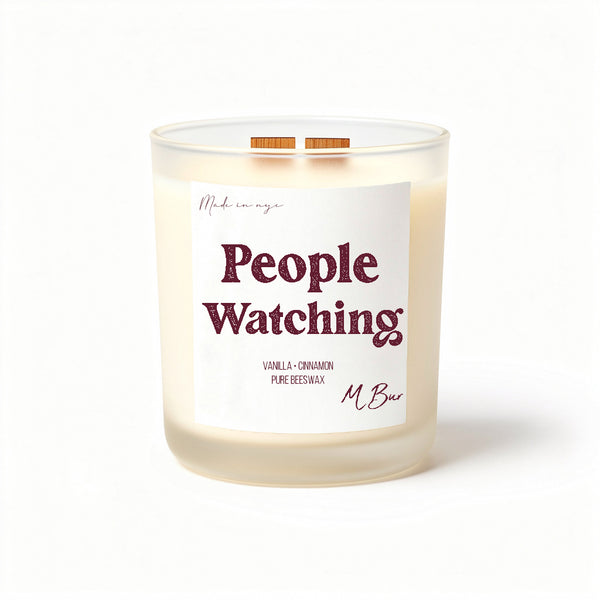
Bowls of white vinegar, baking soda, or fresh coffee grounds all absorb and neutralize ambient odor. Give them at least 24 hours. For a warm, cozy scent afterward, a candle like People Watching layers vanilla and baking spice over a freshly cleaned space.
Does airtight wrapping stop blue cheese from smelling up the fridge?
Standard plastic bags let VOCs pass right through. Store blue cheese in a tightly sealed glass container or proper cheese paper instead. That keeps the rest of your fridge from picking up the smell.
How do I remove blue cheese odors from plastic containers or cutting boards?
Soak or wipe them in equal parts warm water and white vinegar. A baking soda paste also lifts trapped oils out of plastic. For wooden boards, do the same, since wood is porous and holds the smell longest.
The takeaway
Removing the smell of blue cheese comes down to order: pull the source, neutralize the air with vinegar, clean the porous surfaces, then add scent last. Skip any step and the funk returns. With over 50 five-star reviews, MBur's beeswax candles are a favorite for keeping a kitchen fresh without the headaches of paraffin and toxic fragrance.
Once your space is clean, bring in our Slice of Life beeswax candle to keep it smelling green and fresh.

