
Surströmming brine has already sprayed your kitchen, and now the whole place smells like rotten eggs mixed with rancid butter. That smell is not going anywhere on its own. It clings to walls, clothes, and soft furnishings for days if you leave it alone.
What customers say on Google
View on Google
The stink is real chemistry at work. Fermentation keeps going inside the sealed tin, building gas pressure that sprays a fine, pungent mist the second you crack the lid. Once that mist settles, no amount of air freshener will mask it, which is why people reach for tools that actually clear a room, like the clean-burning pure beeswax candles that keep a space smelling fresh after the source is gone instead of layering perfume on top of fish.
Why surströmming smells the way it does
Surströmming is Baltic herring fermented with salt and lactic acid bacteria. It is a controlled preservation method, not simple rot. The fish is safe. The smell is just intense.
The odor comes from volatile compounds made during fermentation. Hydrogen sulfide gives that rotten-egg note. Butyric acid smells like sour, rancid butter. Add propionic acid and a group of amines called putrescine, cadaverine, and trimethylamine, and you get the full punch.
Here is the part people miss. Fermentation keeps going after the can is sealed. Gas builds up, so the tin bulges. Open it wrong and the pressure sprays brine everywhere. That aerosol is the whole problem. It carries the smell onto every surface it touches.
The mistake that ruins your walls
Most people open the can indoors over a kitchen sink. That feels careful. It is the exact move that wrecks your home.
Even a sink cannot catch the invisible mist. Tiny droplets drift up and settle into porous surfaces. Drywall, curtains, sofa cushions, and rugs soak it in. Unprotected air near an open can gets overwhelming within about 30 seconds.
Leave it untreated and the residue can affect your indoor air and textiles for roughly three days or more. That is why cleanup has to start before you ever open the tin.
Step one: open it right, outside
The smell you are trying to remove is mostly the smell you can avoid making. Open the can outdoors, every time. No exceptions.
The gold-standard method is to submerge the whole tin in a bucket of water and open it while it is underwater. The water traps the pressurized spray and dissolves the water-soluble compounds on contact. Very little escapes into the air.
Chilling helps too. Put the can in the freezer for 10 to 15 minutes first. Cold slows the bacteria and drops the internal pressure, so the vapor release is much weaker when you crack it.
Do not lean in and sniff a freshly opened lid. That puts your nose right in a cloud of hydrogen sulfide and butyric acid at full strength.
Step two: clean up brine and scraps the right way
If brine has already spilled, move fast. Heat locks the smell into pores, so skip hot water at first.
Wipe hard surfaces with a mix of cool water, dish soap, and white vinegar. An enzymatic cleaner works well on organic residue too. Go over walls, counters, and floors right away, not tomorrow.
Seal the brine water, leftover packaging, and any fish scraps in a plastic bag. Tie it tight. Take it straight to an outdoor trash bin. Never rinse tools or pour brine down an indoor drain, because that smell settles into your pipes and lingers for days. The food safety guidance on handling and storage is a good reminder that careful disposal matters as much as cooking.
Rinse the fish fillets thoroughly before eating. Traditional prep, the surströmmingsklämma, wraps rinsed fillets in flatbread with almond potatoes, red onion, sour cream, and dill. Rinsing cuts a lot of the surface smell right off the fish.
Step three: handle clothing and skin
Fabric holds fish odor stubbornly. Wash contaminated clothes right away. Add a cup of white vinegar or a scoop of baking soda to your normal detergent load.
For skin, lemon juice or a stainless steel soap bar helps break down the sulfur compounds. Scrub, rinse, repeat if you still catch a whiff.
Step four: clear the air, then keep it fresh
Once the source is gone and surfaces are clean, the last job is the air itself. Surface cleaning alone does not always finish it. Open windows wide and get real cross-ventilation going for a few hours.
Some people run an ozone generator or a polymer air scrubber for a few hours to break down the last stubborn molecules. Run those in an empty room, never around people or pets.
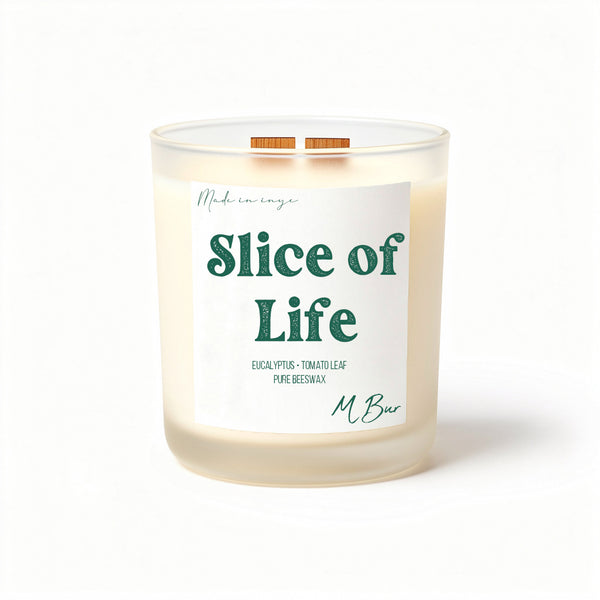
After the smell is actually gone, a clean-burning candle keeps the room pleasant instead of masking a problem you never fixed. Beeswax burns cleaner than paraffin, with no petroleum soot and no toxic fragrance to layer over the air. A bright, green pick like the Slice of Life candle, with its notes of Spearmint, Eucalyptus, Tomato Leaf, Anise, and Mint, leaves a kitchen smelling crisp and awake.
"I absolutely love these candles! I instantly notice the difference in the air quality, in comparison to the Bath & Body scented candles. I love Bath & Body's candles but I acknowledge that it caused a slight headache and other minor respiratory discomfort. Awesome products. Totally addicted." Jason H.
That air-quality difference matters after a smell this heavy. You want something that burns clean, not something that adds more chemicals to a room you just worked hard to clear.
But my can already sprayed inside. Now what?
Then work in order. Bag every scrap and get it outside first. Wipe all hard surfaces with the cool water, dish soap, and vinegar mix before the residue sets.
Wash any fabric it touched. Ventilate hard for a few hours. Only after all of that do you light a candle to keep the fresh air fresh.
Fixing the source always comes first. A beeswax candle finishes the job. It does not do the job.
Frequently asked questions
Why does surströmming smell so terrible?
The smell comes from anaerobic fermentation inside the sealed can. Bacteria produce hydrogen sulfide, butyric acid, propionic acid, and various amines. Those are the compounds behind the rotten-egg and rancid-butter notes. Once your space is clean, a clean-burning option from the beeswax candle collection helps keep the room fresh.
How do I open a can without making my house reek?
Open it outdoors every time. Submerge the tin in a bucket of water and open it underwater to trap the pressurized spray. Chilling it for 10 to 15 minutes first also cuts the vapor. Save your indoor Slice of Life candle for after the meal, not during the opening.
How do I get the smell out of clothing and skin?
Wash clothes right away with detergent plus a cup of white vinegar or baking soda. For skin, use lemon juice or a stainless steel soap bar to break down the sulfur compounds. A calming scent afterward, like the Wine Down candle with lavender and sage, makes the cleanup feel less like a chore.
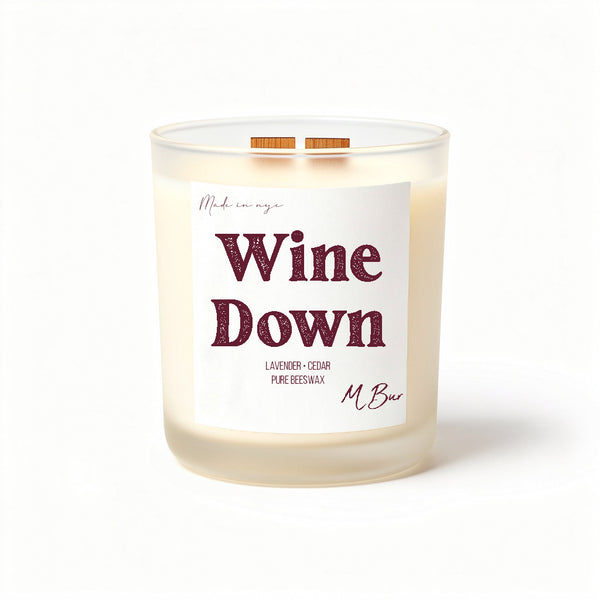
Wine Down Candle
$65.00
Does chilling the can really help?
Yes. Ten to 15 minutes in the freezer slows the bacteria and lowers the internal gas pressure. That means a weaker vapor release when you open it. It is one of the easiest steps to skip and one of the most effective.
Can I clean indoor surfaces if brine spills?
Wipe hard surfaces immediately with cool water, dish soap, and white vinegar, or use an enzymatic cleaner. Avoid hot water at first, since heat locks odors into pores. Move fast, because the residue sets in within a day.
The takeaway
The best way to remove the smell of surströmming is to never spray it indoors in the first place: open the can outside, underwater, and dispose of the brine outdoors. Clean any spills with cool water, dish soap, and vinegar, then ventilate and finish with a candle that burns clean. Our beeswax candles carry glowing customer reviews for filling a room without the headaches other candles cause.
Once your space is clear, light the Slice of Life candle in the 40-hour size ($32) to keep your kitchen smelling crisp and green.

