

How to Read a Candle Label: Spotting Hidden Toxins and Choosing Clean Candles
If scented candles give you a pounding headache or leave you with a scratchy throat, the culprit is hiding in plain sight on the label. Most people assume the scent itself is simply too strong. The true cause is the chemical payload released when the wax melts. The candle industry operates with massive regulatory blind spots. Companies can legally hide hundreds of undisclosed chemicals behind a single word on the ingredient list. We are going to break down exactly how to read a candle label, spot the hidden toxins causing your symptoms, and find clean burning candles that actually let you relax. You can skip the decoding and browse our full beeswax candle collection right now if you just want a guaranteed clean burn.
The Fragrance Trade Secret Loophole
When you see the word fragrance on a candle label, you are looking at a legal black box. Trade secret laws allow manufacturers to group hundreds of chemical compounds under that one umbrella term without disclosing a single ingredient. This is where toxic fragrance oils containing phthalates and parabens hide.
Phthalates are used to make scents linger longer in the air. They are also known endocrine disruptors. Parabens act as preservatives in the fragrance oil. When a candle burns, these compounds vaporize and enter your lungs. A clean candle will explicitly state that it uses non toxic fragrance or phthalate free fragrance oils. If the label just says fragrance with no further clarification, put it back on the shelf.

Decoding the Wax: Paraffin, Soy, and Beeswax
The wax base dictates what gets released into your air. Paraffin wax is a petroleum byproduct. Paraffin is literally petroleum waste, and burning it releases harmful chemicals like benzene and toluene into the air. These are known carcinogens. A study from South Carolina State University found that paraffin wax candles produce toxic chemicals like toluene, alkanes, and alkenes. These emissions accumulate quickly in poorly ventilated rooms.
Many shoppers pivot to soy wax thinking it solves the problem. Soy wax is often blended with paraffin to lower costs and improve scent throw. A label that says soy blend usually means you are still burning petroleum.
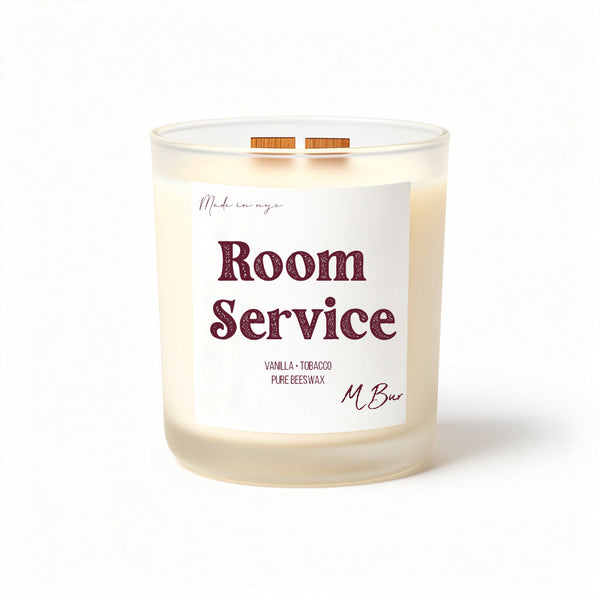
Beeswax is the only single ingredient wax that requires no chemical processing. It has the highest melting point of any candle wax, which gives it an incredibly long burn time. It also burns cleaner than plant based alternatives.
| Wax Type | Source | Burn Quality | Hidden Risks |
|---|---|---|---|
| Paraffin | Petroleum byproduct | Releases black soot and VOCs | Benzene, toluene, alkanes |
| Soy Blend | Soybean oil mixed with paraffin | Cleaner than pure paraffin | Often contains hidden petroleum and toxic fragrance |
| 100% Beeswax | Natural hive byproduct | Cleanest burn, no black soot | None, naturally hypoallergenic |
Metal Wicks and Chemical Dyes
The wick and the color of the wax are the final places where toxins sneak in. Some wicks use a metal core to keep them standing upright. These metal cores can contain lead or zinc. When heated, they release heavy metals into your indoor air. Always look for wooden wicks or unbleached cotton wicks.
Chemical dyes are another unnecessary additive. Brightly colored candles require dyes that release additional volatile organic compounds when burned. A natural wax candle will usually have a creamy, off white, or pale yellow hue.
What a Truly Clean Candle Feels Like
When you switch to clean burning candles, the difference is immediate. You get the sensory experience of a beautiful scent without the physical toll.
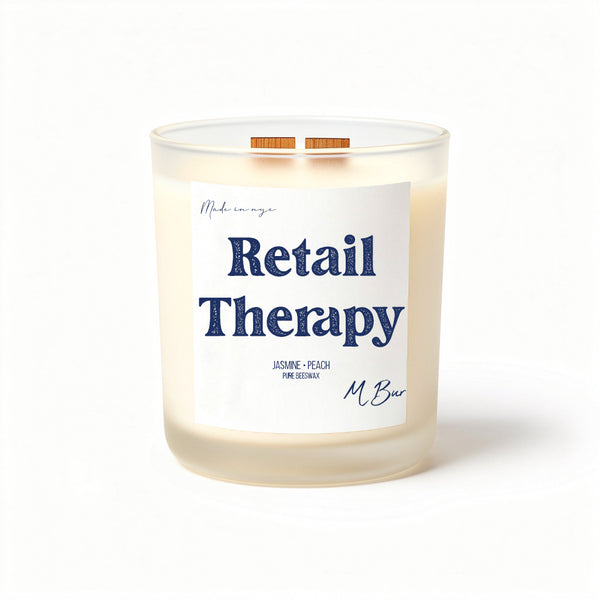
Take it from Jason, who switched after dealing with respiratory discomfort: "I absolutely love these candles! I instantly notice the difference in the air quality, in comparison to the Bath and Body scented candles. I love Bath and Body's candles but I acknowledge that it caused a slight headache and other minor respiratory discomfort. Awesome products. Totally addicted." He was burning our Retail Therapy candle, which features notes of Juicy Grapefruit, Tart Red Currant, Rich Black Currant, Fragrant Jasmine, Voluptuous Peach, Smoky Black Tea, Warm Amber, Spicy Anise, and Sweet Tonka Bean.

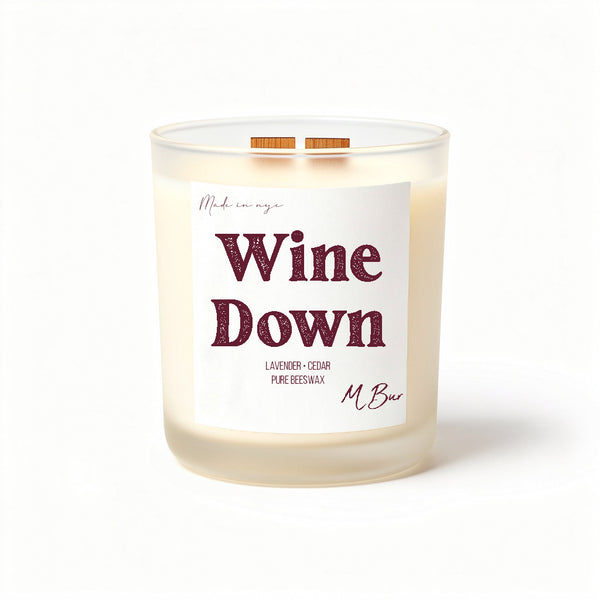
Nicole had a similar experience with our Wine Down candle. "A lot of other candles tend to give me headaches, but this one was a total game changer. I was able to enjoy the calming aroma without any discomfort." Wine Down brings Fragrant Lavender, Invigorating Camphor, Soothing Chamomile, Aromatic Sage, Refreshing Rosemary, and grounding base notes to your evening routine.
Your Clean Candle Checklist
Next time you are shopping, run the candle through this quick checklist.
- Wax: The label must say 100 percent beeswax, 100 percent coconut wax, or 100 percent organic soy. Avoid the word blend.
- Fragrance: Look for explicitly stated phthalate free fragrance or non toxic fragrance.
- Wick: Ensure it is a wooden wick, unbleached cotton, or hemp.
- Color: Avoid artificially dyed wax.
MBur candles check every single box on this list. We use 100 percent pure beeswax, wooden wicks that crackle as they burn, and strictly non toxic fragrance oils. Currently, MADE SAFE is the only nontoxic certification organization that rigorously tests candles for behavioral toxins, carcinogens, and volatile organic compounds. We hold our ingredients to that exact standard of transparency.
Common Questions About Candle Ingredients
Why can companies hide ingredients behind the word fragrance?
Trade secret laws protect proprietary scent formulas. This allows companies to group hundreds of chemicals under one word without violating regulations. The FDA does not require full fragrance disclosure for candles. This is why finding a brand that voluntarily lists non toxic fragrance components is so important. You can see our full ingredient standards on our collection page.
Are soy candles actually safer than paraffin?
Pure soy wax produces fewer harmful emissions than paraffin. The problem is that many commercial soy candles are actually soy blends. Manufacturers mix soy with paraffin to cut costs and improve how the scent throws. Unless the label explicitly says 100 percent soy, you are likely still burning petroleum byproducts.
Do beeswax candles really purify the air?
Some studies suggest that burning pure beeswax can release negative ions, which may help neutralize pollutants in the air. While a candle is not a mechanical air purifier, beeswax definitely avoids adding the harmful VOCs and black soot that paraffin introduces to your room.

How short should you trim candle wicks?
You should trim your wick to about one quarter of an inch before every burn. This prevents the flame from getting too large and releasing excess soot. Wooden wicks require a slightly different approach, but keeping them trimmed ensures a clean, even melt pool.
What do chemical dyes in candle wax do when heated?
Chemical dyes add unnecessary volatile organic compounds to the air you breathe. When the wax melts and the dye heats up, it can release additional toxins. We keep our wax its natural color to ensure the cleanest possible burn.
Stop Compromising on Your Indoor Air
Reading a candle label does not have to be a chemistry exam. You just need to know which red flags to look for and which ingredients guarantee a clean burn. Paraffin, mystery fragrance blends, and metal wicks have no place in your home.
Our 100 percent pure beeswax candles are hand poured in Queens, New York, using only wooden wicks and phthalate free fragrance. Join thousands of customers who have upgraded their home scent without the headaches.
Explore our full beeswax candle collection and find your new favorite clean burning scent today.
Related reading

