

How to Get the Caterer's Kitchen Smell Out Before Guests Move to Dinner
The caterer has packed up their trays, the plates are stacked, and your kitchen still smells like the inside of a range hood. That thick garlic searing oil and seafood fog is hanging over the exact spot where your guests are about to sit down and eat. This is the moment most hosts panic and reach for the nearest scented spray, which is precisely the wrong move.
Here is why the smell lingers: aerosolized cooking oils throw off microscopic droplets, most of them under 10 microns, that drift up and settle on your counters, walls, curtains, and cabinet fronts. Those particles keep off gassing for hours after the stove goes cold. You are not smelling air. You are smelling residue.
Good news: you can fix this in the window between the caterer leaving and the doorbell ringing. And once the air is neutral, a clean burning candle from our full beeswax candle collection is what actually makes the room smell like you planned it that way. More on the order of operations below, because order matters more than anything.
Why masking the smell backfires
The instinct is to spray something floral over the food fog and call it done. What you get instead is a confusing, slightly nauseating mix of stale garlic and artificial rose. Guests notice. Their noses are doing exactly what noses do, flagging two competing signals at once, and the brain reads that as "something is off in here."
Heavy cooking vapors are built from volatile organic compounds and thiols, the sulfur and fatty acid molecules that come off garlic, onions, and grease. You cannot perfume those into submission. You have to physically remove or neutralize them first, then add scent to a clean base.

Step one: keep the exhaust running longer than you think
Your range hood should have been on before the first pan hit the burner, and it should stay on for a good 10 to 15 minutes after the last dish comes off the heat. Shutting it off the second cooking stops is the most common mistake, because it lets the last plume of greasy air drift straight into the dining room.
If your hood has a metal mesh filter, glance at it. A grease caked filter recirculates the exact smell you are trying to lose. Pop it out, hit it with hot soapy water, and let the fan keep pulling.
Step two: create airflow that pulls, not pushes
Opening a window is not enough on its own. Heavy food particles cling to soft surfaces rather than politely floating outside. You want cross ventilation with intent.
Put a box fan in the kitchen window facing outward, near an exterior door if you have one. That creates negative pressure, pulling odor laden air out of the kitchen instead of blowing it toward your guests. Run it for at least 15 minutes. If the dining area is separate, close the door between the two rooms while you purge.
Step three: hit the physical hotspots
The trash is the obvious one, and yes, take it out. Onion skins, shrimp shells, and oily paper towels keep emitting long after the meal is plated. But the trash is rarely the whole story.
- Countertops and the stovetop: Wipe with a degreaser or a warm water and vinegar mix. This is where the settled oil droplets live.
- The sink drain and disposal: Food trapped on the drain walls keeps breeding smell. A quick baking soda then vinegar rinse handles it.
- The microwave interior: If the caterer reheated anything, this is a hidden odor pocket. Wipe it out.
- Soft surfaces: Curtains, seat cushions, and floor mats near the kitchen soak up catering smells and slowly release them all evening. A light dusting of baking soda on fabric, left 15 to 30 minutes then vacuumed, pulls a surprising amount out.
For the food safety side of clearing out perishable catering leftovers quickly and correctly, the FDA's safe food handling guidelines are a solid reference.

Step four: simmer, do not spray
Chefs and caterers have used this trick forever. A stovetop simmer pot actively counteracts heavy vapors instead of hiding them. Combine about 3 cups of water with one whole sliced lemon and a cinnamon stick, and let it go on low for roughly 30 minutes. The natural citrus oils released into the air help break down lingering odor molecules while adding a clean, warm smell that reads as "this house is about to feed you well."
Bowls of fresh or spent coffee grounds left out on the counter also pull double duty. The nitrogen content genuinely absorbs airborne odor particles rather than covering them.
"I absolutely love these candles! I instantly notice the difference in the air quality, in comparison to the Bath & Body scented candles. I love Bath & Body's candles but I acknowledge that it caused a slight headache and other minor respiratory discomfort. Awesome products. Totally addicted." Jason H.
Step five: now, and only now, light the candle
Once the air is neutral and the surfaces are wiped, this is the moment scent belongs. Adding fragrance to a clean base is the difference between a room that smells intentional and a room that smells like a coverup.
For a dinner setting, you want a scent that reads as warm and hosted without competing with the food guests are about to eat. Room Service, our bestseller, does exactly that. Its notes of saffron, white tea leaves, purple peonies, orchid, tobacco, vanilla, almond milk, and tonka bean give a room that quiet luxury hotel lobby feeling, present but never loud. It is the smell of a place that has its act together.
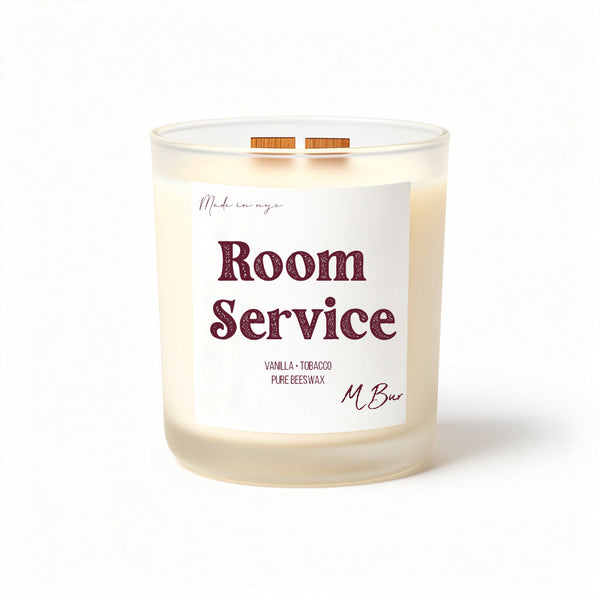
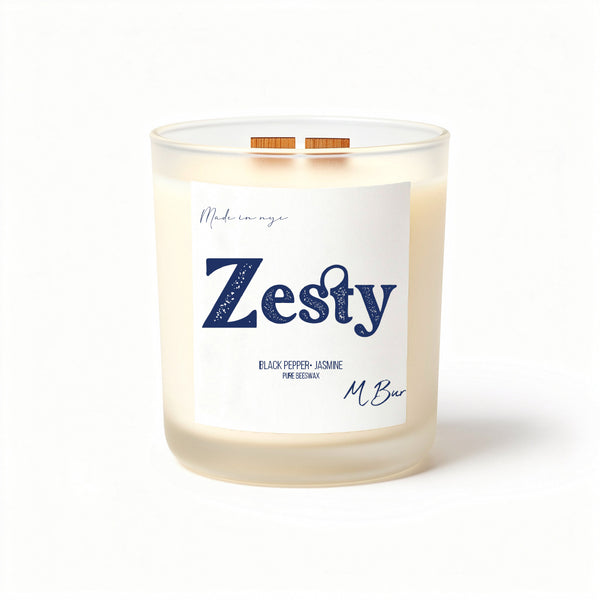
Because it is 100% beeswax with a wooden wick, it burns clean. No paraffin soot drifting onto the walls you just wiped down, and no toxic fragrances layering phthalates over your carefully cleared air. Beeswax also has the longest burn time of any candle wax thanks to its high melting point, so the 80 hour size ($65) can carry you through this dinner party and a dozen more. If you want a lighter, brighter option for a warmer weather menu, Zesty leans crisp and clean without being sweet.

The timing checklist, start to finish
- Keep the range hood on 10 to 15 minutes after cooking stops.
- Box fan in the window facing out for 15 minutes to purge the air.
- Take out the food trash, wipe counters and stovetop, rinse the drain.
- Dust baking soda on nearby fabrics, vacuum after 15 to 30 minutes.
- Start a citrus and cinnamon simmer pot, or set out coffee grounds.
- Light your beeswax candle once the air reads neutral.
Run in that order and you will have a room that smells like it was waiting for people, not one recovering from a shift.
Frequently asked questions
How can I quickly stop heavy catering smells from drifting into the dining area?
Position a high velocity floor or box fan facing outward near an exterior door or window in the kitchen. This creates negative pressure that pulls odor laden air away from your guests instead of blowing it toward them. Once the air clears, a clean burning option from our beeswax collection keeps the dining area smelling intentional.
Do simmering citrus peels actually neutralize odors or just mask them?
They genuinely help. Simmering citrus and spices releases natural essential oils that break down odor molecules while adding a clean fragrance, which is why caterers use the trick. It works best paired with cleaning and ventilating first.
Why does the kitchen still smell like food after I take out the trash?
Microscopic oil droplets and fatty acids settle heavily on countertops, floors, and unwashed prep pans rather than just hanging in the air. Wiping those surfaces with a degreaser removes the source. After that, a wooden wick candle like Room Service adds the finishing warmth.
How long before guests arrive should I start all this?
Give yourself 30 to 45 minutes. Ventilation and surface wiping take about 15 to 20 minutes, the simmer pot needs 30, and the candle should be lit at least a few minutes before the doorbell so the scent has settled by the time people walk in.
The takeaway
Clearing a caterer's kitchen smell is a sequence, not a spray. Ventilate, wipe down the surfaces where oil settles, simmer citrus to neutralize what is left in the air, then light a clean candle to make the room feel hosted. Do it in that order and no one will guess your kitchen looked like a war zone twenty minutes earlier.
If you want one candle that handles dinner party duty without headaches or soot, start with our full beeswax candle collection. With more than 50 reviews and hosts who keep reordering because a single candle fills a whole room, it is the easy pick.
- Discover the Secret to Soot Free Candles: Say Goodbye to Mess and Hello to Clean Burn
- The Ultimate Guide to Choosing the Perfect Scented Candles for Every Mood
- Candles and Cocktails: Perfect Pairings for a Cozy Night In
- Discover the Benefits of Non Toxic Candle Fragrance Oils: Enhancing Your Space without Harmful Chemicals

