

How to Get Rid of New Furniture Off-Gassing Smell: A Complete Guide
That acrid, chemical tang rolling off your new couch is formaldehyde, toluene, and a cocktail of volatile organic compounds (VOCs) escaping from adhesives, synthetic foams, and pressed wood. It is real, it is measurable, and your headache is a perfectly rational response to breathing it in. The good news: you can speed up the process dramatically and protect your indoor air quality while the worst of it passes.
This guide covers exactly what causes off gassing, how long it lasts for different materials, and the step by step playbook to clear your air faster. We will also cover what to avoid (spoiler: most air fresheners make the problem worse) and what actually helps, including how the right candle can be part of the solution rather than another source of indoor pollutants. If you are already thinking about cleaner alternatives for your home, our full beeswax candle collection is worth a look.
What Is Off Gassing, and Why Does New Furniture Smell So Strong?
Off gassing is the process of solid materials releasing trapped chemicals as gases at room temperature. When manufacturers build furniture from MDF, particleboard, or synthetic foam, they use adhesives and finishes loaded with VOCs. Formaldehyde is the biggest offender in pressed wood products. Flame retardants, polyurethane coatings, and chemical dyes contribute their own compounds to the mix.
The moment you strip away the plastic packaging, those chemicals start escaping into your living space. Peak emissions happen within the first 48 to 72 hours after unboxing. That intense "new furniture smell" is the chemical release at its highest concentration.
According to the U.S. Environmental Protection Agency, VOCs from indoor sources can be two to five times higher than outdoor concentrations. Sealing your windows and cranking the AC does the opposite of what you need.

How Long Does Off Gassing Actually Last?
This depends almost entirely on the material. Solid wood furniture with natural finishes typically clears within 3 to 7 days. MDF, particleboard, and composite materials can take 2 to 6 weeks. Synthetic foam cushions fall somewhere in between.
Temperature matters more than most people realize. Formaldehyde emissions from pressed wood can be two to three times higher at 77°F compared to 65°F. High humidity amplifies the effect. Keeping your space below 75°F with humidity between 40% and 50% slows the rate of chemical release while you work on clearing what has already escaped.
One important caveat: the smell fading does not mean the off gassing has stopped. Many VOCs are odorless. The absence of that chemical tang is encouraging, but low level emissions from composite materials can continue for months.
Step by Step: How to Get Rid of New Furniture Off Gassing Smell
1. Remove All Packaging Immediately
Plastic wrap and foam padding trap VOCs against the furniture surface, creating a concentrated pocket of chemicals that releases all at once when you finally unwrap. Strip everything off as soon as the piece arrives. If you can do this outdoors or in a garage, even better.
2. Pre Condition in a Ventilated Space
The ideal scenario: let new furniture breathe in a garage, covered patio, or spare room with open windows for 2 to 3 days before moving it into your bedroom or living room. This lets the worst of the peak emissions happen somewhere you are not sleeping or spending hours.
If that is not possible (apartment living, no garage, the delivery crew already placed a 200 pound dresser exactly where it is going to stay), move directly to aggressive ventilation.
3. Cross Ventilate Aggressively
Open windows on opposite sides of the room to create a cross breeze. Position a box fan in one window blowing outward to actively pull contaminated air out of the space. Simple air circulation beats air conditioning here because most HVAC systems recirculate the same indoor air rather than bringing in fresh air from outside.
Run this setup for at least 4 to 6 hours daily during the first week. If the weather cooperates, leave windows open overnight.

4. Deploy Activated Charcoal (Not Air Fresheners)
Activated charcoal adsorbs VOC molecules, physically trapping them rather than masking them with fragrance. Place charcoal bags or bowls of loose activated charcoal near the new furniture, inside drawers, and behind cushions. Replace or recharge them (most can be placed in direct sunlight for a few hours) every two weeks.
Baking soda works on upholstered surfaces. Sprinkle it generously, let it sit for about an hour, then vacuum thoroughly. For non upholstered storage pieces like dressers or bookshelves, a bowl of dry coffee grounds inside closed drawers can help absorb odors.
5. Use an Air Purifier with the Right Filter
Standard HEPA filters catch particles but do nothing for VOC gases. You need an air purifier with an activated carbon filter to capture the gaseous compounds responsible for that chemical smell. Run it continuously in the room with the new furniture for the first one to two weeks.
6. Control Temperature and Humidity
Keep the room cooler (below 75°F) and use a dehumidifier if your indoor humidity runs above 50%. Both heat and moisture accelerate chemical emissions. You want to slow the release rate in your living space while the ventilation and filtration systems do their work.
What NOT to Do (These Common Mistakes Make It Worse)
Spraying air fresheners or lighting cheap scented candles to cover the smell adds more chemicals to air that is already overloaded with VOCs. Most conventional air fresheners contain phthalates and other compounds that the CDC has flagged as indoor air quality concerns. You are layering pollution on top of pollution.
Sealing the room and running the heater to "bake out" the chemicals faster sounds logical, but in a space where you are living and breathing, you are just concentrating the exposure. Bake out strategies only work in unoccupied, heavily ventilated spaces.
Assuming the problem is solved once the smell fades is the subtlest mistake. Low level emissions continue long after your nose adapts. Keep ventilating and filtering for at least two weeks beyond when the odor disappears.
Where Clean Candles Fit In (And Why Most Candles Make It Worse)
Conventional candles are part of the indoor air quality problem, not the solution. Paraffin wax is a petroleum byproduct that releases benzene, toluene, and formaldehyde when burned. Toxic fragrance oils add phthalates and undisclosed chemicals. Metal core wicks can release heavy metals. Lighting a paraffin candle in a room already dealing with furniture off gassing is adding fuel to the fire, almost literally.
Beeswax behaves differently. It is a single ingredient wax, naturally occurring, with no chemical processing required. It burns cleaner than any other candle wax, produces minimal soot, and some studies suggest it may release negative ions that help settle airborne particulates.
"I absolutely love these candles! I instantly notice the difference in the air quality, in comparison to the Bath & Body scented candles. I love Bath & Body's candles but I acknowledge that it caused a slight headache and other minor respiratory discomfort. Awesome products. Totally addicted." Jason H.
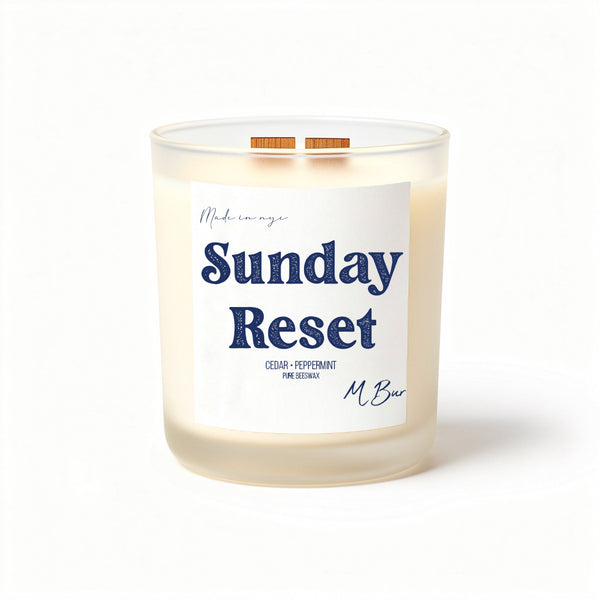
Once you have addressed the active off gassing with ventilation, charcoal, and filtration (those come first, always), a clean burning beeswax candle with non toxic, phthalate free fragrance can help your space smell like something you actually chose rather than whatever the furniture factory used. Sunday Reset, with its eucalyptus, clove, cedar, patchouli, and vanilla notes, is a good match for a freshly aired out room. The eucalyptus and peppermint open clean and sharp, and the cedar and patchouli underneath give the space a grounded, warm quality that replaces the chemical edge rather than covering it up.
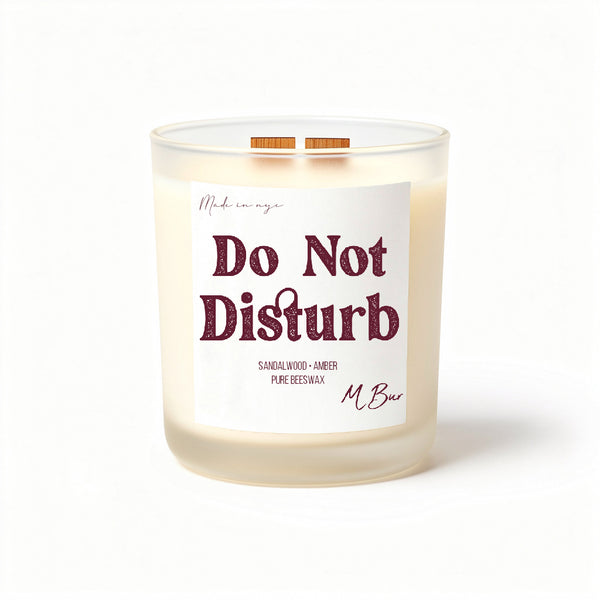
For the bedroom, where you are likely most concerned about air quality during sleep, Do Not Disturb burns with bergamot, pear, lavender, cedarwood, and vanilla. Light it while the windows are still open during your evening ventilation routine, then extinguish before bed. The wooden wick crackle and clean burn add something to the room without adding compounds your lungs have to process.

How to Buy Furniture That Off Gasses Less in the First Place
Prevention beats remediation every time. When shopping for your next piece, look for solid wood over MDF or particleboard. Ask about the finish: water based polyurethane and natural oils emit far fewer VOCs than solvent based lacquers.
Certifications matter more than marketing language. "Green" and "natural" on a label mean almost nothing without verification. GREENGUARD Gold certification actually tests for low chemical emissions. CertiPUR US covers foam in mattresses and upholstered furniture. These are third party verified, not self reported.
The same principle applies to everything you bring into your home. The candles you burn, the cleaning products you spray, the furniture you sit on. Each one either contributes to your indoor chemical load or it does not. Reading labels and choosing verified clean products across every category is the most effective long term strategy for better air quality.
Frequently Asked Questions
Is the "new furniture smell" actually dangerous?
For most people, short term exposure causes temporary irritation: headaches, scratchy throat, watery eyes. Prolonged exposure to high concentrations of formaldehyde and other VOCs is a more serious concern, which is why aggressive ventilation during the first week matters so much. If you have asthma, chemical sensitivities, or respiratory conditions, talk to your doctor about additional precautions.
Can I just put baking soda on everything?
Baking soda works well on upholstered surfaces and inside enclosed spaces like drawers. It is less effective in open rooms where the VOCs are dispersing into the air. Pair it with activated charcoal and proper ventilation for the best results.
Do air purifiers actually remove off gassing chemicals?
Only if they have an activated carbon filter. Standard HEPA filters catch particles like dust and pollen but cannot capture VOC gases. Check the specs before you buy, and run the purifier continuously in the affected room for the first couple of weeks.
Should I avoid burning any candles while furniture is off gassing?
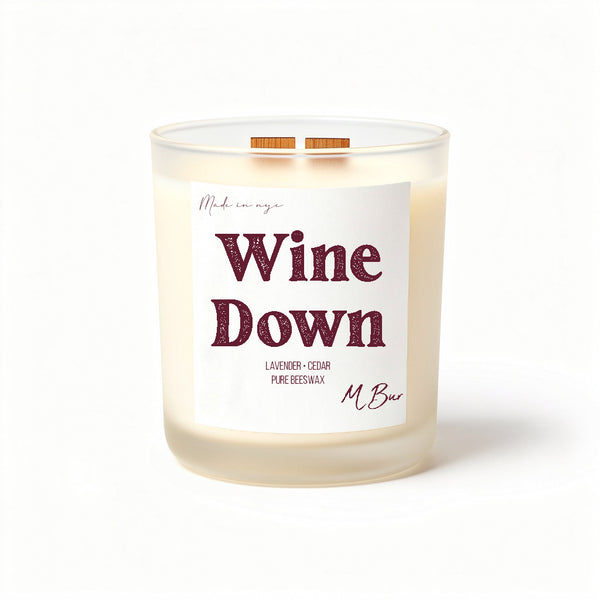
Avoid paraffin candles entirely during this period. They release their own VOCs and compound the problem. A 100% beeswax candle with non toxic fragrance, like the ones in MBur's beeswax candle collection, burns clean and will not add to your indoor chemical load. Just make sure the room is well ventilated first.
How do I know when off gassing is actually done?
The honest answer: you cannot tell by smell alone, since many VOCs are odorless. For solid wood, 1 to 2 weeks with good airflow is generally sufficient. For composite materials, continue ventilating and running an activated carbon air purifier for 4 to 6 weeks. If symptoms like headaches or throat irritation persist, the off gassing likely has not fully resolved.
The Bottom Line
New furniture off gassing is a real chemical exposure issue, and the fix is straightforward: unwrap immediately, ventilate aggressively with cross breezes, deploy activated charcoal, run a carbon filter air purifier, and keep the room cool and dry. Most of the worst emissions clear within the first two weeks if you stay on top of airflow.
Once the air is clear, keep it that way. Every product you bring into your home either adds to the chemical load or it does not. If you are rethinking the candles on your shelf alongside the furniture, browse MBur's full beeswax candle collection, 100% beeswax, wooden wicks, phthalate free fragrance, handmade in Queens, New York. Starting at $20 for the 20 hour size.
"I love these candles. No headache or feeling nauseous like the Bath & Body candles with all the extra chemicals. In addition, I love the package and how carefully everything was wrapped." Jason H.
Related reading

