

How to Get Rid of Natural Gas and Propane Smell (and When to Call Someone)
That sulfurous, rotten egg smell drifting through your kitchen is one of the few household odors that should make you stop what you're doing immediately. Natural gas and propane leaks can be genuinely dangerous, and the response matters more than most people realize. This guide covers what to do the moment you detect that smell, how to clear lingering odor after professionals give you the all clear, and how to keep your indoor air quality high once the crisis is behind you.
If you already know the smell is residual (your utility company checked and confirmed no active leak), skip ahead to the ventilation and air quality sections below. If you haven't had a professional inspection yet, start at the top. This is one situation where the order of operations actually matters.
First: Understand Why You Smell Rotten Eggs
Natural gas and propane are both odorless in their pure state. Utility companies add a chemical called mercaptan, a sulfur compound, to give the gas that distinctive rotten egg smell. It's an intentional safety measure so your nose can detect what your eyes can't see.
The problem is that mercaptan isn't foolproof. A phenomenon called "odor fade" can occur when the scent is absorbed by new pipes, soil, or rust inside older lines. The CDC's National Institute for Occupational Safety and Health has documented cases where the warning scent diminished significantly before reaching the occupant. Other household smells, like cooking or cleaning products, can mask a faint gas odor too.
So if you catch even a whiff of that sulfur smell, take it seriously. A faint smell is still a smell.
If You Smell Gas Right Now: The Emergency Checklist
This section is non negotiable. If you suspect an active leak, follow every step.
- Leave the building immediately. Take everyone with you, including pets. Do not stop to gather belongings.
- Do not touch anything electrical. No light switches, no plugging or unplugging devices, no garage door openers. A single spark can ignite accumulated gas.
- Do not use your phone inside. Cell phones and landlines can both produce a spark. Wait until you're outside and at least 300 feet away.
- Do not light a match, candle, or cigarette. This should go without saying, but in a moment of panic, people default to habits.
- Call 911 and your utility provider's emergency line once you're at a safe distance. Every major gas utility operates a 24 hour hotline.
- Do not re enter until a qualified technician gives explicit clearance.
If you can safely turn off the main gas supply valve on your way out (it turns clockwise), do so. If you're not sure where it is or how it works, skip it and get out. Professionals will handle it.

Common Mistakes That Make Gas Leaks More Dangerous
Assuming a faint smell is harmless. Gas accumulates. What smells faint at 8 AM can reach dangerous concentrations by noon, especially in a closed room or basement. All leaks should be treated as emergencies regardless of intensity.

Opening windows as a "fix." Ventilation while exiting is fine. Ventilation as a substitute for evacuation is not. Opening windows does not solve the leak. It buys you seconds of diluted air while you get to the door.
Trying to find the source yourself. Checking behind the stove, wiggling a gas line connector, sniffing around the water heater. All of this puts you closer to the leak for longer. Leave the detective work to someone with the right equipment.
Dismissing physical symptoms. Headaches, nausea, dizziness, and fatigue can all be signs of gas exposure. Natural gas displaces oxygen in a confined space, and prolonged exposure in a poorly ventilated room is an asphyxiation risk. If multiple people in the household feel off at the same time, that's a significant red flag.
After the All Clear: Getting Rid of Lingering Gas and Mercaptan Smell
Once a technician confirms there's no active leak, you might still notice that sulfur smell hanging around. Mercaptan clings to fabrics, upholstery, and soft surfaces. The gas itself dissipates relatively quickly, but the odorant can linger for hours or even days.
Step 1: Ventilate aggressively
Open every window and exterior door. Set up cross ventilation with fans if you have them. Point one fan blowing outward in the room where the smell is strongest, and open a window on the opposite side of the house to pull fresh air through. Run this setup for at least two to four hours.
Step 2: Wash soft surfaces
Mercaptan bonds to fabrics. Wash any curtains, throw blankets, pillowcases, or clothing that were in the affected area. For upholstered furniture and carpets, sprinkle baking soda liberally, let it sit for 30 minutes, then vacuum thoroughly. Baking soda neutralizes sulfur compounds rather than just masking them.
Step 3: Wipe down hard surfaces
A solution of white vinegar and water (roughly equal parts) works well on countertops, walls, and cabinets. The acetic acid reacts with the sulfur compounds in mercaptan. Follow up with a clean water wipe so your kitchen doesn't trade one strong smell for another.
Step 4: Address the air itself
After you've scrubbed surfaces and flushed the space with fresh air, the room might still feel "off." This is where most people reach for an aerosol spray or a cheap scented candle, which is trading one air quality problem for another. Aerosol sprays introduce volatile organic compounds. Paraffin candles release benzene, toluene, and formaldehyde when burned. You just dealt with a gas situation. The last thing your lungs need is more airborne chemicals.
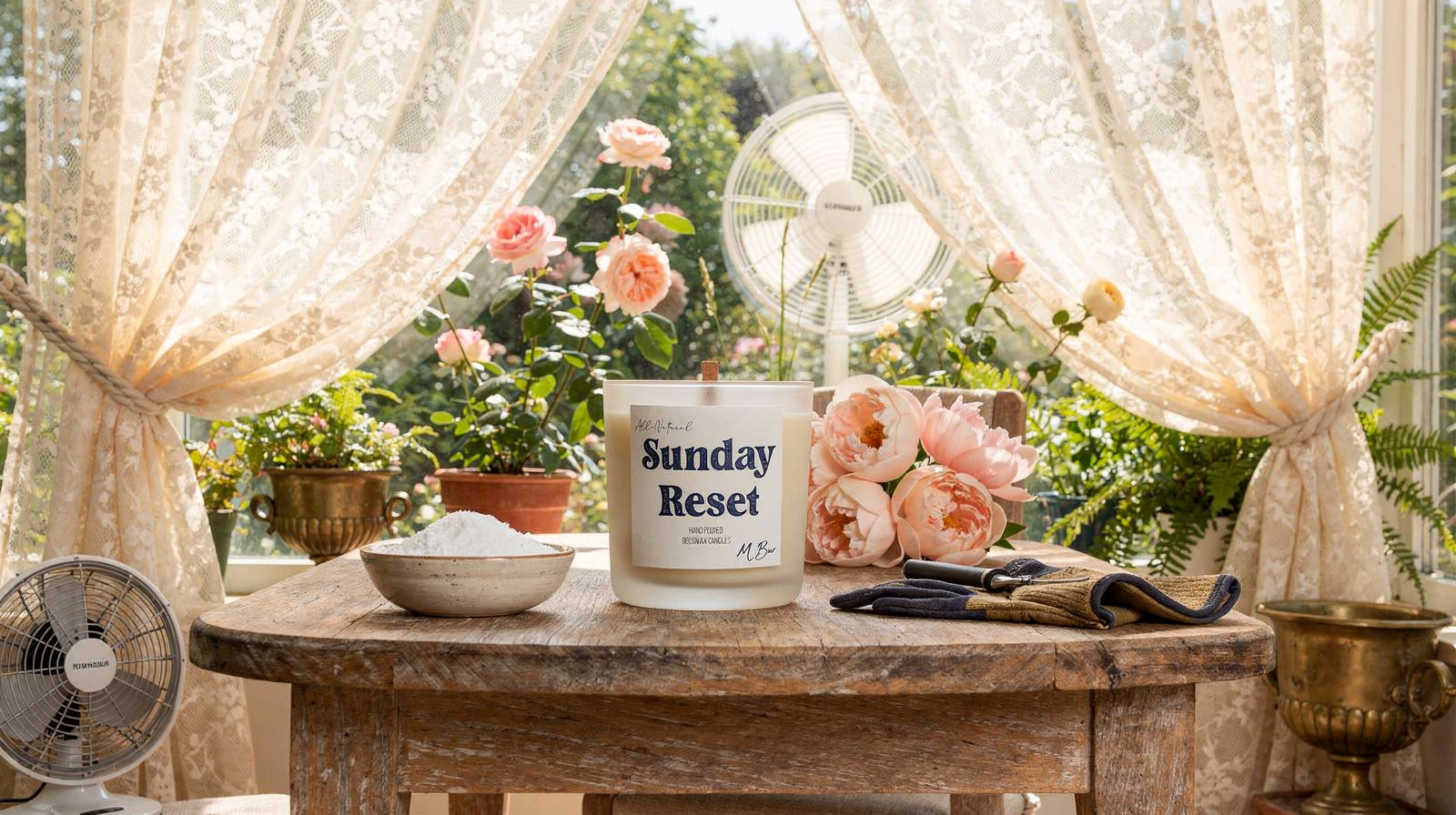
A cleaner option: burn a pure beeswax candle. Beeswax is the only candle wax that burns without producing the black soot and VOCs associated with paraffin. It also has the longest burn time of any candle wax due to its high melting point, so a single candle works for extended periods of freshening. MBur's full beeswax candle collection uses wooden wicks and phthalate free fragrance, which means no toxic fragrance chemicals layered on top of whatever your nose has already been through.
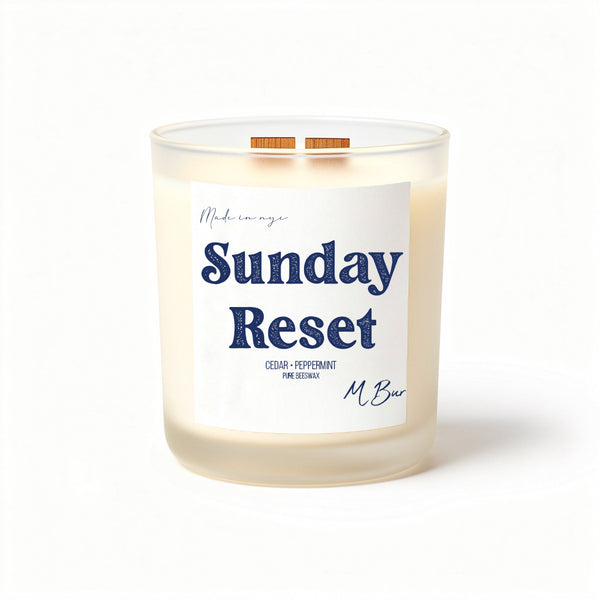
For a space that just went through a gas scare, something clean and grounding works better than anything heavy or floral. Sunday Reset, with its eucalyptus, clove, cedar, patchouli, and vanilla notes, opens sharp and clean before settling into something warm. It reads as "fresh air" rather than "perfume," which is exactly what a recently ventilated room needs.
"I absolutely love these candles! I instantly notice the difference in the air quality, in comparison to the Bath & Body scented candles. I love Bath & Body's candles but I acknowledge that it caused a slight headache and other minor respiratory discomfort. Awesome products. Totally addicted." Jason H.
Preventing Future Scares: Maintenance You Should Actually Do
Schedule annual inspections. A licensed technician should check your gas lines, connections, and appliances once a year. This is the single most effective prevention measure, and most utility providers offer it free or at minimal cost.
Replace flexible gas hoses regularly. Rubber gas hoses have a service life of roughly 18 months. They crack, dry out, and loosen over time. Check them when you check your smoke detector batteries.
Install a dedicated natural gas detector. Relying on your nose alone is increasingly considered outdated by safety experts. A plug in natural gas detector costs about as much as a smoke alarm and provides a backup for situations where odor fade, cooking smells, or a head cold might prevent you from catching the scent. The U.S. Department of Energy recommends gas detection equipment as part of a comprehensive home safety setup.
Know your shutoff valve location. Walk to your gas meter right now (or after you finish reading) and identify the main shutoff valve. Practice turning it. In an emergency, the five seconds you save by already knowing where it is could matter.

Why Air Quality Matters More After a Gas Event
After a scare, people tend to become hyper aware of what they're breathing. That heightened awareness is a good thing. It's also a reasonable moment to audit the other things contributing to your indoor air quality on a daily basis.
Paraffin candles, plug in air fresheners, and aerosol sprays all introduce compounds that your lungs process continuously. On a normal day, the exposure is low level. After a gas event, when your respiratory system has already handled an unusual load, piling on more VOCs is counterproductive.
Switching to a beeswax candle with non toxic fragrance is one of the simplest upgrades you can make. Beeswax burns cleaner, lasts longer (MBur's largest size runs for 80 hours at $65), and doesn't leave soot residue on your walls or ceilings. If you've been burning paraffin candles regularly, you might notice the difference in how a room feels after a few hours. Cleaner air, no film on surfaces, no headache at the end of the evening.
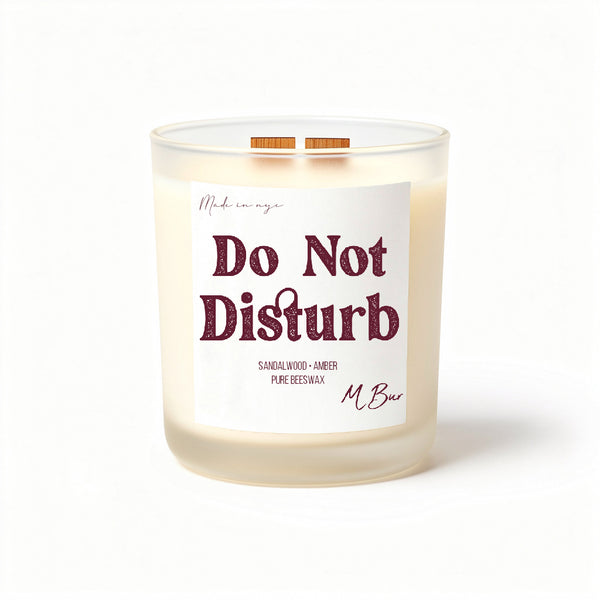
If the gas event happened in your bedroom, Do Not Disturb, with its bergamot, pear, and soft wood notes, is worth considering for the nights after. It's soothing without being heavy, which helps when you're trying to sleep in a room that recently stressed you out.
Frequently Asked Questions
Can a gas smell linger after the leak is fixed?
Yes. The mercaptan odorant bonds to fabrics and porous surfaces and can persist for one to three days after the gas itself has cleared. Aggressive ventilation, baking soda on soft surfaces, and vinegar on hard surfaces will speed up the process. Once the space is clean, burning a beeswax candle from MBur's collection can help restore a pleasant scent without reintroducing chemicals.
Is it safe to light a candle after a gas leak?
Only after a qualified technician has confirmed there is no active leak and the space has been ventilated. Never light any open flame while gas may still be present. Once you have the all clear, a candle is perfectly safe and a much better option than chemical air fresheners for restoring the room.
Why does my house smell like gas but my utility company says there's no leak?
Several things can mimic a gas smell. Sewer gas (hydrogen sulfide) has a similar rotten egg odor and can enter through dry drain traps. A nearly empty propane tank can release concentrated mercaptan without an actual leak. Dead animals in walls or crawl spaces produce sulfur compounds too. If your utility has ruled out a gas leak, a plumber should check your drain traps next.
Do gas detectors actually work?
Yes, and safety agencies increasingly recommend them as a supplement to your sense of smell. They're especially valuable for people with a reduced sense of smell, in rooms where cooking odors might mask a faint leak, or in basements where gas can accumulate unnoticed. They cost roughly $20 to $50 and plug into a standard outlet.
The Bottom Line
A gas smell in your home is always worth taking seriously, even if it turns out to be a false alarm. Evacuate first, ask questions later, and let professionals do the inspection. Once you've gotten the all clear, a thorough ventilation and cleaning routine will handle the lingering mercaptan odor within a day or two.
For the "restore fresh air" phase, skip the chemical sprays and paraffin candles. A pure beeswax candle with a wooden wick and non toxic fragrance does the job without undoing the clean air you just worked to get back. Browse MBur's full beeswax candle collection to find a scent that fits your space.
Related reading

