

How to Get Black Mold Off Window Sills
Black mold spots on your window sills and frames come from condensation, where warm indoor air hits cold glass and leaves moisture on the sill, and that dampness grows mold on the wood or paint. Clean it off, cut the condensation, and it stays gone.
We make small-batch beeswax candles in Far Rockaway, so a room that truly smells clean is our whole focus, and that always starts at the source rather than the scent. Below is where the smell comes from, how to clear it step by step, and how to keep the space fresh afterward, with the full the MBur beeswax candle collection here as you read.

Why window sills grow black mold
Condensation collects on and around windows, especially in winter and in humid rooms, and the wooden sill or frame stays damp and grows black mold. It spreads along the frame, stains, and can damage the wood.
Wiping the surface without addressing the moisture just lets it return, since mold needs the dampness to grow, as the EPA's household mold guide explains. Cutting the condensation is the real fix.
How to clean it, step by step
- Protect yourself and ventilate. Open the window, wear gloves, and for anything beyond a small spot, a mask.
- Clean the mold. For a small area on a hard surface, scrub with detergent and water or a vinegar solution, then dry it. Painted or sealed wood can be cleaned, but badly affected bare or rotted wood may need replacing.
- Dry the area fully. Mold needs moisture, so drying is essential to keep it from returning.
- Cut the condensation. Lower indoor humidity with a dehumidifier, ventilation, and exhaust fans, wipe condensation off sills in the morning, and improve airflow near windows.
- Address the window. Persistent condensation can point to poor insulation or failed seals, so weatherstripping, insulation, or window repair helps.
The condensation is the real target. Clean the mold, but unless you cut the moisture on the sill, it comes right back.

Keep it from coming back
Wipe condensation off sills regularly, lower indoor humidity, and ventilate the room.
Keep the sills dry and fix drafty or failed windows that let condensation build.
Freshen the whole room once the source is gone
With the window mold handled, the air itself is the last step. A clean candle is the finishing touch here, best lit once the space is already clean. From there it is the fastest way to make the room read fresh rather than merely neutral.
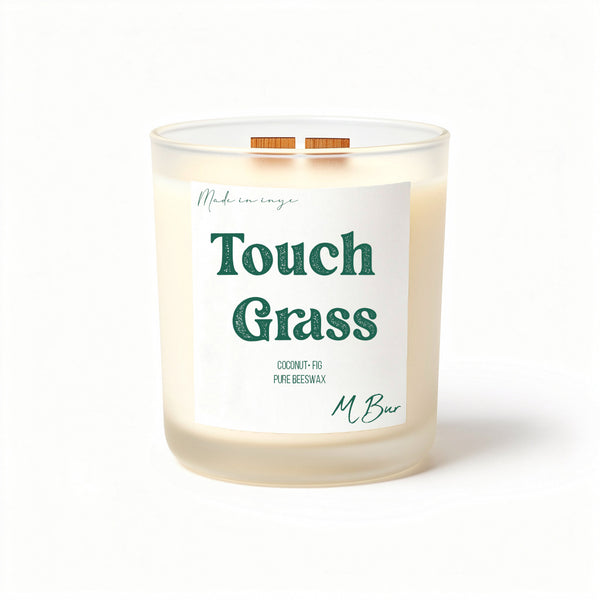
For your home, Touch Grass fits well. It is earthy and green, with fig, black currant, and cedarwood, and like every MBur candle it is poured from 100% beeswax with a wooden wick and phthalate-free non-toxic fragrance oils, so freshening the air never means adding soot on top.
Frequently asked questions
Why do my window sills get black mold?
Condensation leaves the sill damp, and mold grows on the wood or paint. Clean it, then reduce the condensation to keep it away.
How do I clean black mold off a window sill?
Scrub a small area with detergent and water or a vinegar solution, wearing gloves, then dry it fully. Replace badly rotted bare wood.
How do I stop condensation on my windows?
Lower indoor humidity, run exhaust fans, improve airflow, wipe sills in the morning, and address poor insulation or failed window seals.
Is black mold on a window dangerous?
Clean it promptly and keep the area dry. For large areas or if you are sensitive, wear a mask and consider professional help.
Ready to keep your space smelling clean once the source is handled? Explore the MBur beeswax candle collection and find the scent that fits the room.

