

How to Choose the Perfect Scented Candle for Your Bathroom (Buying Guide)
That "beeswax" candle sitting on your bathroom shelf right now? There is a decent chance it is mostly paraffin. Labeling laws let a brand say "beeswax" even when the jar is 51% petroleum wax and a splash of the real thing. In a small, steamy bathroom, that distinction matters more than almost anywhere else in your home.
Bathrooms are the hardest room in the house for a candle. They are compact and enclosed, humidity spikes when you shower, and soft waxes warp, tunnel, and burn unevenly under all that steam. Buy the wrong candle and it either drowns in dampness or turns cloying in about four seconds flat. Buy the right one and it holds up.
Here is exactly what to look for, criteria by criteria, before you spend a dime. If you want to skip ahead and browse a lineup built to handle humidity, start with our full beeswax candle collection.

Criterion 1: Wax type (this is the big one)
Wax decides how your candle performs in humidity, how clean it burns, and how long it lasts. In a bathroom, wax type is the difference between a candle that lasts three months and one that tunnels into a useless crater.
Paraffin is a petroleum byproduct. It is cheap, it throws scent fast, and it releases more soot and VOCs when it burns. Soy is a step up, but most "soy" candles are actually soy paraffin blends, and pure soy is soft. In a warm, steamy room, soft wax slumps and burns unevenly.
Beeswax has the highest melting point of any candle wax. That is the whole reason it holds its structure when your bathroom turns into a sauna. It is a single ingredient, it burns clean, and it lasts longer than soy or paraffin at the same size. For a room that punishes soft wax, beeswax is the format that actually holds up.
The catch is verification. "Beeswax" on the front label does not mean 100% beeswax. Look for a brand that states "100% beeswax" plainly and lists every ingredient. If they are vague about it, assume there is paraffin in the jar.
Quick wax comparison
| Wax | Melting point | Humidity performance | Burn cleanliness |
|---|---|---|---|
| Paraffin | Low | Prone to soft, uneven melt | More soot, petroleum derived |
| Soy (often blended) | Low to medium | Softens and can tunnel in steam | Cleaner than paraffin, but check for blends |
| 100% Beeswax | Highest | Holds structure in steam | Cleanest burn, single ingredient |
Criterion 2: Wick type
Most candles use a cotton wick. Some use a metal core wick, which you want to avoid entirely. If a wick stands stiff and upright before you light it, be suspicious and skip it.
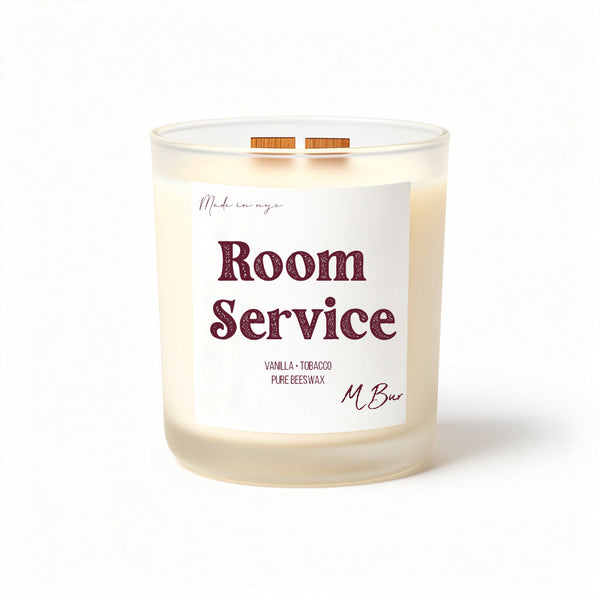
Wooden wicks are the better pick for a bathroom for two reasons. They burn evenly across the melt pool, which helps prevent tunneling, and they make that soft crackle that reads as instantly relaxing when you are soaking in the tub. It is a small thing that does a lot of quiet work.
Whatever wick you choose, trim it to about a quarter inch before every burn. This is the single easiest way to cut soot and keep the flame steady. Untrimmed wicks are the number one cause of a candle smoking too much.
Criterion 3: Scent sourcing
The word "fragrance" on a label can legally hide hundreds of undisclosed chemicals. Many candles use toxic fragrances that contain phthalates and parabens, and in a small enclosed room those compounds concentrate faster than they would anywhere else. Bathrooms have limited ventilation, so what you burn matters.
Look for a brand that uses non toxic, phthalate free fragrance and says so directly. One of MBur's reviewers, Nicole, put the difference plainly:
"Absolutely loved the Wine Down candle! The scent is so light and clean, not overpowering at all, which is exactly what I look for. A lot of other candles tend to give me headaches, but this one was a total game changer. I was able to enjoy the calming aroma without any discomfort."
That headache free experience is what phthalate free fragrance gets you. If you are sensitive to strong scents, this is the criterion that will make or break your bathroom candle. If you have a diagnosed respiratory condition, follow your doctor's guidance on what to burn in an enclosed space.

Criterion 4: Scent family (bathrooms are picky)
Here is where most people go wrong. They reach for a heavy, sweet gourmand scent to "cover" bathroom odors, and it backfires. In a tight, damp space, heavy sweetness clashes with dampness and cleaning products and turns cloying almost immediately.
What actually works is clarity and lift. Fresh, crisp, herbal, and citrus profiles cut through humidity and neutralize odors without suffocating the room. Think clean and green, bright citrus, or cool botanicals.
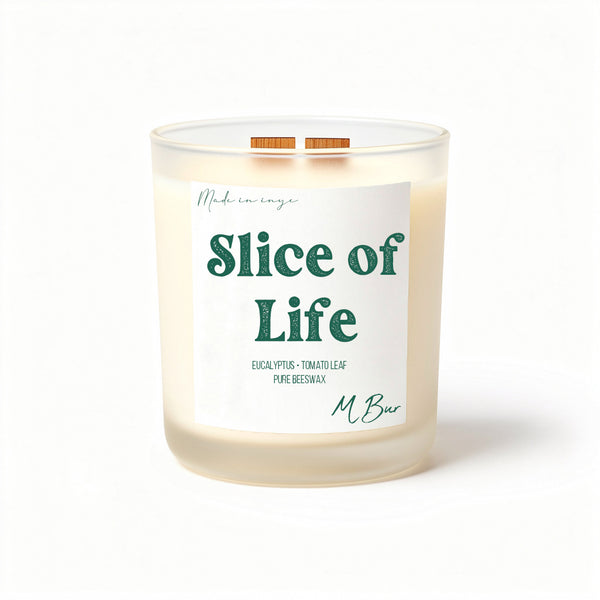
A scent like Slice of Life, with its notes of Spearmint, Eucalyptus, Tomato Leaf, Anise, and Mint, is built for exactly this. That cold, sharp mint and eucalyptus opening is the spa bathroom effect people chase, and it reads clean in steam instead of heavy. If you lean warmer and calmer, a lavender forward scent gives you the unwind factor without the sugar overload.
Criterion 5: Size and price per hour
Ignore the sticker price and do the math on burn time. A cheap candle that burns 30 hours costs more per hour than a pricier one that burns 80. Price per hour is the honest number.
MBur's beeswax candles run from a 20 hour size at $20 up to an 80 hour size at $65, with a 40 hour at $32 and a 55 hour at $37 in between. Because beeswax has the highest melting point of any wax, it delivers the longest burn per ounce, so the larger sizes get very efficient on cost per hour. For a room you use daily, the 55 hour or 80 hour size earns its keep fast.
For context on the wider market, mass market jar candles typically run about $12 to $17, and mid to luxury options land between $20 and over $60 depending on wax and brand. A Yankee Candle large jar sits around $14.24, a Bath and Body Works 3 wick around $27 to $30, and Jo Malone at premium tier. The budget jars win on upfront price, but most of them are paraffin or soy blends, which brings you right back to the humidity and cleanliness problems above.
The quick reference bathroom candle checklist
Screenshot this and take it shopping.
- Wax: 100% beeswax stated plainly, not "beeswax blend"
- Wick: Wooden or cotton, never metal core
- Fragrance: Non toxic, phthalate free, fully disclosed
- No chemical dyes
- Scent family: Fresh, citrus, or herbal over heavy gourmand
- Value: Compare price per hour, not sticker price
- Care: Trim the wick to a quarter inch before every burn
MBur checks every box on this list, which is the whole point of building candles by hand in small batches in New York City. If you want a starting point, browse our full beeswax candle collection and filter by the scent families above.
Frequently asked questions
Are scented candles safe to burn in a small bathroom?
They can be, with the right choices. Small enclosed rooms have limited ventilation, so particulates and VOCs concentrate faster than in bigger spaces. That is exactly why wax type and fragrance sourcing matter so much here. A clean burning, phthalate free option like the candles in our beeswax collection is less likely to irritate. Crack the door or run the fan while you burn.
What wax produces the least indoor pollution?
Natural waxes like 100% beeswax and pure soy burn cleaner than paraffin, which is petroleum derived and puts out more soot. Beeswax has the added advantage of a high melting point, so it holds up in humidity. You can see the full range of sizes on the Wine Down candle page if you want a calming, lavender forward option.
Why does my bathroom candle keep smoking?
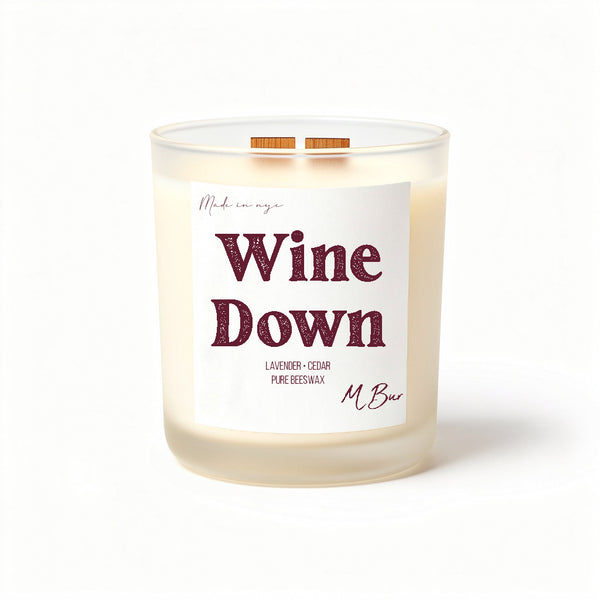
Almost always an untrimmed wick. Trim it to about a quarter inch before every single burn to cut soot and keep an even melt pool. A wooden wick like the ones on the candles in our collection also helps burn cleaner and more evenly.
What scents work best for masking bathroom odors?
Fresh citrus like lemon and bergamot, and cool botanicals like eucalyptus and mint. These neutralize and lift rather than pile sweetness on top of dampness. A minty, eucalyptus forward scent like Slice of Life is a strong fit.
Is it safe to leave a candle burning while I take a bath?
Never leave a burning candle unattended, and keep it well away from towels, curtains, and bath mats. Fire safety guidance is clear on this. Blow it out before you doze off or step away.
The bottom line
The best bathroom candle is 100% beeswax, uses a wooden or cotton wick, carries a fresh or herbal phthalate free scent, and gives you a low price per hour. Beeswax is the one wax that actually holds its structure in all that steam, which is why it belongs in the one room that eats soft wax alive.
Our beeswax candles hold a strong reputation across dozens of customer reviews, with buyers repeatedly noting they can burn them daily without the headaches other candles bring. If you want one recommendation to start, pick a fresh or calming scent from our full beeswax candle collection and see how it holds up in your bathroom.

Related reading

