

How to Choose the Perfect Candle for Your Candle Warmer Lamp
That "beeswax" candle you grabbed off a shelf for your new warmer lamp? Check the label. If it says "beeswax blend," the beeswax content can legally sit around 51 percent, and the rest is often paraffin. Under a warmer lamp, that matters more than you think, because you are not burning the wick, you are slowly cooking the wax and everything dissolved in it.
Warmer lamps are having a moment for good reason. No flame, no soot, no fire risk with kids or pets around. But the lamp is only half the equation. The candle you put under it decides whether your room smells incredible for weeks or whether you are stuck with a cracked jar and a faint chemical whiff by day three. Before you buy, browse our full beeswax candle collection so you know what a single ingredient wax actually looks like on a label.
Here is exactly what to look for, organized by the decisions that actually move the needle.

Decision 1: Wax type
This is the one people get wrong most often. A warmer lamp heats the top layer of wax to roughly 130 to 180 degrees Fahrenheit. Everything in that wax, the fragrance oils and any additives, gets released into your air over and over.
Soy and coconut waxes have low melt points and throw scent easily under a warmer, which is why they get recommended a lot. Fair enough. But a lot of soy on the market is blended with paraffin, and paraffin is petroleum waste that releases benzene, toluene, and formaldehyde. Warming it instead of burning it does not remove those compounds from the equation.
Beeswax is the cleanest option here. It is a naturally occurring, single ingredient wax that needs no chemical processing, and it is naturally hypoallergenic. It also happens to be the oldest candle material humans have used, going back to around 5,000 BCE, so the technology has had time to prove itself.
One heads up: beeswax has a high melt point. A basic low wattage warmer may struggle to pool it evenly, so pair it with a lamp that gets warm enough or has an adjustable arm.
Decision 2: Wick type
"But I am not lighting it, why does the wick matter?" It matters for two reasons.
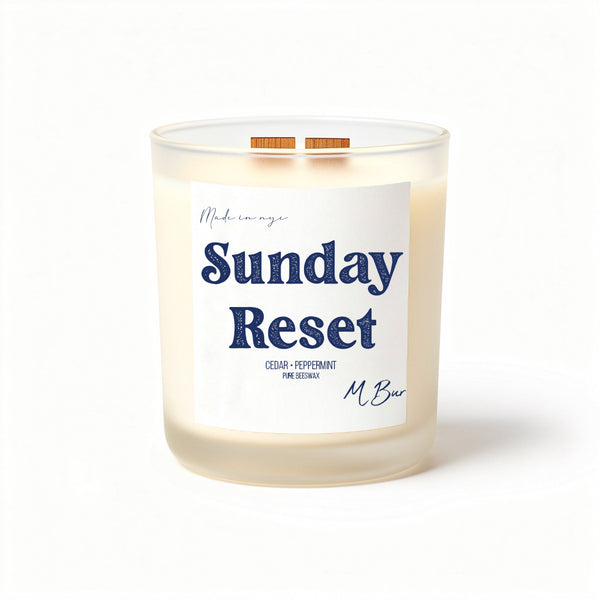
First, container quality tends to track with wick quality. Candles built around wooden wicks or clean cotton wicks are usually poured in sturdier, heat resistant glass, which is exactly what you want sitting under a bulb for hours.
Second, you may want to burn it with a flame later. Wooden wicks give you that soft crackle and an even burn if you do. MBur candles use wooden wicks, so a candle you warm today can be lit traditionally tomorrow.
Decision 3: Scent sourcing
Under a warmer, you inhale whatever is in that wax for the entire session. Many candles use toxic fragrances loaded with phthalates and parabens, and those solvents evaporate right into the room you are sitting in.
Look for a brand that states its fragrance is phthalate free and lists what is inside. MBur uses only non toxic, phthalate free fragrance oils and no chemical dyes. If a label just says "fragrance" with no further detail, that word can hide hundreds of undisclosed ingredients.
"I absolutely love these candles! I instantly notice the difference in the air quality, in comparison to the Bath and Body scented candles. I love Bath and Body's candles but I acknowledge that it caused a slight headache and other minor respiratory discomfort. Awesome products. Totally addicted." Jason H.
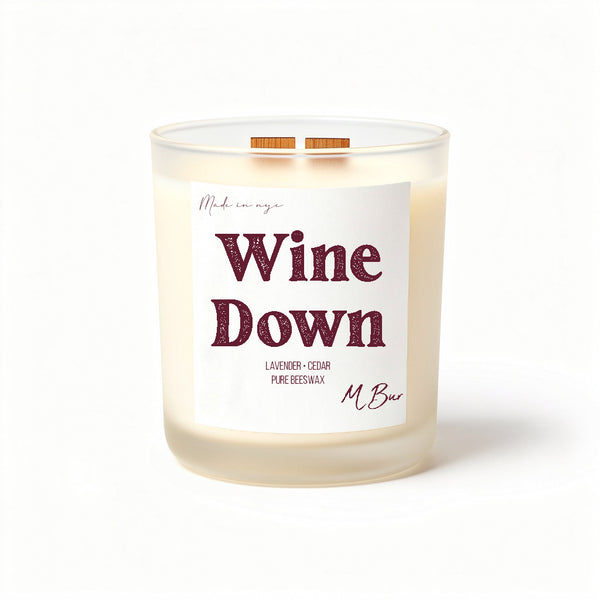
Jason is describing exactly what you feel when you swap toxic fragrance for clean fragrance in a small room, which is precisely the setup a warmer lamp creates. If you want a scent that fills a space without being heavy, the Wine Down candle leans clean and calming with lavender, chamomile, sage, and rosemary, the kind of blend that holds up well over repeated warming.

Decision 4: Size and jar fit
Warmer lamps radiate heat downward, and that heat spreads best across a jar that is 3 to 4 inches in diameter. Too wide and the edges never pool. Too narrow and you may overheat the center.
Bulb to wax distance also matters. Ideally you want 2 to 4 inches between the bulb and the wax surface, which is why height adjustable lamps are worth the extra few dollars. As your wax level drops, you raise the arm.
Avoid tall three wick jars or fragile thin glass. Thin glass and unvented ceramic or metal tins can suffer thermal shock and crack. Sturdy container candles are the safe pick.
Decision 5: Price per hour
A cheap candle is not cheap if it fades in a week. Because a warmer only evaporates the fragrance from the top layer, scent life is what you are really paying for.
Beeswax has the highest melt point of common candle waxes, which is why MBur candles run about 80 hours in the largest size. MBur's 40 hour size is $32, and the 80 hour size is $65. Compare that to a mass market paraffin blend jar at that thins out fast, and the math on scent per dollar tends to favor the cleaner, longer lasting option. As one reviewer put it about the smaller size:
"Candle burned slowly and was exactly the amount of hours the company said it would burn. I was able to enjoy it for days even though it was the smaller size." Portia Darby
Quick reference checklist
- Wax: 100 percent beeswax, or clean soy that is not paraffin blended. Skip "blend" labels.
- Wick: Wooden or clean cotton, poured in heat resistant glass.
- Fragrance: Stated phthalate free, ingredients disclosed, no chemical dyes.
- Jar diameter: 3 to 4 inches for even pooling.
- Jar material: Sturdy glass. Avoid thin glass, fragile ceramic, or sealed tins.
- Lamp fit: 2 to 4 inches bulb to wax, ideally height adjustable.
- Value: Judge by hours of scent life, not sticker price.
A few practical tips
Do not crank the dimmer to maximum right away. Start medium high to pool the surface, then turn it down. Blasting full heat liquefies everything too fast and burns off your fragrance oils early. Keep the room moderately ventilated too, since warmer lamps still release VOCs from any fragrance solvents, cleaner ones included. If you have a medical condition affected by scent or air quality, follow your doctor's guidance.
When the top layer stops smelling like anything, the fragrance has evaporated, not the wax. Pour or scoop out a small amount of the scentless top layer to expose fresh, fragrant wax underneath, and you are back in business.
FAQ
Can you use any candle with a candle warmer lamp?
No. Stick to container candles in sturdy, heat resistant glass rather than unprotected pillars or tapers. You can see well suited options in our beeswax candle collection, which are poured in solid glass jars.
Can I use a candle I already burned with a wick?
Yes. Previously lit candles warm beautifully under a top down lamp. If you plan to light it with a flame again later, re center or trim the wick first.
Does the wax disappear under a warmer lamp?
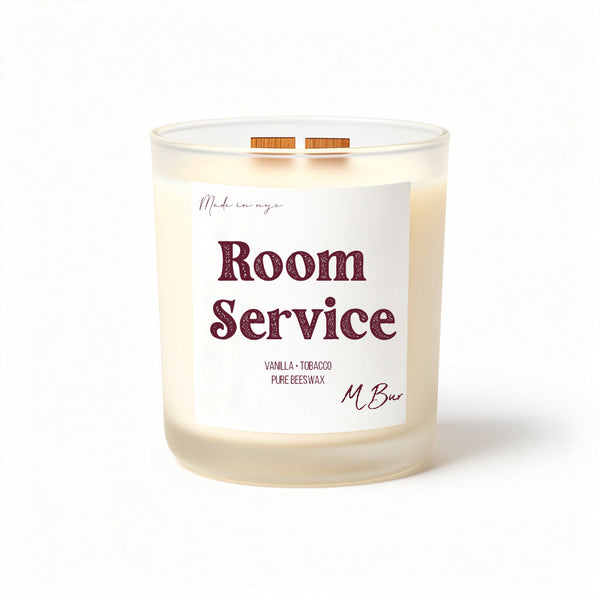
No, only the fragrance oils evaporate. The wax stays in the jar, so eventually you scoop out the scentless top layer to reach fresh wax below. A longer lasting wax like the beeswax in the Room Service candle stretches that timeline considerably.
Why is my warmer lamp not throwing much scent?
The fragrance has likely evaporated from the top wax layer. Pour off a little melted wax to expose fresh, scented wax underneath. Choosing a candle with clean, well sourced fragrance from the full collection also gives you a richer throw to begin with.
Bottom line
The right candle for a warmer lamp is single ingredient wax, clean disclosed fragrance, a sturdy 3 to 4 inch glass jar, and enough scent life to justify the price. Pure beeswax checks every box on that list. With hundreds of reviews and a track record of clean, long burning candles, MBur is the safe pick for a lamp that runs for hours at a time. Start with our full beeswax candle collection and match a scent to the room you warm it in.

Related reading

