

How to Choose a Candle for Healing: The Science Behind Scent and Emotion
If you have ever lit a "relaxation" candle and felt more wound up than before, the problem probably is not you. It is what is inside the candle. Most mass market candles marketed as calming or healing are built on paraffin wax and toxic fragrance oils, and those release volatile organic compounds like benzene and toluene as they burn. That is a strange thing to breathe when you are trying to settle your nervous system.
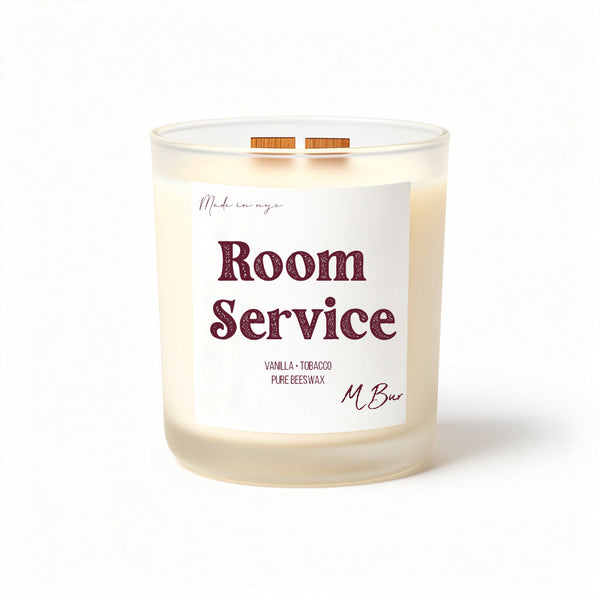
The good news is that scent genuinely can shift how you feel, and the science behind it is real. Getting the effect you want just comes down to choosing the right materials and the right notes. Our full beeswax candle collection was built around exactly this idea, so we will use it as a working example while we walk through how scent and emotion actually connect.

Why scent hits your emotions faster than anything else
Here is the part that surprises people. When you inhale a fragrance, those odor molecules travel up the olfactory nerve and go straight to the limbic system, the part of your brain that runs emotion and memory. They skip the thalamus, the brain's usual relay station, entirely.
That direct route is why a scent can drop you into a memory before you have consciously registered what you are smelling. It is also why certain notes can measurably calm you. Research summarized by the National Center for Biotechnology Information shows how tightly the olfactory system is wired to the hippocampus and amygdala, the same regions handling stress and emotional recall.
Studies have found that intentional scents like lavender and bergamot can lower cortisol, slow heart rate, and nudge your body toward its parasympathetic, rest and digest state. So the healing scents idea is not marketing fluff. The catch is that the delivery method matters as much as the note.
The reason your "calming" candle backfires
Picture the setup. You want to unwind, so you light something labeled lavender or vanilla. Within twenty minutes your head feels tight and your throat is a little scratchy. That reaction is your body flagging the compounds coming off a paraffin base and a toxic fragrance oil.
Paraffin is a petroleum byproduct. Burn it and you get soot plus VOCs, which is the opposite of a clean breath of air. Toxic fragrances layer on their own problem, often containing phthalates and parabens that irritate sensitive people. Regularly burning heavily fragranced synthetic candles can release enough indoor air pollutants to bother anyone with asthma or allergies.
One of our customers, Jason, described the difference plainly.
"I absolutely love these candles! I instantly notice the difference in the air quality, in comparison to the Bath & Body scented candles. I love Bath & Body's candles but I acknowledge that it caused a slight headache and other minor respiratory discomfort. Awesome products. Totally addicted."
If your relaxation candle gives you a headache, no scent note in the world is going to fix that. You have to start with the wax.

Wax matters: a quick comparison
| Wax type | What it is | Burn quality |
|---|---|---|
| Paraffin | Petroleum byproduct | Releases benzene, toluene, and soot. Worst choice for a healing space. |
| Soy | Plant based, cleaner than paraffin | Better, but often blended with paraffin and paired with toxic fragrance. |
| Beeswax | Naturally occurring, single ingredient | Cleanest burn, longest burn time, naturally hypoallergenic, no chemical processing. |
Beeswax is the oldest candle material humans have used, going back thousands of years, and it burns at the highest melting point of any wax, which is why it lasts longer. It is also a byproduct of honey production, so every candle supports beekeeping. For a room you want to feel restorative in, that clean single ingredient burn is the whole point.
How to actually choose your candle for healing
Once the wax is sorted, choosing comes down to matching the note to the feeling you are after. Here is a simple way to think about it.
1. Decide what you want your body to do
Wind down at night, focus in the morning, or ground yourself during meditation. Each has a different scent family behind it.
2. Match the note to the mood
For rest, lean toward lavender, chamomile, and soft herbal notes. Our Wine Down candle is built on Lavender, Chamomile, Sage, Rosemary, Camphor, Cedar, and Sandalwood, which is a layered take on the classic end of day profile rather than a flat single note. Nicole, who is sensitive to strong scents, put it this way:
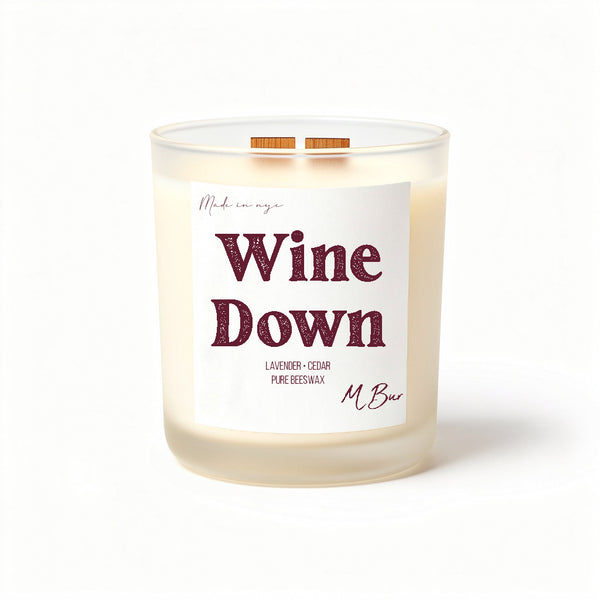
"Absolutely loved the Wine Down candle! The scent is so light and clean, not overpowering at all, which is exactly what I look for. A lot of other candles tend to give me headaches, but this one was a total game changer. I was able to enjoy the calming aroma without any discomfort."
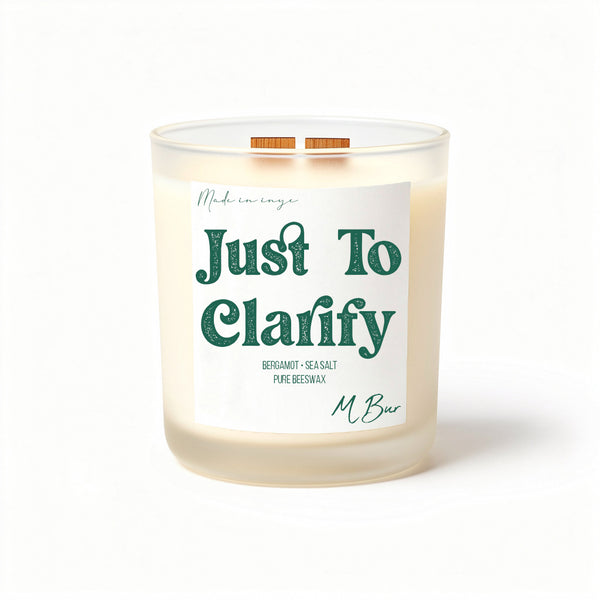
For clarity and calm during meditation or yoga, greener and quieter notes work better. Our Just to Clarify candle layers Bergamot, Lemon, Orange, Green Tea, Black Tea, and Sandalwood, so you get a bright open top with a grounding tea and wood base underneath.
3. Confirm the clean burn checklist
A good healing candle should tick every one of these boxes: single ingredient beeswax, phthalate free fragrance, no chemical dyes, and a clean wick with no metal core. Everything in our beeswax candle collection uses a crackling wooden wick and checks all four, and the entry size runs $32 for the 40 hour candle up to $65 for the 80 hour size.
One honest note: aromatherapy candles can genuinely shift your mood and help you relax, but they do not treat or cure any medical condition. If you are managing something diagnosed, follow your doctor's guidance and treat the candle as a sensory support, not a remedy.
Get the most out of it once you have chosen
The best candle in the world underperforms if you burn it wrong. Trim the wooden wick to about a quarter inch before each light, roughly the length of a grain of rice, so you avoid a smoky mushrooming flame.
On the very first burn, let the wax pool reach the edges of the container, which usually takes two to four hours. That prevents tunneling and protects your full burn time. Keep any single session under four hours, and stop burning once about half an inch of wax remains at the bottom.
Keep the flame away from drafts, vents, and anything flammable, at least a foot of clearance. Ventilation helps too. A cracked window keeps the air fresh even with the cleanest wax.

The bottom line
Scent really can move your emotions, because it wires directly into the emotional center of your brain. To feel the calm or clarity you are after, start with clean beeswax and a note that matches the mood, then burn it properly. If you want a place to start, Wine Down is our go to for winding down, and the rest of the lineup covers everything from morning focus to meditation.
Our candles carry hundreds of reviews from people who noticed the air quality difference the moment they switched. When you are ready, browse the full beeswax candle collection and pick the mood you want to come home to.
Related reading

