

How to Build an Evening Wind Down Routine With Candlelight (That Actually Works)
Your evening wind down routine is failing for a specific reason: the light in your room is telling your brain it's still the middle of the afternoon. Overhead LEDs, phone screens, the TV glowing in the corner, all of it sits in the blue spectrum, and blue light is exactly the signal your body reads as 'stay alert.' You can do every breathing exercise and magnesium gummy on the internet and still lie there wired at 11pm if the room around you is lit like a pharmacy.
This is where candlelight actually earns its reputation, and where a lot of people get the details wrong. Not every candle helps. Some make the problem worse. By the end of this post you'll know exactly how to build a wind down sequence around candlelight, what to look for in the candle itself, and where a piece like Do Not Disturb fits into it. If you want to skip ahead and just see the options, our full beeswax candle collection is right here.

Why Screens and Overhead Lights Sabotage Your Wind Down
Light intensity is measured in lux, and researchers have pointed to somewhere around 3 lux or less as the range that lets your body start winding toward sleep. A single candle sits comfortably in that range. A ceiling light or a phone screen does not, and it's not close.
Some research suggests that dimmer, warmer light in the evening supports the body's natural shift toward rest, partly because it isn't competing with the blue wavelengths that keep your system in daytime mode. Candlelight also flickers slightly, which some people find has a genuinely calming effect to watch. You can read more on the light exposure research here.
The Candle Itself Matters More Than People Think
Here's the part that trips people up. A candle marketed as 'relaxing' isn't automatically doing you any favors. Paraffin, which is what most drugstore and mall brand candles are made from, is a petroleum byproduct. Burning it releases compounds like benzene, toluene, and formaldehyde into the exact room you're trying to calm down in.
Soy candles are a step up, but a lot of them are blended with paraffin anyway, and plenty still use toxic fragrance oils loaded with phthalates to get that big scent throw. Beeswax skips the chemical processing entirely. It's a naturally occurring material, it burns the cleanest of the three, and it happens to have the highest melting point of any candle wax, which is why an 80 hour beeswax candle can genuinely burn for 80 hours instead of the number just being a marketing figure.
| Wax type | What it's made from | What it does when burned |
|---|---|---|
| Paraffin | Petroleum byproduct | Releases VOCs like benzene, toluene, formaldehyde |
| Soy | Plant based, often blended with paraffin | Cleaner than paraffin, still depends on fragrance quality |
| Beeswax | Naturally occurring, byproduct of honey production | Cleanest burn of the three, no chemical processing |
None of this replaces a doctor's guidance if you're managing a diagnosed sleep disorder, but for ordinary end of day static, the wax you're burning genuinely matters.

Building the Actual Routine, Step by Step
1. Pick a start time and stick to it
Somewhere between 30 and 60 minutes before you want to be asleep, start the sequence. Consistency is what trains your body to recognize the cues, so the exact time matters less than doing it at roughly the same time each night.
2. Kill the overhead light first
Turn off ceiling lights and any harsh lamps before you light anything. The contrast between a bright room going dark and a single warm flame is part of what makes the cue work.
3. Light with intention, not habit
Grab something built for this specific job. Do Not Disturb was made for exactly this moment, the shift from a full day into an actual nighttime headspace. One customer, Dawne, put it simply.
\"I love the scent of this candle. It is lovely not overpowering. It's soothing fragrance more than covers my bedroom and bathroom. It is aromatherapy at its best. I also love getting fragrance samples with my order.\" Dawne Forrest
The 20 hour size ($20) is enough to get you through a couple of weeks of nightly rituals before you need to think about it again.
4. Give the ritual something to attach to
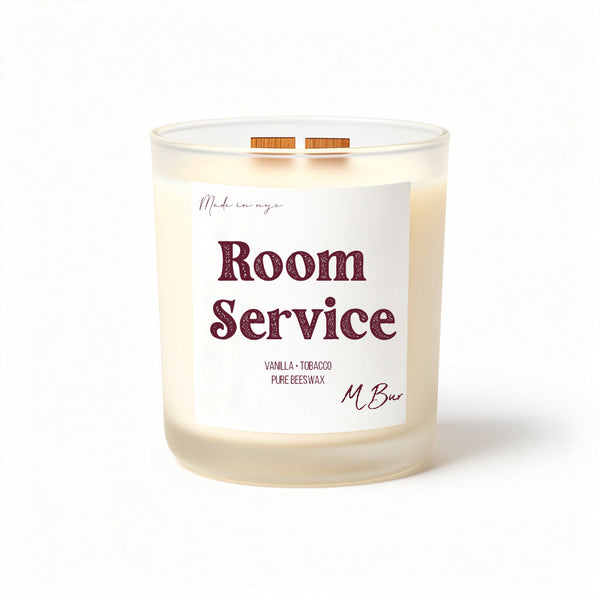
Candlelight works best paired with an actual activity, not just ambient background. A bath, ten minutes with a physical book, stretching on the floor. If your evenings tend to run from desk to dinner table to couch with zero transition, something like Wine Down is built specifically for that end of day shift, the moment where you're trying to actually stop being 'on.'

What to Actually Look For in a Wind Down Candle
- 100% beeswax, not a blend that's mostly paraffin with a beeswax label slapped on
- A wooden wick, which burns more evenly and gives you that low crackle sound
- Phthalate free, nontoxic fragrance, meaning no vague 'fragrance' catch all on the label
- No chemical dyes
- A burn time that matches how you actually use it, 20 hours for occasional use, 80 hours if this is becoming a nightly habit
MBur candles check every one of those boxes, which is a big part of why customers keep coming back for the nighttime scents specifically.
A Few Practical Tips Once You've Got the Routine Going
Trim the wick to about a quarter inch before each burn. It keeps the flame steady and prevents that mushroomed, sooty tip that throws off more smoke than scent. Crack a window if the room feels stuffy, even beeswax candles are still burning something and a little airflow never hurts. Cap your burn sessions around one to two hours at a time rather than letting a candle run all night unattended.
Frequently Asked Questions
How long should I actually burn a candle during my wind down routine?
Somewhere between 30 minutes and two hours works well for most people. Beyond that you're not getting extra benefit, you're just using up wax. The Do Not Disturb candle in the 20 hour size gives you roughly two to three weeks of nightly 45 minute sessions before you'd need a refill.
Do beeswax candles really burn cleaner than soy or paraffin?
Yes. Beeswax is a naturally occurring material that doesn't require the chemical processing paraffin does, and it isn't typically blended the way a lot of soy candles are. You can read a full breakdown of the material itself on our beeswax benefits post.
Can candlelight actually help me fall asleep faster?
Some research suggests that low, warm light in the evening supports the body's natural wind down process better than bright overhead or screen light does. It's one part of a routine, not a replacement for good sleep habits generally.
What scent should I pick for a nighttime routine specifically?
That depends on what 'unwinding' feels like for you. Do Not Disturb is built around a soft, bedroom appropriate profile, while Wine Down leans into that broader end of day exhale. Either one, or the full candle collection, is worth a look if you're not sure yet.
The Bottom Line
A real wind down routine comes down to two things working together, the light you're sitting in and what's actually burning in that light. Dim the room, light something that isn't quietly working against you, and give yourself a consistent nightly cue. Customers keep telling us that switching to a clean burning candle at night changed how their evenings feel, and Dawne's review above is a pretty good example of why. If you're ready to build this into your own routine, start with our full beeswax candle collection and find the scent that fits your evenings best.
Related reading

