
From Petals to Perfume: A Fascinating Journey into the Creation of Floral Fragrances
From Petals to Perfume: A Fascinating Journey into the Creation of Floral Fragrances
What customers say on Google
View on Google
Step into a world where nature’s finest scents are captured and transformed into beautiful bottles of fragrance. In this captivating article, we delve into the intriguing process of creating floral perfumes, from the delicate petals to the alluring scents that captivate our senses.
The world of perfumery is an art, where skilled perfumers blend science and creativity to unlock the essence of flowers. Every step in the process is carefully calculated, from the selection of the most exquisite flowers to the meticulous extraction methods employed to capture their unique aromas. Undoubtedly, the creation of a floral fragrance is a labor of love that requires passion, expertise, and a delicate touch.
Join us as we uncover the secrets of distillation, enfleurage, and other traditional techniques that have been passed down through generations. We'll also explore the modern innovations that have revolutionized the perfume industry, giving rise to new and exciting ways of capturing the essence of nature.
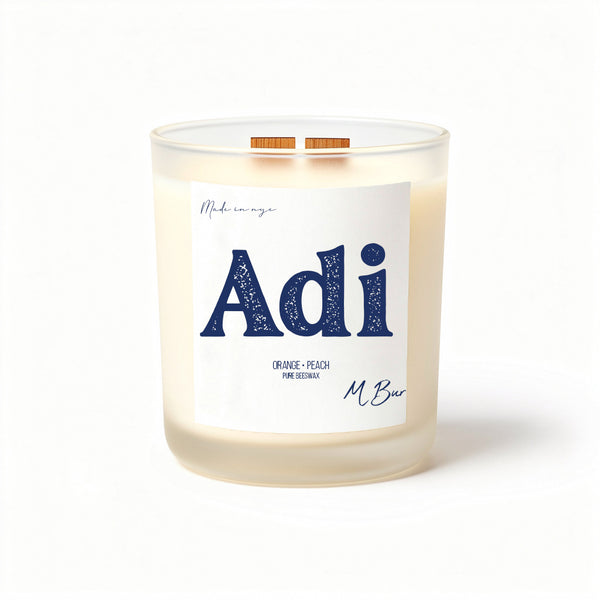
Adi Candle
$65.00
So, whether you're a fragrance enthusiast or simply curious about the magic behind your favorite scent, this article will take you on a fascinating journey through the world of floral fragrances.
The history of floral fragrances
Fragrances have been used for centuries, and floral scents have always held a special place in the hearts of perfume enthusiasts. The history of floral fragrances can be traced back to ancient civilizations, where flowers were revered for their beauty and intoxicating aromas. In ancient Egypt, for example, flowers like rose, jasmine, and lotus were used to create perfumes that were considered sacred.
As the art of perfumery evolved, floral fragrances became more popular. In the 18th and 19th centuries, perfumers began to experiment with different extraction methods to capture the essence of flowers. They discovered that distillation was an effective way to extract the aromatic compounds from flowers, and this technique is still widely used in perfumery today.
The process of extracting fragrance from flowers
The creation of a floral fragrance begins with the careful selection of flowers. Perfumers choose flowers that have a strong and distinct scent, such as rose, jasmine, lavender, and ylang-ylang. These flowers are then harvested and processed to extract their fragrance.
One of the traditional methods used to extract fragrance from flowers is distillation. This process involves heating the flowers and capturing the steam that is released. The steam is then condensed to create a liquid known as a hydrosol, which contains the aromatic compounds of the flowers.
Another traditional technique is enfleurage, which is used to extract fragrance from delicate flowers that cannot withstand the heat of distillation. In enfleurage, flowers are placed on a layer of fat, such as animal fat or vegetable oil. Over time, the fat absorbs the fragrance of the flowers, creating a scented oil known as an enfleurage pomade.
Popular flowers used in perfumery
Certain flowers have become synonymous with perfumery due to their captivating scents and versatility in fragrance compositions. Rose, often referred to as the "queen of flowers," is a classic choice for perfumers. Its sweet, floral aroma adds a touch of romance and sophistication to any fragrance. Jasmine, with its intoxicatingly rich and sensual scent, is another popular flower used in perfumery. Other flowers commonly used in fragrance compositions include lavender, lily of the valley, and tuberose.
The art of blending floral notes
Creating a floral fragrance is not simply about capturing the scent of a single flower. Perfumers are masterful in the art of blending different floral notes to create harmonious and complex compositions. By combining various flowers and balancing their individual characteristics, perfumers can create fragrances that are both unique and captivating.
Blending floral notes requires a deep understanding of the nuances of each flower's scent. Some flowers, like rose and jasmine, are more dominant and can overpower other notes if not carefully balanced. Other flowers, like lavender and lily of the valley, have lighter and more delicate scents that can add freshness and subtlety to a fragrance. Perfumers skillfully combine these different floral notes, along with other ingredients like spices, fruits, and woods, to create well-rounded and captivating perfumes.
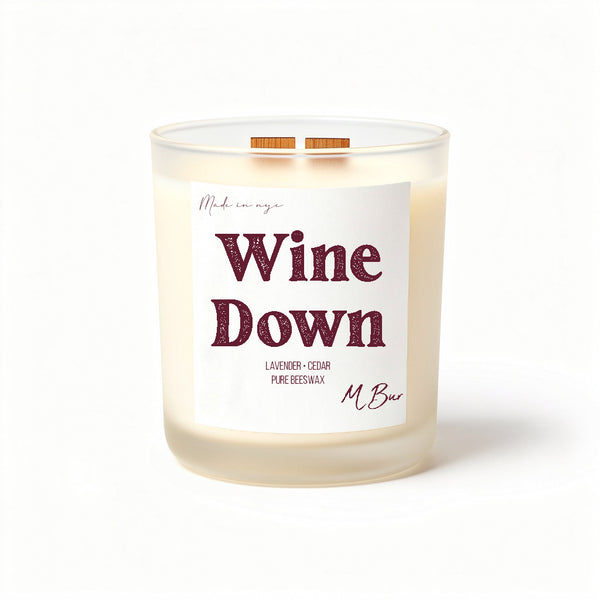
Wine Down Candle
$65.00
Factors to consider when creating floral fragrances
When creating a floral fragrance, perfumers must consider several factors to ensure a successful composition. One important factor is the concentration of the fragrance. The concentration determines the intensity and longevity of the scent. Higher concentrations, such as parfum or extrait de parfum, are more potent and have a longer-lasting effect, while lower concentrations, such as eau de toilette or eau de cologne, have a lighter and more fleeting scent.
Another factor to consider is the seasonality of the fragrance. Some floral scents are more suitable for certain seasons. For example, light and airy florals like lily of the valley and citrus blossoms are often associated with spring and summer, while richer and more opulent florals like rose and tuberose are often preferred in the fall and winter.
The target audience is also an important consideration when creating a floral fragrance. Different demographics have different preferences when it comes to scent. Younger consumers may gravitate towards fresh and fruity florals, while older consumers may prefer more sophisticated and classic floral compositions.
The role of technology in modern perfumery
While traditional techniques like distillation and enfleurage are still widely used in perfumery, advancements in technology have revolutionized the industry. Modern perfumers now have access to innovative tools and ingredients that allow them to create fragrances with greater precision and efficiency.
One such innovation is the use of headspace technology, which allows perfumers to capture the scent of a flower without actually extracting it. By placing a flower in a sealed container and collecting the volatile compounds it releases, perfumers can analyze and recreate the scent in the lab. This technology has expanded the range of flowers that can be used in perfumery and has opened up new possibilities for creating unique and exotic fragrances.
Famous floral fragrances and their inspirations
Throughout history, many iconic floral fragrances have left a lasting impression on the perfume industry. Chanel No. 5, created by Ernest Beaux in 1921, is a timeless classic that features floral notes of rose and jasmine, along with other ingredients like ylang-ylang and sandalwood. This fragrance revolutionized the industry and set the standard for modern perfumery.
Another famous floral fragrance is Guerlain's Shalimar, which was created in 1925 by Jacques Guerlain. Inspired by the gardens of Shalimar in India, this fragrance combines floral notes of rose and iris with oriental accords like vanilla and incense. Shalimar is known for its sensual and exotic aroma and has become a symbol of luxury and elegance.
Tips for choosing and wearing floral fragrances
When it comes to choosing and wearing floral fragrances, there are a few tips to keep in mind. Firstly, consider your personal preferences and the occasion for which you'll be wearing the fragrance. Light and fresh florals are great for daytime and casual occasions, while richer and more intense florals are better suited for evening and formal events.
It's also important to consider your body chemistry when selecting a floral fragrance. The same fragrance can smell different on different people due to variations in skin acidity and other factors. To find the perfect floral fragrance for you, try testing different scents on your skin and observe how they develop over time.
Conclusion: The enduring allure of floral fragrances
Floral fragrances have stood the test of time and continue to captivate our senses with their beauty and elegance. From the delicate petals to the alluring scents, the creation of a floral perfume is a labor of love that requires skill, creativity, and a deep appreciation for nature's creations.
Whether you're a fragrance enthusiast or simply curious about the magic behind your favorite scent, exploring the world of floral fragrances is a fascinating journey. From the traditional techniques passed down through generations to the modern innovations that have revolutionized the industry, the art of creating floral perfumes is a perfect blend of science and artistry.
So, take a moment to indulge in the enchanting world of floral fragrances and discover the beauty that lies within each bottle. From roses to jasmine, lilies to lavender, the allure of floral scents will forever hold a special place in the hearts of perfume lovers around the world.
What buyers say:

