

Extend Your Candle's Lifespan: Tips to Make It Last Twice as Long
Your expensive candle is melting into a puddle in half the time the label promised, and the culprit is usually how you lit it the very first time. Most people treat lighting a candle like striking a match and walking away. That habit destroys candle longevity before the first hour even finishes.
Wax has a memory. The way it melts on day one dictates how it will burn for the rest of its life. If you want to know how to make a candle last twice as long, you have to change your approach to the flame itself. We will cover the exact physics of wax memory and the wick trimming schedule that actually works. You will also learn the ingredient swap that naturally extends your burn time without any extra effort.
You can see the results of proper candle care across our full beeswax candle collection right now.

The Science of Candle Longevity
When you light a wick, the flame melts the wax immediately surrounding it. That liquid wax travels up the wick through capillary action to fuel the fire. If you blow the candle out before the melted wax reaches the edges of the glass, the wax cools and hardens in a narrow channel. This is called tunneling.
Once a tunnel forms, the wick drops deeper into the hole. The flame gets starved of oxygen and drowns in its own wax pool. You lose all the unmelted wax stuck to the sides of the jar. The candle essentially buries itself alive.
Wick length also controls your burn rate. A long wick creates a larger, hotter flame. That extra heat vaporizes your wax at an accelerated rate and produces black soot. Trimming the wick keeps the flame small and the melt rate steady, which is the core secret to extending candle burn time.
Actionable Steps to Maximize Candle Life
Step 1: The First Burn Protocol
The initial lighting sets the pattern for every subsequent burn. You need to let the candle burn until the melted wax reaches the very edges of the container. A reliable guideline is to burn the candle for one hour per inch of its diameter. A standard three inch jar needs about three hours for that first session. This establishes a full melt pool and prevents tunneling from ever starting.
Step 2: Trim the Wick Every Single Time
Before you strike a match, trim your wick to about one quarter of an inch. This is the single most effective way to extend candle burn time. A short wick produces a clean, steady flame that melts wax efficiently without burning through it too fast. Wooden wicks require a slightly different approach. You simply snap off the charred wood at the top until you reach the fresh wood underneath, keeping it short and even.

Step 3: Respect the Four Hour Limit
Burning a candle for too long causes the wax to overheat. When the wax gets too hot, the container can crack and the wick can become unstable. The ideal burn session lasts between two and four hours. This gives the wax enough time to melt evenly without degrading the clean fragrance oils or compromising the vessel.
Step 4: Control the Environment
Drafts from open windows or air conditioning vents push the flame side to side. This uneven burning melts the wax faster on one side and causes heavy sooting. Keep your candle in a still area. Let it cool completely for at least two hours before relighting it. When the wax cools slowly and evenly, it maintains a smooth surface. This prevents the wick from getting buried under uneven wax ridges during your next lighting session.
Keep the candle away from direct sunlight when it is not in use. Ultraviolet rays degrade the fragrance oils and cause the wax to soften prematurely.
The Wax Factor: Why Ingredients Dictate Lifespan
All the wick trimming in the world will not fix a candle made from low melting point wax. Paraffin wax is a petroleum byproduct that melts quickly and burns hot. Soy wax burns slightly cooler but often requires chemical additives to hold heavy fragrance loads. These softer waxes simply vaporize faster when exposed to a flame.
Beeswax operates on a completely different physical level. It has the highest melting point of any candle wax. This natural density means it takes significantly more heat energy to melt the wax, resulting in a much slower, longer burn. A pure beeswax candle naturally outlasts paraffin and soy blends by a wide margin.
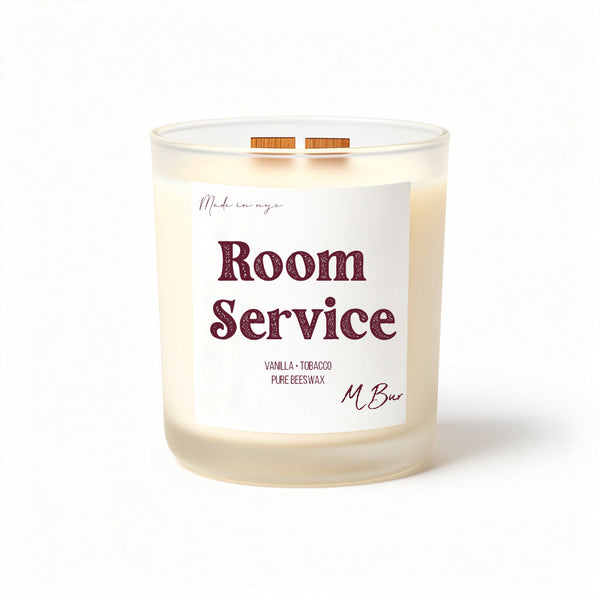
Our Room Service candle leverages this exact property. The dense wax combined with a crackling wooden wick creates a slow, even burn that stretches your investment. The 80 hour size gives you weeks of use when you follow the basic care rules.
"From the packaging to the burn of the candle, everything was top notch! Candle burned slowly and was exactly the amount of hours the company said it would burn. I was able to enjoy it for days even though it was the smaller size. Company included samples, instructions, and shipped fast. Well done, MBur Candle Co!"
Portia Darby
When you choose a dense, single ingredient wax, you do not have to fight the candle to make it last. The material does the heavy lifting for you. You can explore all our slow burning options in our complete beeswax candle collection.

Debunking Internet Hacks
You will find plenty of bizarre tips online claiming to double your burn time. Freezing your candles is a popular myth. Putting a glass jar in the freezer causes the wax to contract and crack. It can also shatter the glass when you introduce a hot flame to a freezing container. The cold wax eventually reaches room temperature and burns at the exact same rate. People likely confuse this with the old myth about freezing batteries to make them last longer.
Adding salt to the wax pool is another useless trick. Salt does not alter the melting point of the wax or change the burn rate. It just sits at the bottom of the jar and interferes with the wick. Stick to proper wick maintenance and draft control instead.
Frequently Asked Questions
How often should I trim my candle wick?
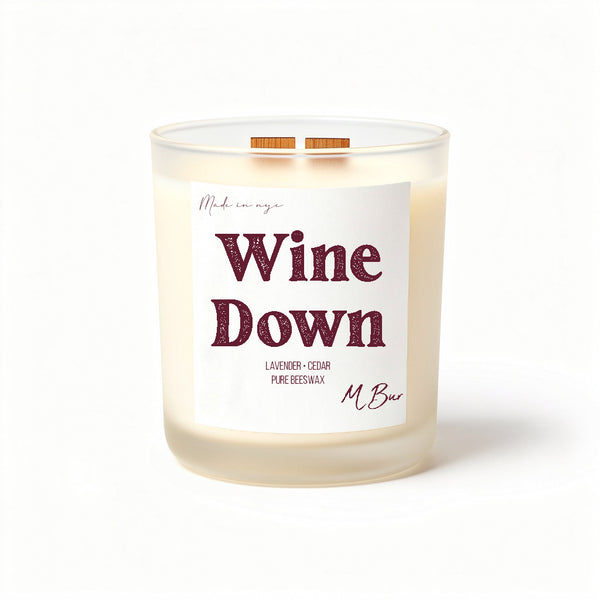
You should trim the wick before every single burn. Keeping it at one quarter of an inch prevents soot and stops the flame from burning too hot. You can easily maintain our Wine Down candle and the rest of your collection with a simple wick trimmer or by snapping the charred wood on a wooden wick.
What happens if you burn a candle too long?
Burning past the four hour mark overheats the wax and the glass container. The fragrance oils can break down and lose their scent profile. The wick might also start to mushroom and produce excess smoke.
Why is my candle tunneling?
Tunneling happens when you blow the candle out before the melt pool reaches the edges of the glass. The wax hardens in a narrow ring, leaving the outer wax untouched. Always let the wax melt completely to the edges during your first burn.
Does freezing candles make them last longer?
Freezing candles actually damages them. The extreme temperature change can crack the glass and fracture the wax. It provides zero benefit to the actual burn time once the candle returns to room temperature.
Final Thoughts
Maximizing your candle life comes down to respecting the physics of the wax and the wick. Establish a full melt pool on the first day, keep the wick trimmed short, and choose a dense wax like beeswax that naturally resists melting too fast. When you follow these steps, your candles will easily reach their maximum advertised burn time.
Ready to upgrade to a candle that actually lasts? Browse our full beeswax candle collection and find your new favorite slow burning scent.
Related reading

