

Do Candle Warmers Actually Work? The Truth About Fragrance Diffusion
If your candle warmer is putting out a weak, flat scent, the warmer is probably doing its job fine. The problem is what is sitting in the jar. A warmer only heats and evaporates whatever is already there, so a candle made with cheap paraffin and low grade oils will smell exactly as cheap when it melts as it does when it burns.
That is the honest answer to the question everyone keeps typing into search. Yes, candle warmers work. They melt wax, they release fragrance, and they do it with no flame and no soot. But a warmer is only as good as the candle you put on it, which is why so many people buy one, get underwhelmed, and blame the gadget. Before you give up, it helps to know what is actually happening on that hot plate, and it helps even more to start with a candle worth warming. Our full beeswax candle collection is built for exactly this kind of slow, gentle diffusion.

How a Candle Warmer Actually Works
There are two common styles. A top down warmer lamp sits above the candle and uses a low wattage bulb to melt the wax from the surface. A bottom up warmer is a heated plate you set the jar on, melting from below.
Both skip combustion entirely. Instead of a flame reaching around 1,400 degrees Celsius, a warmer heats wax to roughly 140 to 180 degrees Fahrenheit. That is just hot enough to liquefy the top layer and let the fragrance oils evaporate into the room.
Because there is no burning, there is no wick consuming wax as fuel. The candle is not shrinking, it is just going liquid and giving off scent. That single difference explains almost everything people love and misunderstand about warmers.
Candle Warmers vs Burning: What Actually Changes
The biggest myth is that a warmer instantly makes a candle smell stronger than a flame. It does not, at least not in the first ten minutes. A flame vaporizes wax fast, so you get a quick, heavy hot throw right away.
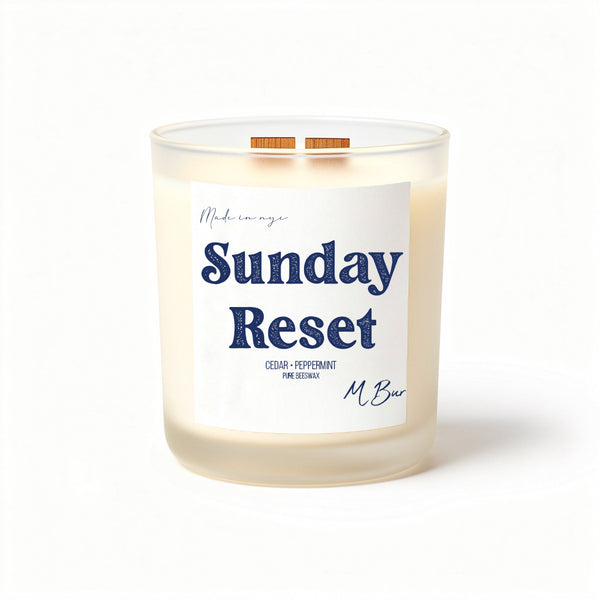
A warmer trades that initial punch for consistency. The lower, steadier heat releases fragrance at a gentler pace, which means the scent holds an even level for hours instead of spiking and fading. It also protects delicate top notes that a hot flame can scorch off, so citrus and green notes tend to survive better.
Here is the practical comparison.
| Factor | Burning (flame) | Candle warmer |
|---|---|---|
| Initial scent throw | Fast, heavy | Slower, builds gradually |
| Scent consistency | Peaks then fades | Steady for hours |
| Delicate top notes | Can burn off | Better preserved |
| Soot and smoke | Present with paraffin | None |
| Fire risk | Open flame | No flame |
| Candle lifespan | Standard | Roughly 30 to 50 percent longer |
That last row is why warmers went viral. Since the wax is melting rather than burning away, a single candle can last considerably longer, which stretches every dollar you spend.

Why Your Warmer Might Not Be Throwing Scent
If the diffusion falls flat, one of a few things is usually going on, and none of them mean the warmer is broken.
The top layer is spent. A bottom up warmer melts the same pool over and over. After several sessions, the fragrance oils in that top layer fully evaporate, leaving unscented wax. Pour off a thin layer of that spent wax and you expose fresh, fragrant wax underneath.
You cranked the heat. Maxing out an adjustable warmer burns through the oils fast and actually shortens how long the scent lasts. A moderate setting gives you a longer, cleaner throw.
The room is working against you. A warmer tucked into a dead corner or a stuffy, humid room has nothing to move the scent around. Set it somewhere with gentle airflow so the fragrance can travel.
The wax and oils are low quality to begin with. This is the one no gadget can fix. Cheap paraffin blends with weak fragrance oils simply do not have much to give, whether you burn them or warm them.
The Part Nobody Mentions: Warmers Are Not Automatically Clean
The internet loves to call warmers pollution free because there is no flame, no smoke, and no black soot on your walls. Skipping combustion is a genuine win. It removes the benzene and toluene off gassing tied to burning paraffin wicks, and it removes the fire risk that comes with an open flame.
But cleaner air still depends on what is in the wax. Research compiled by the National Center for Biotechnology Information notes that heating scented wax can still release volatile organic compounds and fine particles from the fragrance oils themselves. A warmer removes the smoke, it does not sanitize a candle loaded with toxic fragrance.
So the real question is not warmer versus flame. It is what you are melting. Put a candle made with paraffin and phthalate heavy oils on a warmer and you are still evaporating those compounds into your living room, just without the visible soot to warn you.
What to Melt Instead
This is where the candle itself does the heavy lifting. MBur candles are 100 percent beeswax, a single ingredient with no paraffin blend hiding underneath. The fragrance is phthalate free, there are no chemical dyes, and beeswax naturally burns and melts cleaner than soy or paraffin.
Beeswax also has the highest melting point of common candle waxes, which is part of why it delivers such long life. On a warmer, that translates to a slow, even release of scent that holds for hours without degrading.
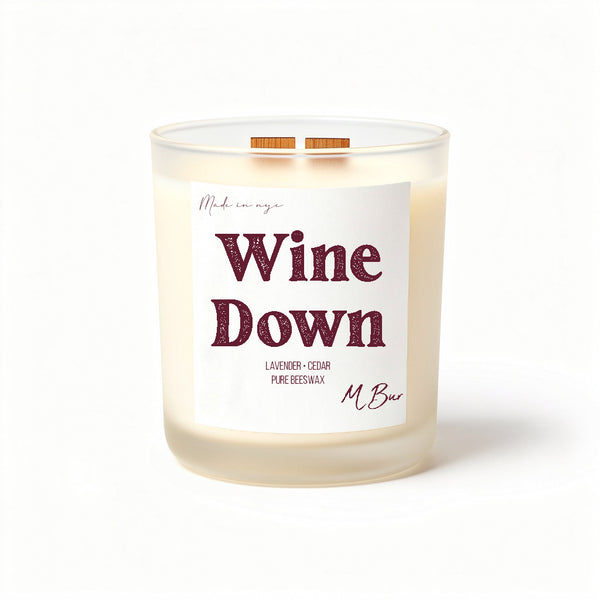
"Absolutely loved the Wine Down candle. The scent is so light and clean, not overpowering at all, which is exactly what I look for. A lot of other candles tend to give me headaches, but this one was a total game changer." Nicole D.
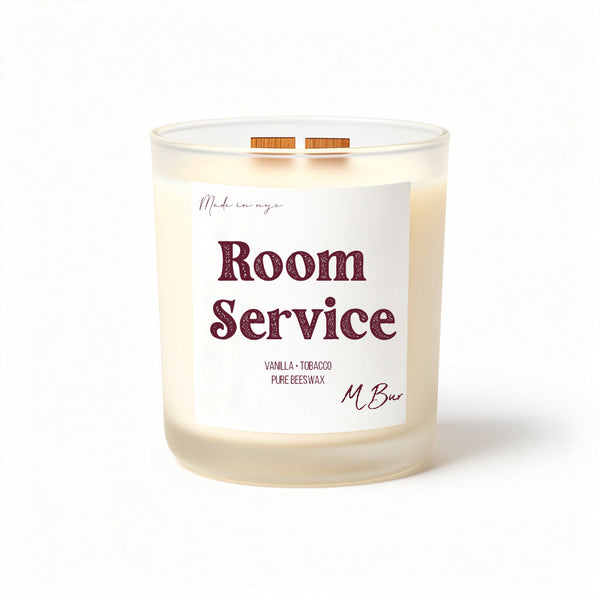
That is the difference a clean base makes. If you want something soft and calming to warm at the end of the day, the Wine Down candle (starting at $20 for the 20 hour size, up to $65 for the 80 hour size) leans into lavender, chamomile, sage, and rosemary. If you want a warmer, richer scent for entertaining, Room Service, our bestseller, brings that white tea and vanilla hotel lobby feeling.
How to Get the Best Diffusion From Your Warmer
A few habits make a real difference.
- Run it 3 to 4 hours at a time, then switch off and let the wax cool completely before the next session.
- Keep the heat moderate. Resist the urge to max out an adjustable dial.
- Match the vessel to the warmer. A wide, shallow jar melts more evenly under a top down lamp than a narrow, deep one.
- Pour off spent top wax once the scent fades, to reach the fragrant wax below.
- Place it in gentle airflow, not a stagnant corner.
Follow those and a good candle will throw scent for weeks longer than it would on a flame.

The Bottom Line
Candle warmers absolutely work. They melt wax, release fragrance steadily, skip the soot and the flame, and make your candles last dramatically longer. What they cannot do is turn a low quality candle into a good one, because a warmer only evaporates what is already inside the jar.
Start with clean wax and clean fragrance and the warmer becomes a genuinely great way to enjoy a candle. Our beeswax candles are handmade in New York, single ingredient, and phthalate free, with a 4.8 star average across more than 50 reviews. Browse our full beeswax candle collection and pick something worth warming.

