
If your air feels stuffy an hour after you light a candle, the wax is usually the culprit. Paraffin is a petroleum byproduct. When it burns, it can release benzene, toluene, and formaldehyde into the room. Those are the compounds your body flags first.
What customers say on Google
View on Google
The trigger sits deeper than the smell. Modern homes seal tight for energy savings, so there is less fresh air trading in and out. That means soot and unstable gases hang around longer than they used to. A pure beeswax candle sidesteps most of this, because it burns clean with no paraffin soot and no heavy toxic fragrance, so you can keep a space smelling fresh instead of masking it. Start by fixing the source of any bad smell, then let a clean candle do the rest, like the ones in our pure beeswax candle collection.
Throwing out your paraffin candle is the easy part. It is not the part that fixes your air. To do that, you need to know what actually gets into it.
The concern is real, and worth taking seriously
Research has found that burning candles raises fine particle levels indoors. One study measured a jump in tiny airborne particles within minutes of lighting. Those particles are small enough to reach deep into your lungs.
Studies have also shown that paraffin candles release more of these compounds than cleaner waxes. The soot settles fast. The gases do not. They can float in a closed room for hours after the flame is out.
This matters most for people with sensitive lungs. If you have asthma, allergies, or another respiratory condition, follow your doctor's guidance on candle use. Your worry here is legitimate. You are not imagining the tight chest or the dull headache.
Here is the honest part. Cleaner wax helps, but wax alone is not the whole story. Two candles made from the same wax can pollute your air at very different rates. The difference comes down to a few things most labels never explain.
Why some candles wreck your air and others don't
Wax sets the floor for everything else. Paraffin starts from crude oil. It burns dirtier than natural waxes and gives off the most unstable gases. That is why swapping it is the single biggest win.
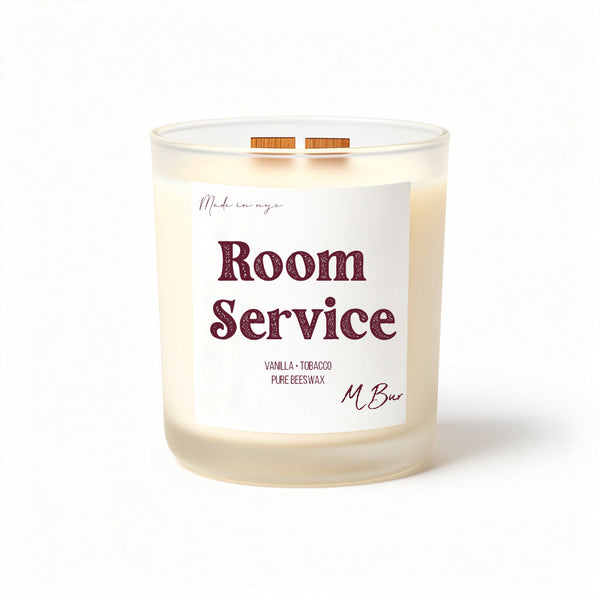
Soy sits in the middle. It burns cleaner than paraffin. The catch is that soy is often blended with paraffin, and many soy candles carry toxic fragrances loaded with phthalates.
Beeswax is the cleanest of the common waxes. It occurs naturally and needs no chemical processing. It has the highest melting point, so it burns slow and steady. That slow burn means fewer particles kicked into your air per hour.
| Wax type | Source | Burn quality | Common issues |
|---|---|---|---|
| Paraffin | Petroleum byproduct | Dirtier, more soot | Releases benzene, toluene, formaldehyde |
| Soy | Soybean oil | Cleaner than paraffin | Often blended with paraffin, may use toxic fragrance |
| Beeswax (MBur) | Byproduct of honey production | Cleanest, slow, steady, 80-hour burn | None with pure, single-ingredient wax |
The word doing the most work on any candle label is "fragrance." That single word can hide phthalates, chemicals used to stretch scent life that may disrupt hormones. This is where a lot of the air trouble comes from.
MBur uses only non-toxic, phthalate-free fragrance oils. No hidden phthalates. No parabens. That is a big reason people who react to other candles tend to do fine with these. Our Wine Down beeswax candle carries notes of lavender, chamomile, sage, rosemary, camphor, cedar, and sandalwood, all built on that clean, phthalate-free base.
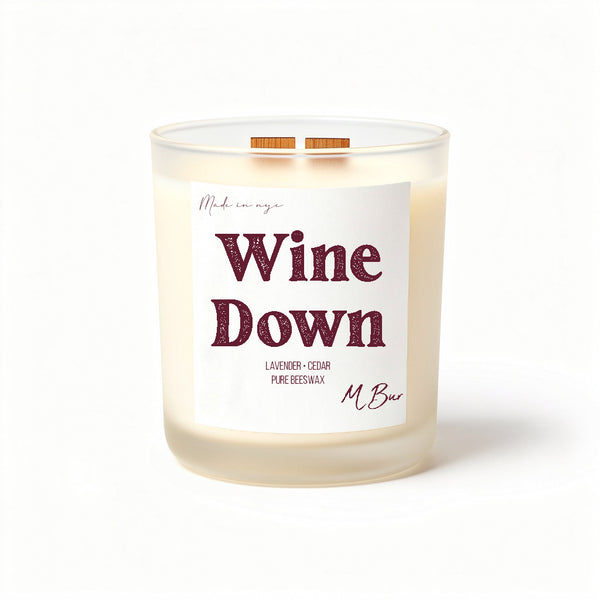
Wine Down Candle
$65.00
"Absolutely loved the Wine Down candle! The scent is so light and clean, not overpowering at all, which is exactly what I look for. A lot of other candles tend to give me headaches, but this one was a total game-changer. I was able to enjoy the calming aroma without any discomfort." Nicole D.
The parts you can see with your own eyes
Look at the wick. Metal-core wicks can put metal into your air, and older lead-core wicks were a real problem. A cotton or wooden wick burns cleaner. MBur uses wooden wicks that crackle softly and burn even.
Look at the color. Bright dyed wax often means chemical dyes, which add nothing but pollution when they burn. MBur uses no chemical dyes at all.
Look at the glass after an hour. A clean candle leaves the jar mostly clear. Heavy black soot up the sides is a warning sign, and it usually points back to paraffin or a bad wick.
So the problem is ingredient-specific. It is not that all candles are dangerous. Bad wax, hidden phthalates, metal wicks, and chemical dyes are the real risk factors. Strip those out and you get a candle that keeps your air clean.
How to choose a candle that protects your air
Run any candle through this quick checklist before you buy.
- 100% single-ingredient wax, ideally beeswax, never a paraffin blend
- Cotton or wooden wick, never metal-core
- Phthalate-free, non-toxic fragrance
- No chemical dyes
- A brand that tells you exactly what is inside
MBur checks every box. The wax is 100% beeswax, made in New York City, and beeswax is naturally hypoallergenic. It is also the oldest candle material, used since about 5,000 BCE, long before anyone thought to add petroleum.
If you want a bright, everyday scent that stays clean in the room, our Adi beeswax candle carries notes of lemon, orange, grapefruit, mandarin, tangerine, lime, peach, and agave. The 40-hour size runs $32, and the 80-hour size is $65.
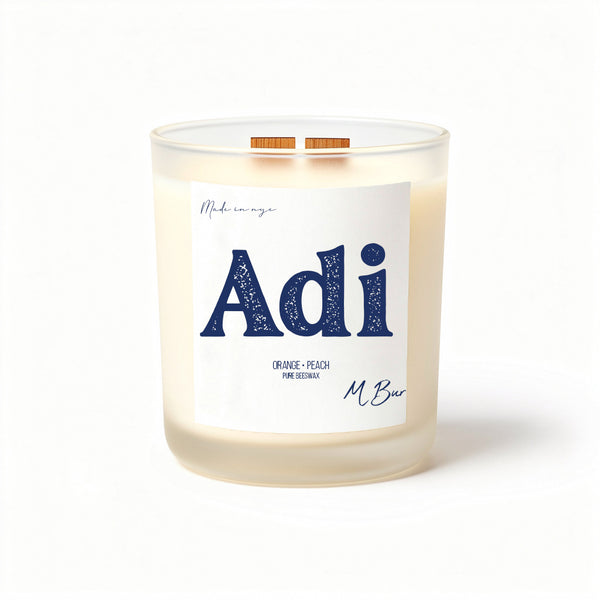
Adi Candle
$65.00
Simple habits that keep your air fresher
Even the cleanest candle burns better with good habits. Trim the wick to about a quarter inch before every light. This cuts down smoke right away.
Crack a window or run a quiet fan while it burns. Fresh air moving through a room clears out fine particles fast. Tight modern homes need this more than old drafty ones did.
Do not burn for hours on end. Many experts suggest keeping burns to a few hours at a time. When you put it out, use a snuffer instead of blowing, since blowing sends a plume of soot into the room.
You can read more on indoor air basics from the EPA guide to indoor air and moisture if you want the deeper science.
Frequently asked questions
Do beeswax candles really burn cleaner than paraffin?
Yes. Beeswax occurs naturally and needs no chemical processing, so it burns cleaner than petroleum-based paraffin. Pair that with a wooden wick and no dyes and you get a much cleaner burn, like our beeswax candle collection.
Will a candle make my room actually smell fresh or just cover the smell?
A pure beeswax candle with non-toxic fragrance keeps a room smelling fresh instead of masking it with heavy chemicals. Fix the source of any bad smell first, then let a clean candle like Adi keep the air bright.
Is it safe to burn candles if I have asthma or allergies?
People with respiratory conditions should be careful with any candle and follow their doctor's guidance. Choosing a phthalate-free, chemical-dye-free option like Wine Down and keeping the room ventilated helps reduce what you breathe in.
How long do MBur candles burn?
Beeswax has the highest melting point of any candle wax, so it burns slow. Sizes range from a 40-hour candle at $32 up to an 80-hour candle at $65 across our candle collection.
The takeaway
The wax, the wick, the fragrance, and the dye decide whether a candle helps or hurts your air. Skip paraffin, hidden phthalates, metal wicks, and chemical dyes, and you skip most of the problem. Pure beeswax with a wooden wick clears that bar.
For a clean, room-filling scent that keeps your air fresh, start with the Wine Down beeswax candle, loved by readers who get headaches from other candles. As one buyer, Nicole D., put it, it was "a total game-changer" for her sensitive nose.
Browse the full pure beeswax candle collection and pick the scent for your space.
Related reading

