

Candle Warmer vs Lighting a Candle: Which Is Actually Better?
Candle warmers are having a moment. Over 60 percent of American households now use some kind of flameless fragrance device, and the whole category has jumped from a niche gadget to a $245 million market. So the obvious question is whether you should stop lighting your candles altogether and put them under a lamp instead.
The short answer: it depends on what you want out of the candle. The long answer is worth the five minutes, because the wrong choice can waste money, weaken your scent, or turn a $65 candle into a jar of odorless wax. Before we get into the head to head, know that the wax itself matters more than the heating method, which is why we only make our full beeswax candle collection from single ingredient pure beeswax with phthalate free fragrance.

The Two Methods, Explained Simply
Lighting a candle is combustion. The flame reaches near 1,400 degrees Celsius and burns the wick and wax as fuel, releasing fragrance into the air as it goes. Wax gets consumed. That is why a candle eventually runs out.
A candle warmer uses gentle heat instead of fire. A lamp bulb or a heated plate warms the top of the wax to roughly 50 to 65 degrees Celsius, just enough to melt the surface and release the fragrance oils. No flame, no wick burning, no soot.
That single difference drives everything below.
Side by Side: The Full Comparison
| Factor | Lighting the Candle | Candle Warmer |
|---|---|---|
| Scent throw (first 30 min) | Strong, immediate hot throw | Subtler, builds slowly |
| Scent throw (over time) | Consistent while burning | Very steady, longer lasting |
| Candle lifespan | Baseline | 30 to 50 percent longer |
| Fire risk | Open flame present | No flame |
| Soot on walls | Possible with paraffin | None |
| Upfront cost | Just the candle | Candle plus $10 to $50 warmer |
| Ambiance | Flame glow, wooden wick crackle | Lamp glow, silent |
| Leftover wax | Fully consumed | Unscented wax remains |
Notice that there is no clean sweep for either side. Each wins different rounds.
Round 1: Scent Throw
If you want a room to smell incredible within a few minutes, the flame wins. High localized heat vaporizes the fragrance oils fast, giving you that big hot throw people notice the second they walk in. Warmers start slower because the heat is lower, so the scent builds gradually.
Over a long stretch, though, the warmer holds steadier. No flickering, no draft affecting the burn, just a calm even release for hours. A common complaint from warmer users is that the scent eventually exhausts from the top layer of wax while un melted wax sits below, but that is easy to fix, and we cover it in the FAQ.
Winner: the flame for instant impact, the warmer for all day consistency.

Round 2: Candle Lifespan and Cost Per Hour
This is where the warmer earns its keep. Because it melts wax instead of burning it, the wax evaporates far slower. That extends a candle's usable life by 30 to 50 percent, sometimes closer to double.
Do the math on a premium candle. Our 80 hour size runs $65. Stretch that lifespan by even 40 percent under a warmer and your cost per fragrant hour drops noticeably. Add a warmer for anywhere from roughly $14 to $30 depending on the model, and it can pay for itself over a few candles.
That said, the flame method has zero upfront gear cost. If you burn occasionally and enjoy the ritual, buying a warmer may never break even.
Winner: the warmer, if you burn often.
"From the packaging to the burn of the candle, everything was top notch. Candle burned slowly and was exactly the amount of hours the company said it would burn. I was able to enjoy it for days even though it was the smaller size."
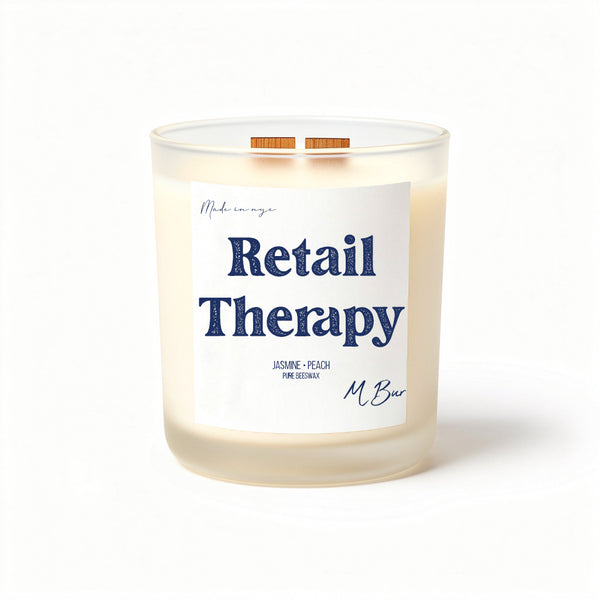
Portia Darby, on Retail Therapy
Portia's note about the slow, honest burn is the beeswax advantage in action. Beeswax has the highest melting point of any candle wax, which is exactly why our candles last so long whether you light them or warm them. If a scent like hers appeals to you, Retail Therapy layers peach, red currant, black currant, jasmine, black tea, amber, anise, and tonka bean into something rich and a little addictive.
Round 3: Safety and Air Quality
Open flame candles account for roughly 7,600 home structure fires a year in the U.S., according to reporting compiled by the National Fire Protection Association. Warmers remove the flame and the burning wick entirely, which is the clearest safety win either side scores. No tip over fire, no forgotten candle scorching a shelf, no soot on the walls.
Here is the part the warmer marketing leaves out. A warmer is only as clean as the wax and oils inside the jar. Studies, including recent work summarized by the National Institutes of Health, show that continuously heating scented wax can release volatile organic compounds into indoor air. So a warmer melting a paraffin candle loaded with toxic fragrance is not the clean upgrade people assume.
The genuinely clean setup is a warmer or a flame plus a candle made from a naturally occurring wax and non toxic, phthalate free fragrance. That is where the ingredient list matters more than the heat source.
The Real Variable Nobody Talks About: What Is In the Wax
Paraffin is a petroleum byproduct, full stop. When burned, paraffin candles release benzene, toluene, and formaldehyde, and heating them under a warmer does not magically remove the concern. Soy is a step up but is often blended with paraffin and frequently carries toxic fragrances containing phthalates and parabens.
Beeswax is different. It is a naturally occurring material, a byproduct of honey production, and it needs no chemical processing. It burns cleanly with the highest melting point of any candle wax, which is why an 80 hour MBur candle actually lasts 80 hours. It is also naturally hypoallergenic, which matters for anyone who reaches for a candle and immediately regrets it.
Several of our reviewers found exactly that.
"A lot of other candles tend to give me headaches, but this one was a total game changer. I was able to enjoy the calming aroma without any discomfort. Highly recommend if you're sensitive to strong scents but still want something that smells amazing."
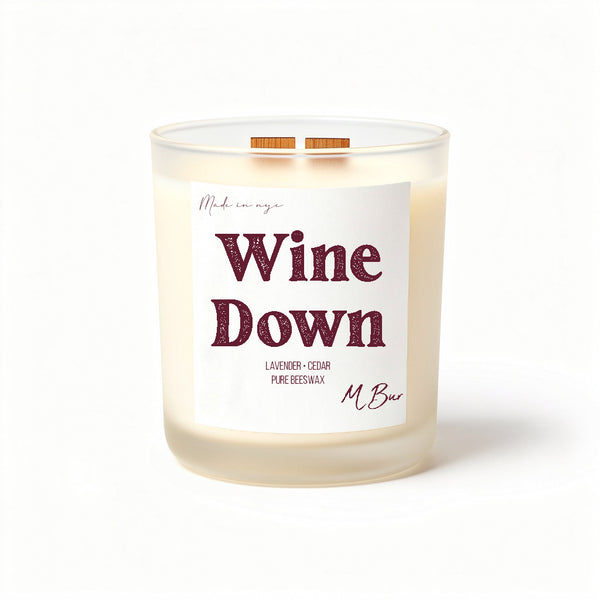
Nicole D., on Wine Down
If you deal with sensitivities, Wine Down is a gentle place to start, with lavender, chamomile, sage, rosemary, camphor, cedar, and sandalwood. Anyone with a diagnosed respiratory or medical condition should still follow their doctor's guidance, no matter what candle they choose.

How MBur Stacks Up Against Warmer Only Brands
Most warmer brands sell the appliance, not the candle. Options like the Innqoo Candle Warmer Lamp, the budget Banbanda adjustable lamp, or the design forward Cozyberry Querencia all do a fine job melting wax with timers and dimmers. But a warmer is just a heater. It cannot fix a cheap candle poured with paraffin and toxic fragrance.
That is the case for pairing whatever heat method you prefer with a candle worth heating. MBur candles are 100 percent beeswax, use wooden wicks, contain no chemical dyes, and are handmade in New York City. They perform beautifully lit or warmed.
The Verdict: Which Should You Pick?
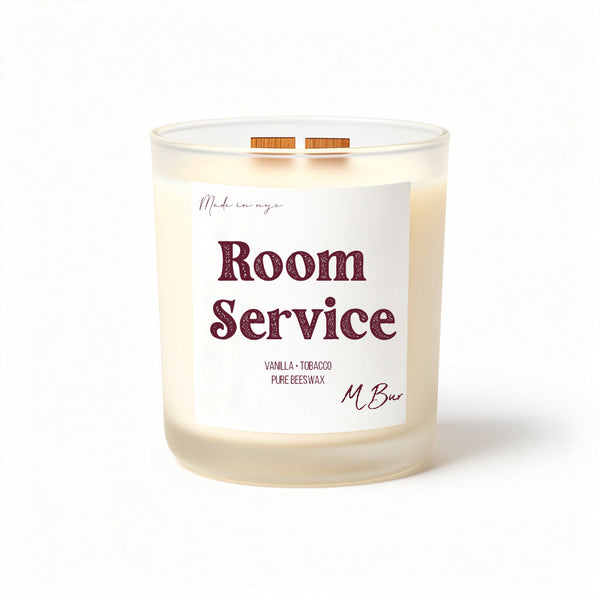
Light the candle if you love the wooden wick crackle, want the flame's glow, need a fast strong scent for guests, or simply enjoy the ritual. Our bestseller Room Service was practically built for this, with its saffron, white tea, and vanilla lobby lush profile that fills a room the moment it catches.
Use a warmer if you burn constantly, want to stretch an expensive candle 30 to 50 percent further, live with kids or pets where open flame is a no go, or want a quiet all day scent with zero soot.
Do both and you get the best of each: light it for the moment, warm it for the marathon. Never do them at the same time, though. Combining a flame with a heated plate destabilizes the jar and creates a serious hazard.
Frequently Asked Questions
Are candle warmers safer than lighting candles?
Yes. Warmers remove the open flame and burning wick, which sharply reduces fire risk and eliminates soot. Just remember the wax still matters, so pair your warmer with a clean, single ingredient candle from our beeswax collection.
Do candles really last longer with a warmer?
They do. Because a warmer only melts the top layer instead of burning wax as fuel, the wax evaporates much slower, typically extending lifespan 30 to 50 percent. Beeswax already lasts the longest of any wax, so an 80 hour Room Service candle stretches even further under gentle heat.
Which smells stronger, a warmer or a lit candle?
A lit candle usually wins on immediate strength because the flame's high heat vaporizes the oils fast. A warmer builds slower but stays remarkably steady over hours, which many people prefer for daily background scent.
Can you reuse the wax after the scent fades on a warmer?
Yes. Once the fragrance evaporates from the melted top layer, let it harden, then pop out or pour off that spent layer to expose fresh, scented wax underneath. This is the easy fix for the classic "scentless top wax" complaint.
Do candle warmers release any chemicals?
They avoid combustion smoke, but heating scented wax can still release volatile organic compounds, especially with paraffin and toxic fragrance oils. A pure beeswax candle with phthalate free fragrance, like every candle in our collection, keeps that risk low whether warmed or burned.
Bottom Line
The flame gives you ritual and instant scent. The warmer gives you longevity and flameless peace of mind. But both come down to the same thing: the candle you put under the heat has to be worth heating. Start with a clean, long burning beeswax candle and you win either way.
Our candles average glowing reviews across dozens of customers who keep coming back, whether they light them or warm them. Ready to pick your first one? Browse our full beeswax candle collection and find the scent you will not want to run out of.
Related reading

