

Big-Box Candles vs Small-Batch Candles: A Quality Breakdown
Big-Box Candles vs Small-Batch Candles: A Quality Breakdown
The candle you grab in a Target or HomeGoods aisle and the candle you buy from a small independent maker can look surprisingly similar at a glance: jar of wax, wick, label. The differences show up in what is inside and how the candle burns. This is a quality breakdown of how big-box and small-batch candles actually differ, where each tier wins, and what the price gap is buying.
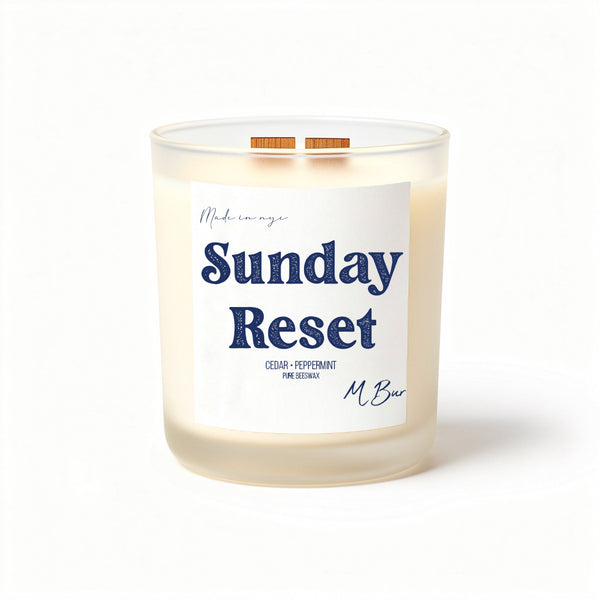
Browse the full MBur beeswax candle collection to see small-batch candles in practice.
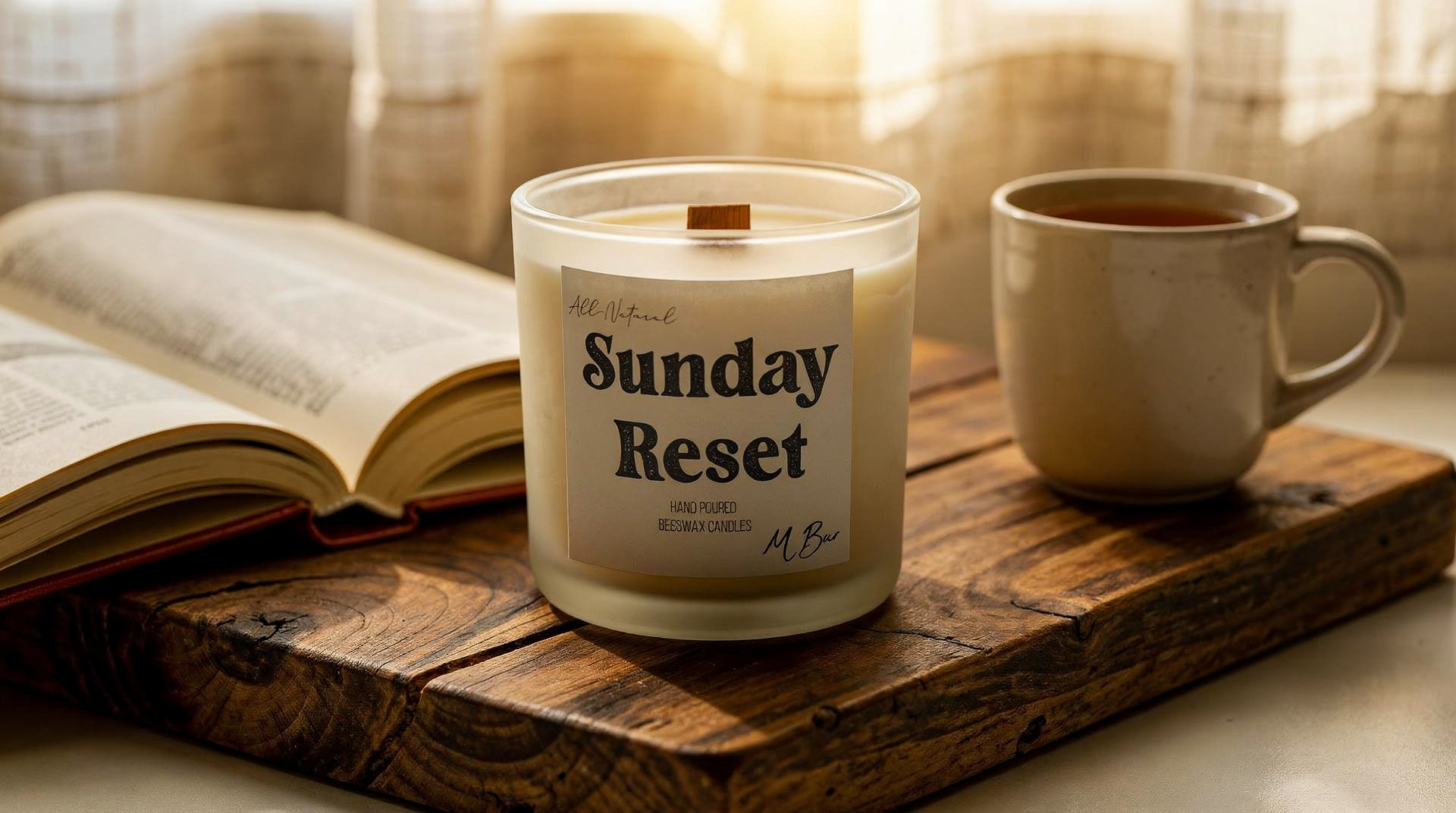
The Quick Answer
Small-batch candles typically win on wax quality, fragrance cleanliness, wick design, and ingredient transparency. Big-box candles win on price and availability. The bigger pattern is that big-box economics push toward paraffin wax, toxic fragrance, and cheaper wicks because those are the lowest-cost inputs at scale. Small-batch makers can afford to use cleaner ingredients because the volume is lower and the brand identity often depends on it.
Wax Quality
Big-box candles are usually paraffin or paraffin-soy blends. Paraffin is the cheapest wax (a petroleum byproduct) and works at industrial scale. Small-batch candles are more often 100% beeswax, 100% soy, or 100% coconut, which cost more as raw materials but burn cleaner and longer. This single difference accounts for most of the gap in soot, indoor air quality, and burn time between the two tiers.
Fragrance
Big-box candles typically use undisclosed fragrance blends that often contain phthalates, which boost throw and are cheap. Small-batch candles tend to use phthalate-free non-toxic fragrance oils or pure essential oils, and they are more likely to state this clearly. The fragrance type is the second-biggest difference between the tiers, and it is the one most associated with candle-related headaches.
Wick Design
Big-box candles use whatever wick is cheapest and runs reliably at scale, often thin cotton or, in older products, metal core wicks. Small-batch candles are more likely to use quality cotton or wooden wicks, sized to the jar for an even melt pool. The wick affects burn behavior more than most buyers realize, and small-batch attention shows here.
Ingredient Transparency
Big-box candles often list "fragrance," "natural wax," or similar vague terms that do not specify what is actually in the candle. Small-batch makers are more likely to state ingredient percentages, source information, and certifications clearly. When you cannot find a clear ingredient breakdown, the candle is usually a blend with something the brand prefers not to highlight.
Price and Value
Big-box candles win on upfront price. A $10 or $15 paraffin jar is hard to match. Small-batch candles cost more upfront but often deliver competitive cost per hour because beeswax burns longer, plus the air quality and headache differences. The honest comparison is total cost over time, not sticker price.
Comparison Table
| Factor | Big-Box | Small-Batch |
|---|---|---|
| Typical wax | Paraffin or paraffin blend | 100% beeswax, soy, or coconut |
| Typical fragrance | Toxic, often phthalate-based | Phthalate-free or essential oil |
| Typical wick | Thin cotton, sometimes metal core | Wooden or quality cotton |
| Ingredient transparency | Vague labels | Often disclosed clearly |
| Burn time per oz | Shorter | Longer (especially beeswax) |
| Soot | Higher | Lower |
| Price upfront | Lower | Higher |
| Cost per hour | Can be higher in practice | Often competitive |
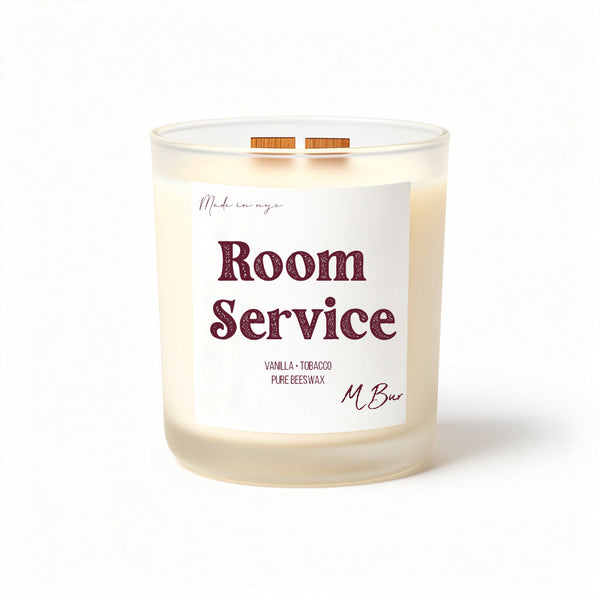
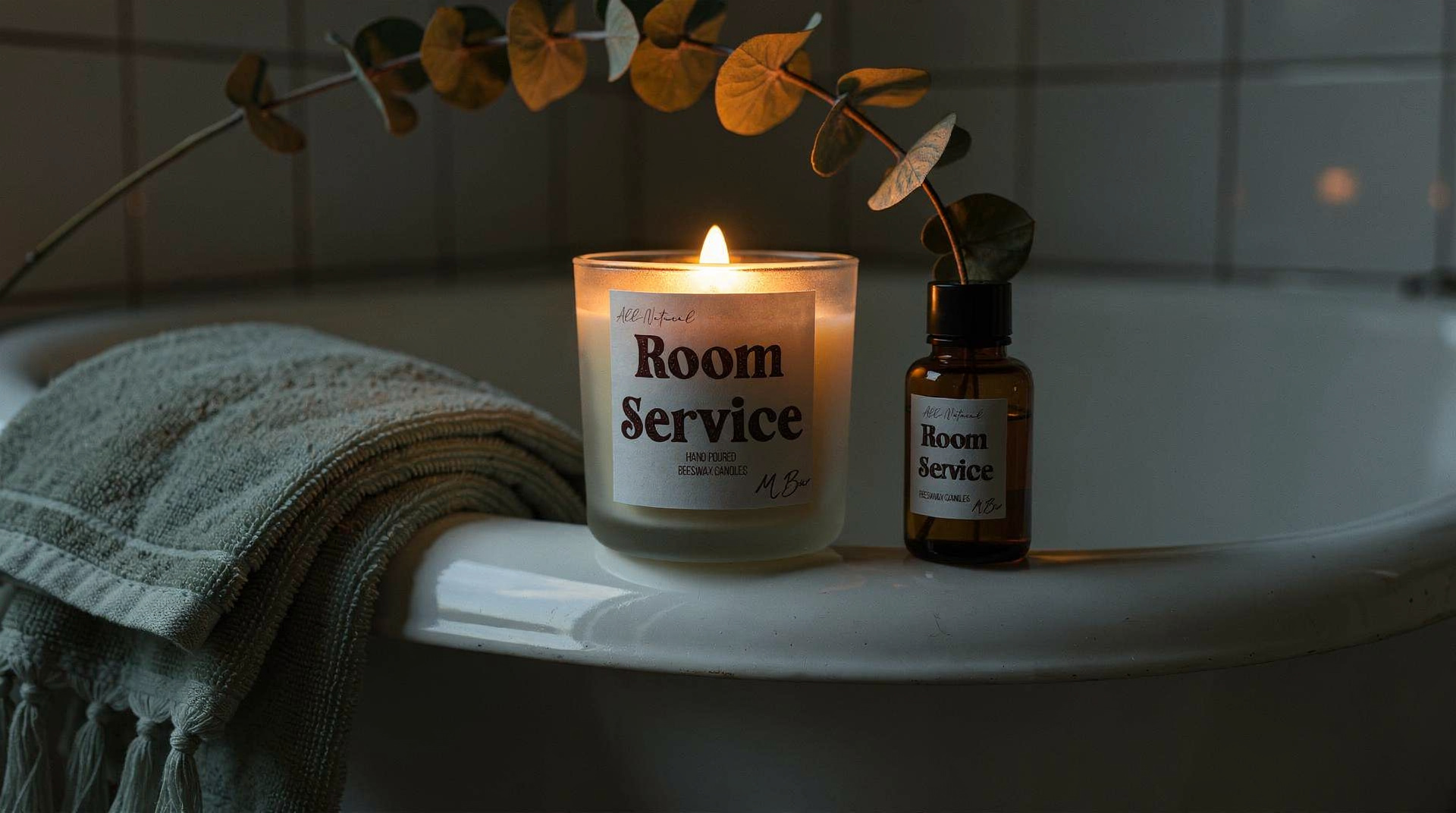
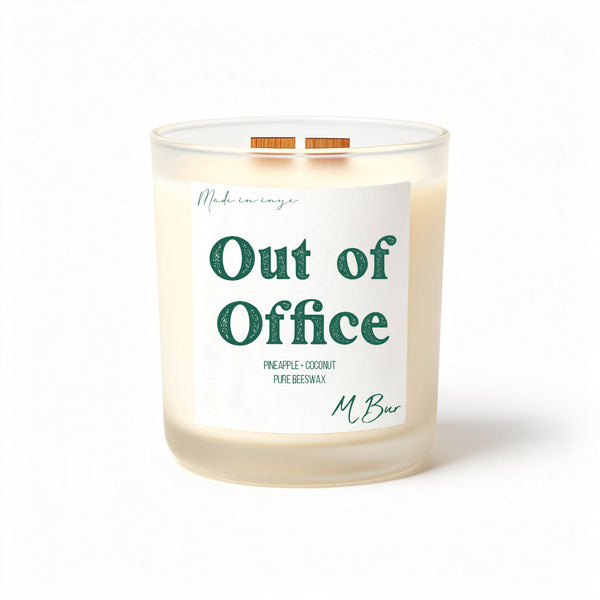
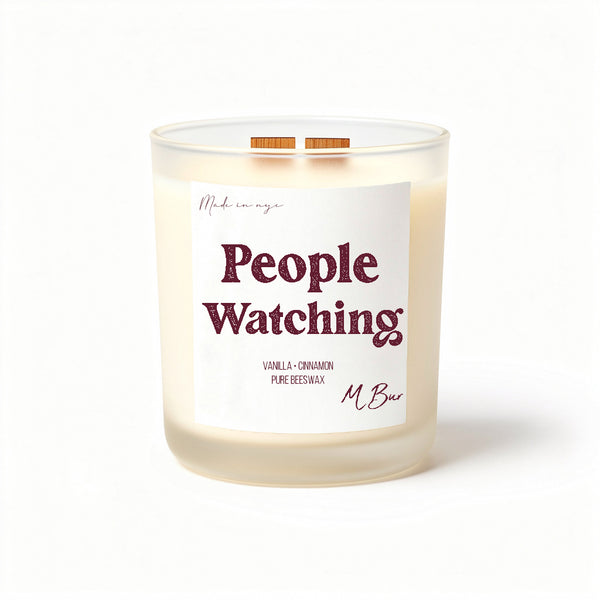
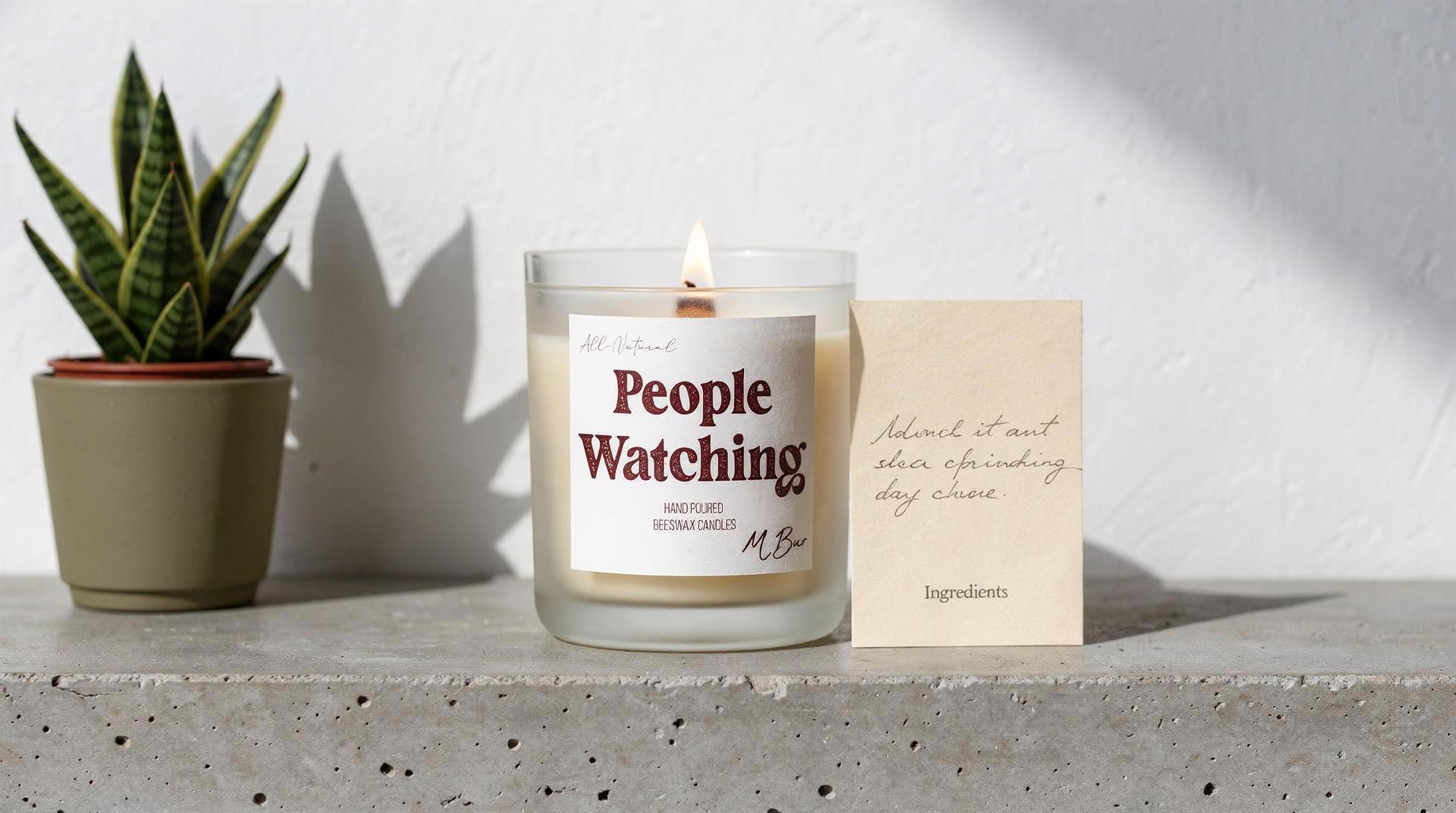
MBur is a small-batch maker hand-pouring 100% beeswax candles with phthalate-free non-toxic fragrance and wooden wicks in Far Rockaway, Queens, NY. The Room Service candle is a good example of what small-batch attention looks like in a finished candle.
Frequently Asked Questions
Are small-batch candles always better than big-box candles?
Not always, but the pattern is real. Small-batch makers tend to use cleaner ingredients because their brand depends on it. Big-box candles can be clean if the brand uses good ingredients, but the economics push toward paraffin and toxic fragrance at scale. Verify the ingredients regardless of the tier.
Why are big-box candles so much cheaper?
Paraffin is the cheapest wax, toxic fragrance is the cheapest fragrance, and cheaper wicks cost less. Industrial scale also lowers per-unit costs. Those economics make a $10 to $15 paraffin candle possible. Small-batch candles cannot match that price because their inputs cost more.
How can I tell if a candle is genuinely small-batch?
Look for specific information: where it is made, who makes it, what is in it. Small-batch makers usually state the city, the wax percentage, and the wick type clearly. Big-box brands using "hand-poured" or "small-batch" as marketing language often skip the specifics.
Is it worth paying more for small-batch?
For most clean-conscious buyers, yes. The premium buys cleaner wax, cleaner fragrance, longer burn, and (often) brand transparency. For occasional decoration or short-term use, a clean big-box option (look for 100% soy with phthalate-free fragrance) can work too.
The Bottom Line
Small-batch candles tend to use cleaner wax, cleaner fragrance, and better wicks because the economics support it. Big-box candles win on upfront price and availability, but the pattern is toward paraffin and toxic fragrance at scale. The honest comparison is total cost over time plus indoor air quality, not sticker price. Read the label either way.
Shop the full collection of clean-burning beeswax candles
What buyers say:
Related reading:

