

Best Candles for Rosacea and Reactive Skin Flares: Clean, Hypoallergenic Solutions
Reactive skin and rosacea flare ups often come from invisible environmental triggers. You might track your skincare ingredients down to the exact peptide, yet still experience sudden flushing or irritation at home. Airborne compounds are frequent culprits. When you burn a standard scented candle, you release microscopic particles and volatile organic compounds directly into your breathing space. These airborne irritants interact with the nerves and blood vessels controlling facial flushing. Finding the best candles for rosacea and reactive skin flares requires looking past the aesthetic and examining the exact chemical composition of the wax and fragrance. We will break down exactly which ingredients trigger sensitivity and how to choose hypoallergenic candles that keep your space smelling incredible without compromising your skin barrier. You can start by exploring our full beeswax candle collection to see what a truly clean burn looks like.
The Wax Base Dictates Your Air Quality
The wax base dictates the baseline toxicity of your candle. Most commercial candles rely on paraffin wax. Paraffin is a petroleum byproduct. When burned, it releases volatile organic compounds like benzene and toluene into the air. These compounds create black soot that settles on your walls and introduces respiratory irritants into your home. For someone managing reactive skin, breathing in petroleum exhaust is a direct path to inflammation.
Soy wax entered the market as a cleaner alternative. The reality of commercial soy candles is often disappointing. Many brands blend soy with paraffin to cut costs while maintaining a natural label. Even pure soy wax requires heavy chemical processing to extract the oil from the beans. Soy candles also frequently rely on toxic fragrance oils to mask the natural bean smell, reintroducing the exact irritants you are trying to avoid.
Beeswax operates in a completely different category. It is a naturally occurring substance produced by honeybees. It requires zero chemical processing to become candle wax. Beeswax has the highest melting point of any candle wax, which translates to a significantly longer and cleaner burn. It produces virtually no soot and releases negative ions when burned. Some studies suggest these negative ions help bind to airborne pollutants and dust, effectively clearing the air rather than polluting it.
| Wax Type | Source | Soot Production | Air Quality Impact |
|---|---|---|---|
| Paraffin | Petroleum byproduct | High black soot | Releases VOCs and toxins |
| Soy | Processed soybeans | Moderate soot | Often blended with paraffin |
| Beeswax | Natural bee byproduct | Virtually zero | Releases negative ions |
Identifying the Real Risk Factors
The wax is only half the equation. The fragrance and wick materials introduce the most aggressive triggers for sensitive skin and rosacea.
Toxic fragrance is the primary offender. The word fragrance on a candle label acts as a blanket term for hundreds of undisclosed chemicals, including phthalates and parabens. These chemical compounds easily become airborne and settle on your skin or enter your respiratory system. The National Rosacea Society notes that fragrance is a top trigger for irritation. Airborne scents cause flare ups by affecting the nerves and blood vessels that control flushing.

Essential oils present a hidden danger. Many people assume natural means safe. Highly concentrated plant compounds like eucalyptus and citrus oils are frequent irritants for rosacea prone skin. A candle heavily loaded with essential oils can easily trigger a reaction.
Wick materials and dyes add unnecessary chemical exposure. Metal core wicks contain zinc or tin, which vaporize when heated. Chemical dyes used to color the wax release additional volatile compounds when they melt. A truly non toxic candle relies on unbleached cotton, hemp, or wooden wicks and leaves the wax in its natural state.
What Happens When You Switch to Clean Ingredients
People with sensitive systems notice the difference immediately when they switch to clean ingredients.
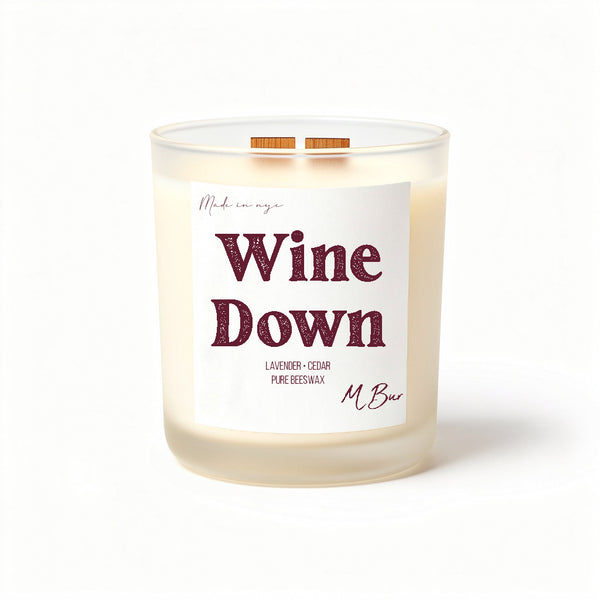
"Absolutely loved the Wine Down candle! The scent is so light and clean, which is exactly what I look for. A lot of other candles tend to give me headaches, but this one was a total game changer. I was able to enjoy the calming aroma without any discomfort."
Our Wine Down pure beeswax candle uses phthalate free fragrance oils specifically formulated to provide a luxurious scent profile without the harsh chemical edge that triggers headaches and skin flushing.
Your Checklist for a Hypoallergenic Candle
Finding hypoallergenic candles requires a strict filtering process. You need a product that eliminates every known airborne irritant while still delivering a beautiful sensory experience.
Here is the checklist for a truly clean candle.
First, the wax must be a single ingredient. Blends hide cheap fillers. Pure beeswax is the gold standard for a non toxic burn.
Second, the fragrance must be explicitly phthalate free and paraben free. Non toxic fragrance oils provide the scent without the endocrine disruptors and respiratory irritants found in toxic fragrance blends.
Third, the wick must be natural. Wooden wicks or unbleached cotton ensure no heavy metals enter your air.
Fourth, the wax must be free of chemical dyes.

MBur candles meet every single requirement on this list. We use one hundred percent pure beeswax sourced as a byproduct of honey production. Our wooden wicks provide an even burn and a subtle crackling sound without any metal cores. We use only non toxic, phthalate free fragrance oils and zero chemical dyes. Everything is handmade in small batches in Queens, New York, giving us total control over the ingredient quality. Our entry point is the 20 hour size at $20, making it highly accessible to test how your environment responds to cleaner ingredients. When you need the best candles for rosacea and reactive skin flares, a single ingredient wax base paired with clean fragrance is the only reliable path forward.
Practical Tips for Maintaining Clean Air
Even the cleanest candle requires proper maintenance to keep your indoor air quality optimal.
Always trim your wooden wick to about one eighth of an inch before every lighting. A longer wick creates a larger flame, which produces excess smoke and incomplete combustion.
Maintain good ventilation in the room. You want the scent to disperse gently rather than concentrating heavily in one corner. Keep the candle away from direct drafts, which cause the flame to flicker and release soot.
Limit your burn time to three or four hours at a session. Blowing out the candle and letting the wax solidify prevents the fragrance oils from overheating and degrading into harsher compounds.
Extinguish the flame using a candle snuffer rather than blowing it out. Blowing creates a plume of smoke and sends microscopic wax particles into the air.
If you have a diagnosed skin condition like rosacea, always follow your dermatologist guidance regarding environmental triggers and skincare routines.
Frequently Asked Questions
Can fragrance from candles trigger rosacea flare ups?
Yes. Airborne fragrance compounds interact with the nerves and blood vessels that control facial flushing. Choosing candles with non toxic, phthalate free fragrance significantly reduces the presence of these airborne irritants. You can explore our full beeswax candle collection to find clean burning options.
Are essential oil candles safe for sensitive skin?
Essential oils are highly concentrated plant compounds. Ingredients like eucalyptus and citrus are known triggers for reactive skin. Candles using carefully formulated non toxic fragrance oils often provide a safer, more consistent experience for sensitive individuals.
What is the safest wax for people with allergies?
Pure beeswax is widely considered the safest option. It requires no chemical processing, produces virtually zero soot, and burns cleaner than paraffin or heavily processed soy blends.
Should I avoid scented candles entirely if I have rosacea?
You can absolutely still enjoy scent. The key is avoiding toxic fragrance and paraffin wax. A pure beeswax candle with clean, phthalate free fragrance offers a beautiful sensory experience with far fewer airborne irritants.

The Final Word on Clean Burning
Managing reactive skin means controlling your environment down to the air you breathe. Switching to pure beeswax and non toxic fragrance removes a major category of hidden triggers from your home.
We recommend starting with a clean, single ingredient wax to see how your skin responds. Browse our full beeswax candle collection to find your new favorite scent.
Join thousands of customers who have upgraded their home fragrance. Our candles hold an aggregate rating of nearly five stars across hundreds of reviews.
Upgrade your space with a cleaner burn today.
Related reading

