

Best Candles for POTS and Dysautonomia: A Clean Burning Guide
The headaches and dizziness you experience from scented candles likely stem from the wax composition rather than your personal sensitivity to the aroma. When you manage Postural Orthostatic Tachycardia Syndrome or another form of dysautonomia, your autonomic nervous system is already working overtime. Adding volatile organic compounds to your indoor air forces your body to process chemical irritants on top of managing your baseline symptoms.
We will break down exactly what hides in standard candles, why those ingredients trigger brain fog and nausea, and how to find clean burning candles that actually work for your space. You can start by exploring our full beeswax candle collection for options that skip the chemical irritants entirely.
Why Standard Candles Trigger Dysautonomia Symptoms
Dysautonomia affects the autonomic nervous system, which controls automatic bodily functions like heart rate and blood pressure. According to the Cleveland Clinic, this dysfunction often leads to lightheadedness and brain fog. Your body is essentially running a marathon just to keep you upright and focused.
Introducing indoor air pollutants makes that marathon significantly harder. Research published in the National Institutes of Health database shows that nearly a quarter of scented candle users experience adverse respiratory and neurological symptoms. Standard candles release volatile organic compounds like toluene and benzene. These are known irritants that force your respiratory system to work harder, which can quickly cascade into a full symptom flare for someone with an already sensitized nervous system.

Breaking Down the Wax
The wax base determines the baseline toxicity of your candle. Here is how the most common options compare when it comes to indoor air quality.
| Wax Type | Source Material | Emissions Profile | Burn Quality |
|---|---|---|---|
| Paraffin | Petroleum byproduct | High volatile organic compounds | Fast and sooty |
| Soy | Vegetable oil | Moderate when blended with paraffin | Moderate |
| Beeswax | Natural hive byproduct | Minimal to none | Slow and clean |
Paraffin wax is a petroleum byproduct. When it melts and burns, it releases soot and volatile organic compounds directly into your breathing space.
Soy wax sounds like a better alternative, but it is frequently blended with paraffin to lower manufacturing costs. Even pure soy candles often rely on toxic fragrance oils to create their scent profiles.
Beeswax is naturally occurring and requires zero chemical processing. It has the highest melting point of any candle wax, meaning it burns much slower and cleaner.
The Hidden Irritants in Your Fragrance
Air quality involves more than just the wax. The fragrance oil itself is often the primary culprit for neurological triggers.
Many commercial candles use toxic fragrances containing phthalates and parabens. These chemicals act as endocrine disruptors and respiratory irritants. When you inhale them, your body registers them as foreign invaders.
Metal core wicks and chemical dyes add unnecessary heavy metals and particulates to your air. People managing dysautonomia need fewer environmental irritants to process. A clean candle keeps the sensory experience you love and drops the compounds your body reacts to.
The Clean Burning Solution
Finding the best candles for POTS and dysautonomia means looking for a strict ingredient list. You want single ingredient wax, wooden or cotton wicks, and non toxic fragrance.
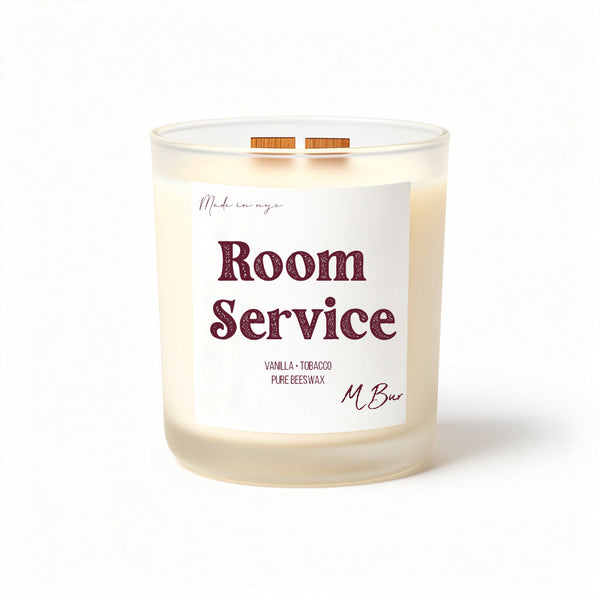
MBur candles are handmade in Queens, New York, using pure beeswax and wooden wicks. We use only non toxic fragrance oils, ensuring you get a rich scent without the chemical hangover.
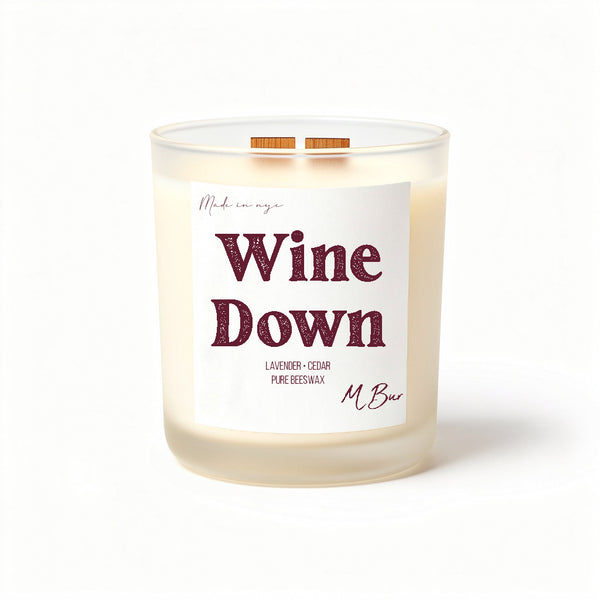
If you are looking for a calming evening ritual to help your nervous system down regulate, the Wine Down candle is a perfect fit. It delivers a clean, spa like aroma that fills the room without overwhelming your senses.
"A lot of other candles tend to give me headaches, but this one was a total game changer. I was able to enjoy the calming aroma without any discomfort. It made my space feel cozy and refreshed at the same time."
Nicole D., Verified Customer

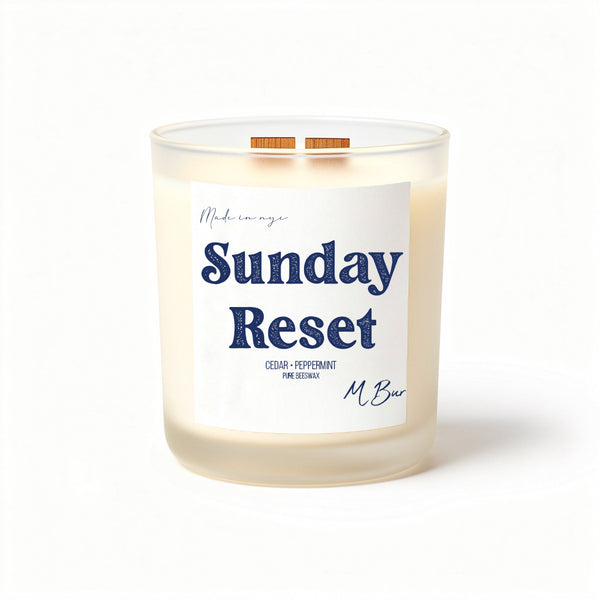
For a morning routine that helps clear the brain fog, the Sunday Reset candle offers a crisp, invigorating profile. It creates the illusion of a freshly cleaned space, giving you a bright sensory cue to start your day. You can browse these and other clean options in our complete beeswax collection.
Practical Tips for Burning with Dysautonomia
Even the cleanest candle requires proper usage to keep your air quality high. Follow these steps to minimize any potential triggers.
Keep your burn times short. Limit your candle to one or two hours at a time. This prevents the room from becoming saturated with any particulate matter.
Prioritize ventilation. Always burn your candle in a room with good airflow. Crack a window or keep a door open to let fresh air circulate.
Trim your wick before every single burn. Wooden wicks should be trimmed to about an eighth of an inch. This ensures an even flame and prevents excess smoke.
Stop using the candle if you notice a flare. Your body knows what it can handle on any given day. Listen to your symptoms and adjust your environment accordingly. Always follow the guidance of your primary doctor when managing a chronic condition.
Frequently Asked Questions
Can scented candles trigger POTS symptoms?
Standard scented candles release volatile organic compounds and soot that can irritate the respiratory system. For someone with a sensitized autonomic nervous system, processing these chemical irritants can trigger dizziness, brain fog, or nausea. Switching to a clean burning candle with non toxic fragrance significantly reduces this risk.
What type of candle wax is safest for dysautonomia?
Pure beeswax is the safest option. It is a natural material that requires no chemical processing and produces minimal emissions when burned. You can explore our pure beeswax options in the MBur candle collection.
How long can someone with POTS safely burn a candle?
We recommend limiting your burn time to one or two hours. Keeping the burn window short prevents the air from becoming overly saturated with scent particles. Always ensure the room is well ventilated during and after the burn.

Final Thoughts
Managing dysautonomia means paying close attention to your environment. You deserve to enjoy a beautifully scented home without paying for it with a symptom flare. Pure beeswax and non toxic fragrance oils give you the sensory experience you want while keeping your indoor air clean.
Ready to upgrade your space? Explore the full MBur beeswax candle collection and find your new favorite clean burning scent today.
Join thousands of happy customers who have made the switch. MBur candles hold an aggregate 5 star rating across our community for delivering rich scent without the headaches.
Related reading
- Do Scented Candles Make Your Head Spin? Understanding the Potential Headache Triggers
- What Makes a Candle Non Toxic? How to Spot the Real Thing
- Discover the Benefits of Non Toxic Candle Fragrance Oils: Enhancing Your Space without Harmful Chemicals
- Why Paraffin Free Candles Are a Must Have for a Healthier Home

