

Best Candles for Long COVID and Post Viral Scent Sensitivity
Post viral scent sensitivity turns everyday smells into overwhelming triggers. You might find that your favorite perfumes suddenly smell like burning rubber, or a formerly pleasant room spray now brings on an instant headache. This condition, common in Long COVID recovery, makes navigating fragranced products incredibly difficult.
Many people assume they need to give up scented home products entirely. The right clean burning candles actually allow you to enjoy your space without triggering olfactory distress. We will break down the science behind post viral smell distortion and show you exactly which ingredients to avoid. You can browse our full beeswax candle collection to see hypoallergenic candles designed for sensitive noses.

The Science of Post Viral Scent Sensitivity
Viral infections can cause direct injury to the support cells in your nasal cavity. This damage leads to inflammation that disrupts the olfactory epithelium. Research published in PubMed Central shows that olfactory dysfunction affects a significant percentage of post viral patients.
This damage manifests in two primary ways. Parosmia causes familiar smells to register as foul or distorted odors. Phantosmia makes you perceive smells that are not actually present in the room.
The University of Utah Health notes that these distortions often involve unpleasant malodours. A scent that used to smell like vanilla might suddenly register as chemical smoke or rotting fruit. Your nervous system is essentially misfiring, sending distorted signals to your brain.
When your olfactory system is in this heightened, inflamed state, it becomes hyper reactive to airborne irritants. Introducing harsh chemicals into your environment forces your compromised sensory system to work overtime, often resulting in headaches, nausea, or respiratory discomfort.
Why Most Commercial Candles Make It Worse
The candles sitting on most retail shelves contain a cocktail of airborne irritants. These ingredients easily overwhelm a sensitized nervous system.
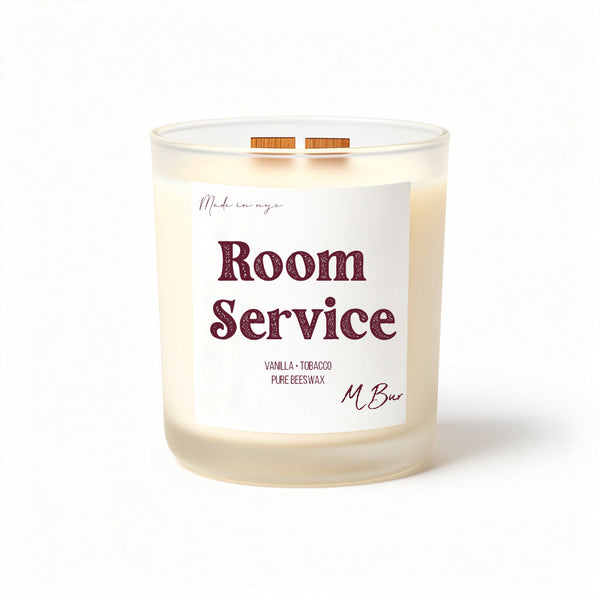
Paraffin wax is a petroleum byproduct. When burned, it releases volatile organic compounds like benzene and toluene into your air. These emissions create black soot and introduce unnecessary toxins into your breathing space.
Toxic fragrance is another major culprit. The word fragrance on a label often acts as an umbrella term for hundreds of undisclosed chemicals. Many of these formulations rely on phthalates and parabens to make the scent linger. These chemical compounds are known respiratory irritants.
Metal core wicks and chemical dyes add even more particulate matter to the air.
Here is a quick breakdown of how different candle waxes impact indoor air quality.
| Wax Type | Source | Burn Quality | Irritant Risk |
|---|---|---|---|
| Paraffin | Petroleum byproduct | Releases VOCs and black soot | High |
| Soy Blend | Soybean and paraffin mix | Cleaner than pure paraffin | Moderate to High |
| Coconut Blend | Coconut and other waxes | Low soot | Moderate |
| 100% Beeswax | Natural hive byproduct | Cleanest burn, purifies air | Very Low |
The Clean Burning Solution
Finding the best candles for Long COVID and post viral scent sensitivity requires strict ingredient scrutiny. You need a candle that eliminates airborne irritants while providing a gentle, non toxic fragrance.
Pure beeswax is the gold standard for sensitive individuals. It is a naturally occurring substance that requires no chemical processing. Beeswax actually binds to airborne allergens and dust, helping to clean the air as it burns. It also has the highest melting point of any candle wax, giving you a significantly longer burn time.
Wooden wicks are another crucial component. They burn evenly and produce a soothing crackle without the metallic emissions found in traditional wicks.
MBur Candle Co. formulates every candle with pure beeswax, wooden wicks, and non toxic fragrance. We leave out the chemical dyes and phthalates entirely.

Our Retail Therapy candle is a fantastic option for those transitioning away from harsh commercial brands. Jason H. shared his experience after making the switch.
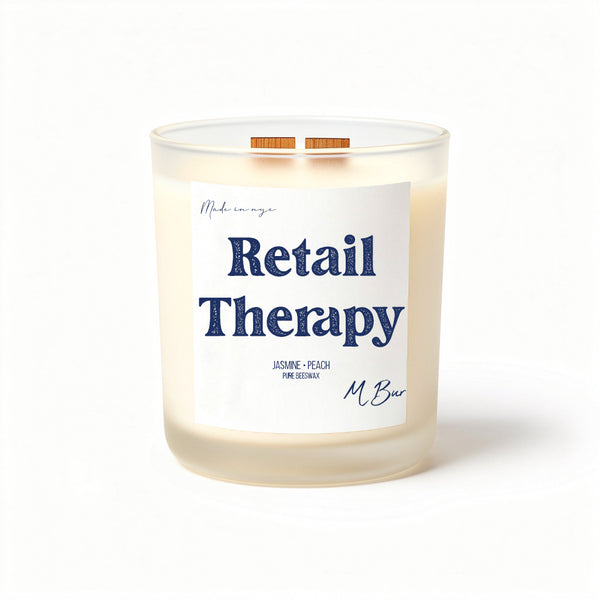
"I instantly notice the difference in the air quality, in comparison to the Bath & Body scented candles. I love Bath & Body's candles but I acknowledge that it caused a slight headache and other minor respiratory discomfort. Awesome products. Totally addicted."
Practical Tips for Scent Sensitive Homes
Managing parosmia and scent sensitivity involves more than just buying the right wax. How you burn the candle matters just as much as what is inside it.
Always trim your wooden wick to about an eighth of an inch before every lighting. A shorter wick prevents the flame from getting too large and producing excess smoke.
Keep your room well ventilated. Cracking a window allows fresh air to circulate and prevents any scent from becoming overly concentrated in a small space.
Limit your burn time to two or three hours. This gives your olfactory system a break and prevents scent fatigue.
Gentle exposure to pleasant, clean scents can sometimes aid in olfactory retraining. Starting with soft, calming profiles helps your brain rebuild positive scent associations without triggering a negative response.
The Wine Down candle offers a very gentle, relaxing profile perfect for evening wind downs. Nicole D. found it to be a perfect fit for her sensitivities.
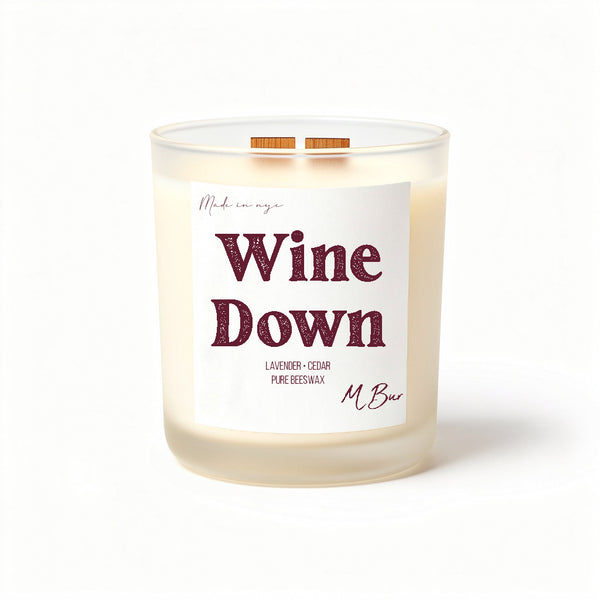
"Absolutely loved the Wine Down candle! The scent is so light and clean, not overpowering at all, which is exactly what I look for. A lot of other candles tend to give me headaches, but this one was a total game changer. I was able to enjoy the calming aroma without any discomfort."
Frequently Asked Questions
Do I need unscented candles if I have parosmia?
Unscented candles eliminate fragrance triggers, but they do not solve the wax issue. Many unscented candles still use paraffin wax, which releases volatile organic compounds. A pure beeswax candle with a very mild, non toxic fragrance often provides a better experience without the chemical irritants. You can explore our full beeswax candle collection to find gentle options.
What wax is safest for scent sensitive people?
Pure beeswax is the safest choice. It is naturally hypoallergenic and free from the chemical processing required for soy or paraffin waxes. Beeswax also burns cleaner and longer, keeping your indoor air quality high.
Can candles help with smell recovery?
Olfactory retraining involves gently exposing your nose to distinct, pleasant scents to help rebuild neural pathways. Using clean burning candles with non toxic fragrance provides a safe way to practice this. Always follow the guidance of your healthcare provider when treating post viral conditions.
Find Your Clean Burning Solution
Post viral scent sensitivity requires a careful approach to your home environment. Eliminating paraffin wax and toxic fragrance removes the most common airborne irritants, allowing you to enjoy your space comfortably. Pure beeswax candles offer the cleanest burn and the gentlest scent profile for recovering olfactory systems.
Browse our full beeswax candle collection to find clean, hypoallergenic candles made in small batches in Queens, New York. Our candles hold a 4.9 star average across hundreds of reviews from customers who finally found a candle that does not trigger their headaches.
Find your new favorite clean burning candle today.

Related reading

