
Best Candles for Chemical Sensitivity (MCS): What's Actually Safe to Burn
Roughly 13% of Americans report some degree of chemical sensitivity, according to research published in the Journal of Occupational and Environmental Medicine. For those people, a single paraffin candle loaded with toxic fragrance can trigger migraines, respiratory distress, brain fog, and worse. And yet most "clean candle" lists on the internet read like they were written by someone who has never actually dealt with MCS.
What customers say on Google
View on Google
We're a small batch beeswax candle company in Queens, NY. We pour every candle by hand using 100% beeswax, wooden wicks, and phthalate free fragrance. So we know exactly what goes into a truly low tox candle because we make them. But we also know we're not the only option on the market, and if you're managing chemical sensitivity, you deserve an honest comparison.
So here it is: the best candles for chemical sensitivity, ranked by ingredient transparency, wax purity, wick safety, and fragrance approach. We included our own products alongside other brands so you can make the call yourself.
What Makes a Candle Safe for Chemical Sensitivity?
Before we get into picks, let's get specific about what "MCS safe" actually means. Multiple Chemical Sensitivity isn't an allergy in the traditional sense. It's a heightened physiological response to low level chemical exposures that most people wouldn't notice. That means every single component of a candle matters.
The Four Things to Scrutinize
1. Wax type. Paraffin is a petroleum byproduct. When it burns, it releases volatile organic compounds (VOCs) including benzene, toluene, and formaldehyde. A 2009 study from South Carolina State University confirmed that paraffin candles produce these chemicals at levels that could be problematic in poorly ventilated rooms. For someone with MCS, paraffin is a hard no.
2. Wick material. Some wicks still contain zinc or lead cores (lead core wicks were banned in the US in 2003, but imported candles can be a wildcard). Cotton wicks are fine for most people. Wooden wicks burn at a lower temperature, produce minimal soot, and don't require the chemical treatments that some braided cotton wicks undergo.
3. Fragrance source. This is the big one. "Fragrance" on a label can hide hundreds of undisclosed chemicals, including phthalates, which are endocrine disruptors. For MCS, you want candles that use either no fragrance at all, essential oils, or phthalate free fragrance oils with full ingredient disclosure.
4. Dyes and additives. Chemical dyes can release additional VOCs when heated. The cleanest candles skip them entirely.
With those criteria locked in, here are our top picks for candles that people with chemical sensitivity can actually enjoy.
The 5 Best Candles for Chemical Sensitivity
1. MBur Candle Co. Wine Down (Best Overall for MCS)
Standout feature: 100% beeswax with a lavender, chamomile, and sage scent profile using phthalate free fragrance. No chemical dyes. Wooden wick for a low soot, even burn.
Best for: People with chemical sensitivity who still want a scented candle. The lavender and chamomile combination is naturally calming, and the phthalate free fragrance means you're not inhaling undisclosed chemicals while you try to relax.
Price: Starting at $20 for the 20 hour size, up to $65 for the 80 hour size.
Here's why Wine Down takes the top spot. Beeswax has the highest melting point of any candle wax, which means it burns slower and cooler. That translates to fewer airborne particles and a cleaner burn. The wooden wick eliminates the need for a metal core and burns with a soft crackling sound that, honestly, is half the reason people buy it.
And the scent throw? It fills a room without being aggressive about it.
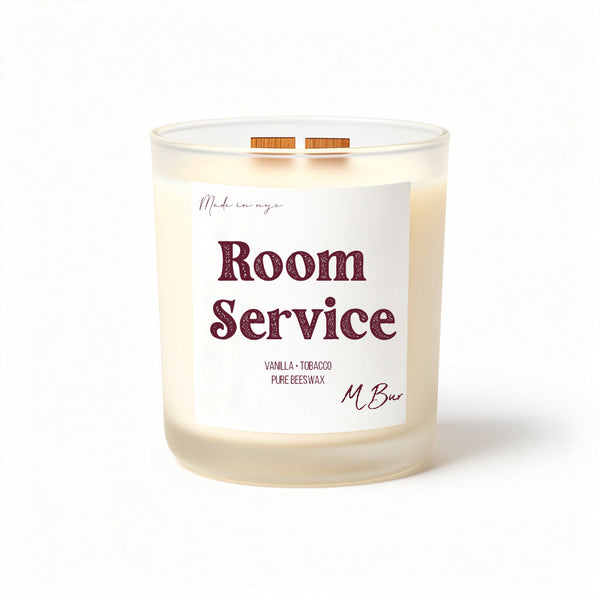
"Absolutely loved the Wine Down candle! The scent is so light and clean, not overpowering at all, which is exactly what I look for. A lot of other candles tend to give me headaches, but this one was a total game changer. I was able to enjoy the calming aroma without any discomfort." Nicole D.
That review tells you everything. For someone who gets headaches from candles (a classic MCS symptom), the fact that Wine Down passed the test is significant. You can check out the Wine Down beeswax candle in all four sizes.
2. Big Dipper Wax Works Pure Beeswax Pillar (Best Unscented Option)
Standout feature: 100% pure beeswax with no added fragrance. Hand dipped in Seattle, Washington since 1994. Cotton wick.
Best for: People with severe MCS who cannot tolerate any fragrance at all, even natural or phthalate free options. If your sensitivity is at the extreme end of the spectrum, unscented is the safest bet.
Big Dipper has been in the beeswax game for three decades, and their pillar candles are about as stripped down as you can get. Pure beeswax, cotton wick, nothing else. The natural honey scent of beeswax itself is present but subtle. No jars, no fragrance oils, no dyes.
The trade off? You don't get the scent experience of a fragranced candle, and cotton wicks can require more frequent trimming than wooden alternatives. But for severe chemical sensitivity, simplicity wins.
3. MBur Candle Co. Sunday Reset (Best for Daytime and Focus)
Standout feature: Peppermint, eucalyptus, clove, and cedar scent profile. 100% beeswax, wooden wick, phthalate free, no chemical dyes. Up to 80 hours of burn time.
Best for: People with chemical sensitivity who work from home and want a clean, energizing scent without the respiratory irritation that traditional "fresh" candles cause. Peppermint and eucalyptus are naturally invigorating without being chemically aggressive.
Price: Starting at $20 for the 20 hour size, up to $65 for the 80 hour size.
Most "fresh" or "clean" scented candles on the mass market achieve that effect with a cocktail of toxic fragrance chemicals. Sunday Reset does it with peppermint and eucalyptus. The cedar and patchouli base notes ground it so it doesn't veer into air freshener territory.
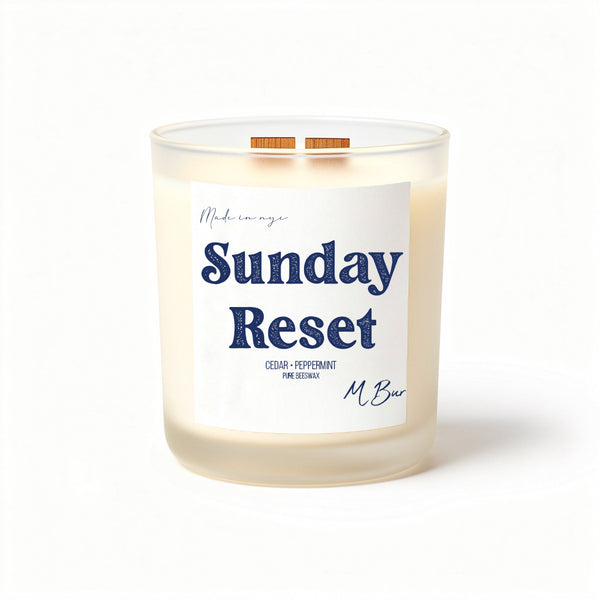
The 80 hour burn time on the largest size is worth noting. Because beeswax has the highest melting point of any natural wax, you get dramatically more burn time per ounce than soy or coconut wax. For someone managing chemical sensitivity, that also means less frequent candle shopping and fewer new products to vet. Grab the Sunday Reset beeswax candle if you want to see what we mean.
4. Fontana Candle Co. Pure Vanilla (Best Essential Oil Option)
Standout feature: Beeswax and coconut oil wax, untreated wooden wick, scented with essential oils only. MADE SAFE certified.
Best for: People with chemical sensitivity who prefer soy wax or want an essential oil only fragrance approach. Note that Fontana's candles are made with beeswax and coconut oil, so they are not an option for anyone avoiding bee products.
Soy is a solid second choice behind beeswax for chemical sensitivity. It burns cleaner than paraffin by a wide margin, and when you get a 100% soy candle (not a soy blend, which can contain up to 49% paraffin and still be called "soy"), the emission profile is quite clean.
Fontana uses essential oils exclusively for fragrance, which appeals to MCS sufferers who want to avoid all fragrance oils, even phthalate free ones. The downside is that essential oil candles tend to have a lighter scent throw, and the coconut oil blended with the beeswax softens the wax compared with pure beeswax.
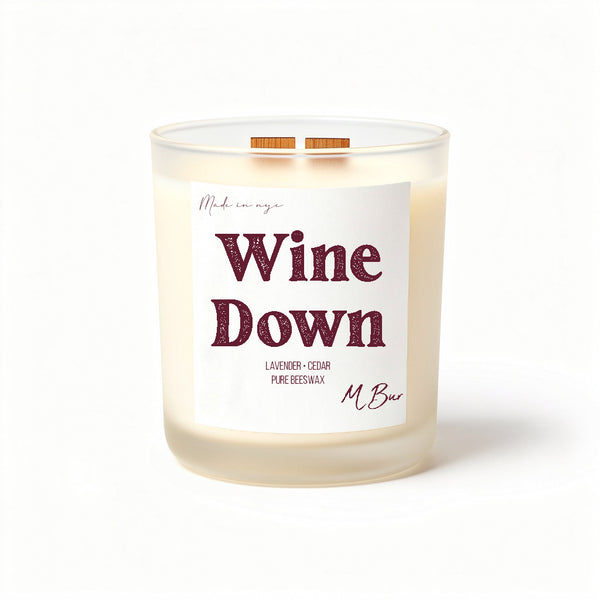
5. MBur Candle Co. Room Service (Best Luxe Scent Without the Toxic Load)
Standout feature: Our number one bestseller. Saffron, white tea, peony, and iris scent profile. 100% beeswax, wooden wick, phthalate free fragrance, no dyes. Complex, layered scent that proves you don't need toxic fragrance to smell expensive.
Best for: People with chemical sensitivity who miss having a rich, complex scented candle in their home. If you've given up luxury candles because they all gave you headaches, this one is worth trying.
Wine Down Candle
$65.00
Price: Starting at $20 for the 20 hour size, up to $65 for the 80 hour size.
Room Service exists to prove a point: that clean ingredients and sophisticated fragrance aren't mutually exclusive. The saffron and white tea opening gives way to peony and iris, with amber and sandalwood at the base. It smells like a high end hotel. And it's phthalate free, chemical dye free, and burns in 100% beeswax.
"I love these candles. No headache or feeling nauseous like the Bath & Body candles with all the extra chemicals. In addition, I love the package and how carefully everything was wrapped." Jason H.
Jason switched from Bath & Body Works specifically because of headaches and nausea. Classic chemical sensitivity symptoms. The fact that Room Service eliminated those symptoms for him isn't anecdotal fluff. It's what happens when you remove the toxic fragrance, the paraffin, and the chemical dyes from the equation.
Quick Comparison: Candles for Chemical Sensitivity
| Candle | Wax Type | Wick | Fragrance | Dyes | Price Range |
|---|---|---|---|---|---|
| MBur Wine Down | 100% Beeswax | Wooden | Phthalate free | None | $20 to $60 |
| Big Dipper Pillar | 100% Beeswax | Cotton | Unscented | None | $12 to $30 |
| MBur Sunday Reset | 100% Beeswax | Wooden | Phthalate free | None | $20 to $60 |
| Fontana Pure Vanilla | Beeswax & coconut oil | Wooden | Essential oils only | None | $24 to $34 |
| MBur Room Service | 100% Beeswax | Wooden | Phthalate free | None | $20 to $60 |
What About Coconut Wax and Soy Blends?
You'll see plenty of "clean candle" brands marketing coconut wax or coconut soy blends as the gold standard. And coconut wax is decent. It burns cleaner than paraffin and has good scent throw. But there are two problems for MCS sufferers.
First, coconut wax is almost always blended. Pure coconut wax is extremely soft and doesn't hold its shape well in a jar. So most coconut wax candles are actually coconut and soy blends, or coconut and paraffin blends. Unless the brand explicitly states the blend ratio, you're guessing.
Second, even "clean" soy blends can contain up to 49% paraffin and still legally be marketed as soy candles. There's no regulation requiring disclosure of blend percentages. For someone with MCS, that ambiguity is a dealbreaker.
Beeswax doesn't have this problem. It's a single ingredient wax. It doesn't need to be blended with anything to perform well. What you see is what you get.
Tips for Burning Candles with Chemical Sensitivity
Even with the cleanest candle on the market, how you burn it matters. Here are practical tips specifically for people managing MCS.
Ventilate. Crack a window or run a low speed fan. Even non toxic candles produce some particulate matter from combustion. Fresh air circulation keeps concentrations low.
Trim the wick. Trim wooden wicks to about 3/16 of an inch before each burn. Trim cotton wicks to 1/4 inch. A too long wick creates a larger flame, more soot, and more airborne particles.
Limit burn sessions. Two to three hours at a time is ideal. Longer sessions increase the buildup of any combustion byproducts in your space.
Start with a sample. If you've never tried a particular candle brand before, don't commit to the largest size. MBur offers a $5 candle sample in every scent specifically for this reason. Test it in a well ventilated room and see how your body responds before going full size.
Trust your body. If a candle triggers symptoms, even a "clean" one, stop burning it. Individual sensitivity varies, and no product is universally safe for every person with MCS.
Frequently Asked Questions
Are beeswax candles really better for chemical sensitivity than soy?
Yes, in most cases. Beeswax is a single ingredient, naturally occurring wax that requires no chemical processing. Soy wax is chemically extracted from soybeans using hexane (a petroleum solvent), then bleached and deodorized. Pure soy is still far better than paraffin, but beeswax has fewer processing chemicals in its supply chain. Some studies also suggest beeswax may emit negative ions when burned, which could help neutralize pollutants, though this research is still emerging. Browse our full lineup of 100% beeswax candles to see the options.
Can people with MCS use scented candles at all?
Many can, as long as the fragrance is phthalate free and the base wax is clean. The triggers for most MCS sufferers are specific chemicals (phthalates, benzene, toluene, formaldehyde), not scent molecules themselves. That said, sensitivity is individual. Start with a sample size and test in a ventilated space.
What's the difference between phthalate free fragrance and essential oils?
Essential oils are extracted directly from plants. Phthalate free fragrance oils are lab created but formulated without phthalates, parabens, or other known endocrine disruptors. Both can be appropriate for MCS. Essential oils tend to have lighter scent throw. Phthalate free fragrance oils offer more complex, longer lasting scent profiles without the toxic chemical load.
Do wooden wicks produce less soot than cotton wicks?
Generally, yes. Wooden wicks burn at a lower temperature and produce a wider, shorter flame that creates less soot than cotton wicks. They also don't require the chemical stiffeners or braiding treatments that some cotton wicks use. The trade off is that wooden wicks need to be trimmed with a wick trimmer or nail clipper rather than pinched.
Why do Bath and Body Works candles give me headaches but these don't?
Bath and Body Works candles use paraffin wax blends and conventional fragrance oils that can contain phthalates and other undisclosed chemicals. When burned, paraffin releases VOCs including benzene and toluene. The combination of petroleum wax fumes and toxic fragrance chemicals is a common headache trigger, especially for people with any degree of chemical sensitivity.
Our Verdict: The Best Candle for Chemical Sensitivity
If you can tolerate some fragrance, the Wine Down beeswax candle is our top pick. It checks every box: 100% beeswax (single ingredient, no blends), wooden wick (low soot, no chemical treatments), phthalate free fragrance (no hidden toxins), and zero chemical dyes. The lavender and chamomile profile is gentle enough for sensitive individuals while still delivering real scent throw.
If you need completely unscented, Big Dipper's pure beeswax pillars are a reliable choice.
But for the person who has been told they can never enjoy a scented candle again? That's exactly who we make candles for. Our customers regularly tell us they switched from mass market brands because of headaches and respiratory issues, and those symptoms disappeared with MBur.
"I absolutely love these candles! I instantly notice the difference in the air quality, in comparison to the Bath & Body scented candles. I love Bath & Body's candles but I acknowledge that it caused a slight headache and other minor respiratory discomfort. Awesome products. Totally addicted." Jason H.
Start with a $5 candle sample in any scent. Test it. Trust your body. And if it works for you, you'll know you've found your candle.
- What Makes a Candle Non Toxic? How to Spot the Real Thing
- Do Scented Candles Make Your Head Spin? Understanding the Potential Headache Triggers
- Why Paraffin Free Candles Are a Must Have for a Healthier Home
- What Are the Benefits of Beeswax?
What buyers say:

