

Best Candles for Bronchitis Sufferers: What Won't Irritate Your Airways
Breathing heavily after lighting a scented candle usually means the wax is releasing chemical irritants directly into your lungs. Managing chronic bronchitis or reactive airways makes finding a soothing candle feel impossible, since most commercial options pump volatile organic compounds into the room and turn a relaxing evening into a respiratory struggle. We will break down exactly which ingredients cause this reaction and show you how to find clean burning candles that keep your airways clear. You can skip straight to our full beeswax candle collection to see hypoallergenic options that actually work.
The Science of Wax and Your Lungs
The wax base determines the baseline toxicity of your candle. Paraffin wax is a petroleum byproduct. When it melts and burns, it releases toxins like benzene and toluene. These compounds are known respiratory irritants that can trigger inflammation in already sensitive bronchial tubes.
Soy wax sounds like a better alternative on paper. The reality is that most soy candles on the market are actually blended with paraffin to improve the scent throw. Even pure soy wax requires chemical processing and often relies on toxic fragrance oils to mask its natural bean smell.
Beeswax operates on a completely different level. It is a naturally occurring substance that requires zero chemical processing. Pure beeswax has the highest melting point of any candle wax, which translates to a much slower and cleaner burn. Some studies suggest burning beeswax releases negative ions that bind to dust and pollen, effectively pulling allergens out of the air.
| Wax Type | Source | Burn Quality | Respiratory Impact |
|---|---|---|---|
| Paraffin | Petroleum byproduct | High soot, releases VOCs | High irritation risk |
| Soy Blend | Soybean oil and paraffin | Moderate soot, chemical additives | Moderate irritation risk |
| 100% Beeswax | Natural honey byproduct | Zero soot, clean burn | Lowest irritation risk |

Hidden Respiratory Triggers Beyond the Wax
The wax is only half the problem. The ingredients mixed into the wax dictate the actual air quality in your room.
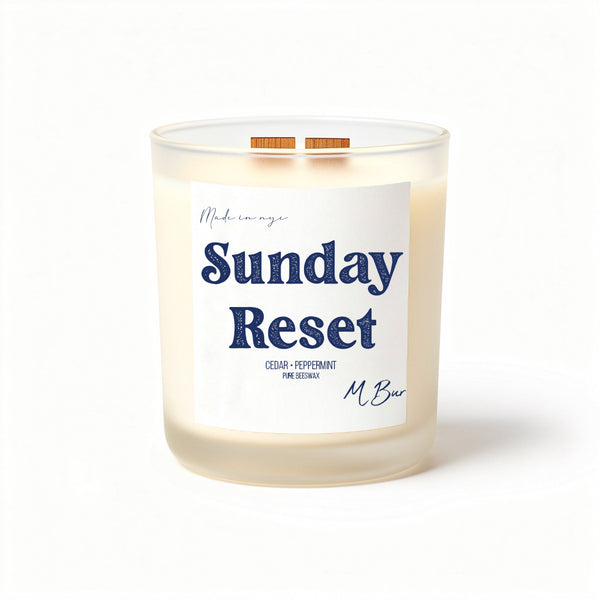
Toxic fragrance is the primary culprit for respiratory distress. The word fragrance on a label acts as a catch all for hundreds of undisclosed chemicals, including phthalates and parabens. When heated, these chemicals vaporize and enter your lungs, causing the exact coughing and shortness of breath you are trying to avoid. Nontoxic fragrance oils formulated without phthalates provide the sensory experience without the chemical payload.
Metal core wicks present another hidden danger. Wicks reinforced with zinc or tin release microscopic metal particulates into the air as they burn. Inhaling heavy metals is terrible for anyone, but it is exceptionally harsh on inflamed bronchial tissue. Wooden wicks or uncoated cotton wicks eliminate this risk entirely while providing a stable, even flame.
Chemical dyes added to make candles look pretty also increase soot production. Azo compounds and petroleum based dyes release additional volatile organic compounds when burned. A natural, undyed wax is always the safer choice for sensitive lungs.
Real Relief for Reactive Airways
People with reactive airways notice the difference immediately when they switch to cleaner ingredients. One of our customers summed up the experience perfectly after switching from mass market brands.
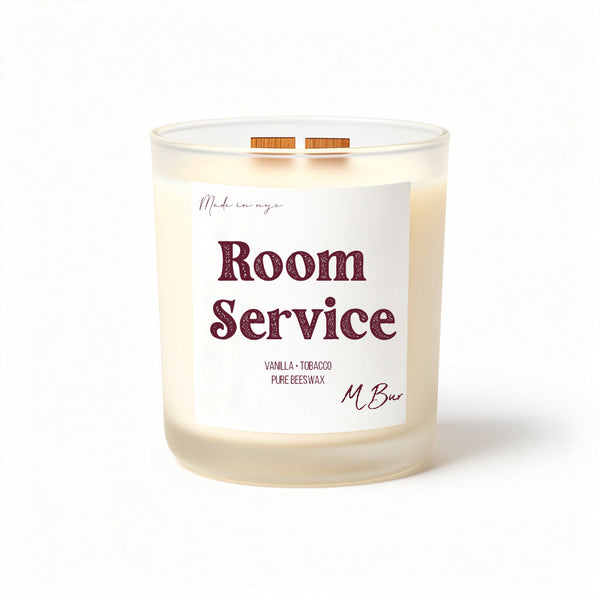
"I absolutely love these candles! I instantly notice the difference in the air quality, in comparison to the Bath & Body scented candles. I love Bath & Body's candles but I acknowledge that it caused a slight headache and other minor respiratory discomfort. Awesome products. Totally addicted."
Jason H. on the Room Service candle

The Clean Candle Checklist
Finding hypoallergenic candles requires reading the fine print. You need a strict checklist to ensure the product will not trigger your symptoms.
- Look for single ingredient wax. Blends almost always hide paraffin.
- Verify the fragrance is explicitly phthalate free.
- Check the wick material for wood or uncoated cotton.
- Avoid any candle with artificial colorants.
MBur candles meet every single one of these requirements. We use pure beeswax with zero paraffin fillers. Our wooden wicks crackle softly and burn evenly without releasing metal particulates. We scent our candles using only nontoxic, phthalate free fragrance oils, and we never use chemical dyes.
If you want a relaxing evening scent that will not leave you coughing, the Wine Down candle is a perfect choice. It features a calming blend of fragrant lavender, invigorating camphor, soothing chamomile, aromatic sage, and refreshing rosemary. The scent is light and soothing, making it ideal for winding down without overwhelming your senses.
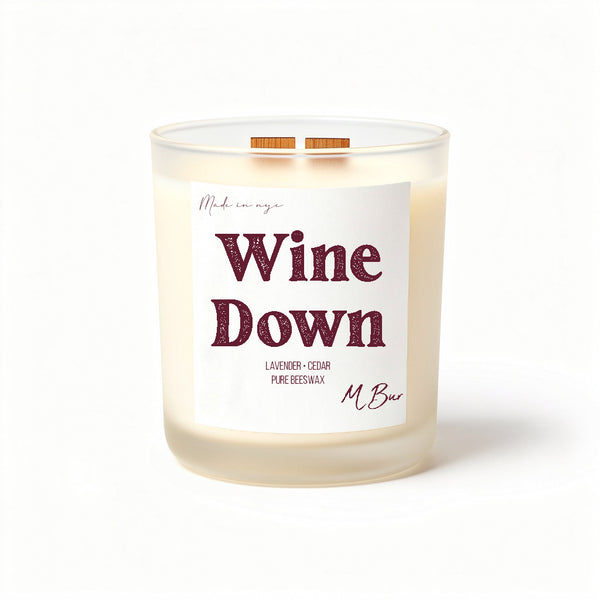
"Absolutely loved the Wine Down candle! The scent is so light and clean, not overpowering at all, which is exactly what I look for. A lot of other candles tend to give me headaches, but this one was a total game changer. I was able to enjoy the calming aroma without any discomfort."
Nicole D. on the Wine Down candle
Practical Tips for Better Air Quality
Even the cleanest candle requires proper usage to maintain good indoor air quality. Always burn your candle in a well ventilated room. Crack a window or keep a door open to allow fresh air to circulate and prevent any combustion byproducts from concentrating in the space.
Trim your wooden wick to about an eighth of an inch before every single burn. A wick that is too long will produce a larger flame, which creates excess smoke and soot. Keeping the wick short ensures a clean, efficient burn.
Limit your burn sessions to three or four hours at a time. Extinguish the flame, let the wax solidify, and trim the wick before lighting it again.
Please remember that while clean burning candles minimize airborne irritants, they do not treat or manage medical conditions. Always follow your doctor's guidance regarding your specific respiratory health and environmental triggers.
Frequently Asked Questions
Can scented candles trigger bronchitis symptoms?
Yes, candles made with paraffin wax and toxic fragrance oils release volatile organic compounds that can inflame sensitive airways and trigger coughing. Switching to nontoxic candles made with pure beeswax and phthalate free fragrances drastically reduces this risk.
Are essential oil candles safer for my lungs?
Essential oils are natural, but highly concentrated oils like cinnamon or eucalyptus can still irritate reactive airways. A high quality nontoxic fragrance formulated specifically for clean burning is often better tolerated by people with respiratory sensitivities. Browse our full beeswax candle collection to find gentle, carefully balanced scents.
Do metal wicks really affect breathing?
Wicks with zinc or tin cores release microscopic metal particles into the air when burned. Inhaling these particles is harmful to everyone and especially dangerous for inflamed bronchial tubes. Always choose wooden wicks or uncoated cotton wicks.
What is the difference between hypoallergenic and fragrance free?
Fragrance free means the product has no added scent at all. Hypoallergenic means the ingredients are specifically chosen to minimize allergic reactions and respiratory irritation. You can enjoy beautifully scented hypoallergenic candles without sacrificing your comfort.
Find Your Clean Burn
Managing bronchitis means being fiercely protective of the air you breathe. You can keep the warmth and ambiance of candlelight by choosing pure beeswax and wooden wicks. Our customers consistently rate our candles five stars for their clean burn and beautiful scent throw. Explore our full beeswax candle collection to find your new favorite respiratory friendly scent.

Related reading

